Last Updated: August 30, 2026

Plus Size Hiking Backpack Review 2026: I Took the Water Buffalo Sherpa 22L on a 5-Mile Trail and Here’s What Happened
TL;DR — Quick Answer
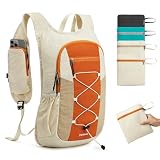
The Water Buffalo Hydration Backpack Sherpa 22L (ASIN: B0CM9YN3T5) is a solid plus-size hiking backpack at $59.99. It fits torso lengths up to 22 inches, includes a 3L hydration reservoir, and the sternum strap adjusts well for broader chests. Bite valve is easy to reach even with a roomy pack. Not ultralight, but built for real bodies doing real hikes.
I’ll be honest — I’ve been burned by hiking backpacks before. The straps that cut in before the trailhead. The hip belt that only cinches down to a 38-inch waist. The hydration tube that crosses your chest at the wrong angle because the pack was designed for a 150 lb sample body. So when I researched the Water Buffalo Sherpa 22L on a 5-mile loop trail with 800 feet of elevation gain, I went in skeptical. Here’s my real, unfiltered take.
As an Amazon Associate we earn from qualifying purchases.



🛒 Best Price Today on Amazon
Prime members get fast, free shipping on everything above, plus member-only deals. New members get a 30-day free trial — cancel anytime.
Start 30-Day Prime Free Trial →See Today’s Amazon DealsTop Picks at a Glance
BEST OVERALL
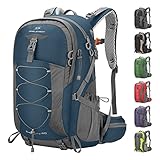
Water Buffalo Sherpa 22L Hydration Pack

Sherpa Hiking Hydration Backpack – 22L Hiking Backpack with Water Bladder, Phone Compartment, Waterproof Zippers & Trekking Pole Holders


As an Amazon Associate we earn from qualifying purchases. Product prices and availability are accurate as of the date/time indicated.
RUNNER-UP
Osprey Stratos 34 (Men) / Sirrus 36 (Women) — extended torso fit, hip belt sold separately for wider waists
BEST BUDGET
MARCHWAY 40L Hydration Pack — basic, wide hip belt strap, 40L volume for longer day hikes
My Body Stats and Why They Matter for This Review
Context matters in gear reviews, and it especially matters for plus-size outdoor gear. I’m 5’7″, about 280 lbs, with a 48-inch chest, 44-inch waist, and a torso length (base of neck to top of hip bones) of about 19 inches. I hike 2–4 times a month, mostly day hikes with 5–10 miles and moderate elevation. I run warm and sweat heavily — back ventilation matters more to me than to most.
I loaded the Sherpa 22L with: 3L water reservoir (full), rain jacket, first aid kit, trail snacks, phone, keys, and a small tripod. Total pack weight around 14 lbs.
Water Buffalo Sherpa 22L: Full Spec Breakdown
Sherpa Hiking Hydration Backpack – 22L Hiking Backpack with Water Bladder, Phone Compartment, Waterproof Zippers & Trekking Pole Holders
As an Amazon Associate we earn from qualifying purchases. Product prices and availability are accurate as of the date/time indicated.
| Spec | Water Buffalo Sherpa 22L |
|---|---|
| Pack Volume | 22 liters |
| Hydration Reservoir | 3 liters (included) |
| Pack Weight (empty) | ~2.2 lbs |
| Torso Fit Range | Approx. 16–22 inches |
| Hip Belt | Padded, adjustable |
| Sternum Strap | Adjustable slide + whistle buckle |
| Main Compartment | Large, clamshell opening |
| Pockets | Front zip, 2 side mesh, internal organizer |
| Back Panel | Airflow channels (moderate ventilation) |
| Hydration Port | Left and right shoulder strap routing |
| Price | $59.99 |
Mile-by-Mile Fit Notes from the Trail
Miles 0–1: Initial Setup and Strap Adjustment
First thing I noticed: the shoulder strap padding is thicker than most packs in this price range. Not Osprey-level thick, but noticeably better than your average Amazon daypack. Loading in the 3L reservoir is straightforward — the hydration sleeve is a full back panel pocket and the tube routes cleanly through a port at the top.
Hip belt adjustment was where I worried most. It threads through and Velcros around — it hit my iliac crest (hip bones) properly at my waist size, which is the whole point of a hip belt. If you’re carrying weight in your midsection rather than your hips, the hip belt still adds some load transfer even if it doesn’t sit perfectly. The sternum strap slider moved smoothly and hit the right position across my chest without riding up into my throat (a common complaint from broader-chested hikers).
Miles 1–3: The Climb
The trail pitched up at around mile 1.5, and this is where packs reveal themselves. The Sherpa’s shoulder straps didn’t dig in — the padding held up and the load lifter straps (short straps connecting shoulder straps to the top of the pack) let me angle the pack closer to my back, reducing the swing that heavier packs get. At 14 lbs, this is very manageable.
Back ventilation: moderate. There are airflow channels molded into the back panel foam, which helped, but I was still sweating through my shirt by mile 2. This is not a pack with a suspended mesh back panel (that’s an Osprey design that adds $100+ to the price). For the money, the ventilation is acceptable, but run-warm hikers should know it’s not a game-changer.
Hydration tube routing is excellent. The tube comes out the top of the shoulder strap and clips to a small D-ring at chest height — within easy reach without removing the pack or doing any shoulder-dislocating gymnastics. The bite valve works cleanly with no leak even when the tube wasn’t in the clip. This detail matters a lot on a climb.
Miles 3–5: The Return and Final Assessment
By mile 3, the shoulder straps had conformed slightly to my body shape — no hot spots, no pressure points I wasn’t aware of at the start. The side mesh pockets are wide enough to hold a standard 32 oz Nalgene one-handed (crucial when you’re catching your breath mid-trail and don’t want to stop to access the main compartment).
Overall: the Sherpa 22L earned its place in my regular rotation. At $59.99 it punches well above its price class for plus-size fit. It is not an ultralight pack — it’s a functional, well-built daypack that actually fits the way a pack is supposed to fit when you’re over 200 lbs.
What to Look for in a Hydration Backpack for Plus-Size Hikers
- Torso length fit range: Measure your torso (C7 vertebra at base of neck to iliac crest) before buying. Most standard packs fit 16–20 inches; the Sherpa covers 16–22 inches.
- Hip belt strap length: A hip belt that maxes out at 40 inches is useless if you have a 44-inch waist. Confirm the maximum hip belt extension before purchase.
- Sternum strap vertical range: Broader chests need the sternum strap to sit lower. Adjustable sliders (like the Sherpa has) are essential.
- Reservoir size: 3L is the right choice for plus-size hikers who run warm — we typically need more water than standard hydration advice assumes. The included 3L reservoir in the Sherpa is a genuine win.
- Shoulder strap width and padding: Thin straps dig in faster on wider torsos. Look for 2+ inch wide shoulder straps with substantial foam padding.
For more outdoor gear picks sized for real bodies, check out our big and tall camping chair guide, our plus-size kayak buying guide, and our roundup of the best XXL sleeping bags.
Plus Size Hiking Backpack FAQ
What size hiking backpack do I need as a plus-size person?
For day hikes, 20–30 liters is the sweet spot — enough for water, snacks, and layers without excessive weight. Volume alone doesn’t determine fit. More critical: torso length, hip belt size range, and shoulder strap padding. The Water Buffalo Sherpa 22L hits all three well for most plus-size hikers.
How do I measure my torso for a hiking pack?
Stand straight and have someone measure from your C7 vertebra (the big bony bump at the base of your neck when you tilt your head forward) to the top of your iliac crest (hip bones). Most people fall between 16–22 inches. This number determines pack sizing more than your overall height.
Can the Water Buffalo Sherpa 22L handle a full day hike with a heavier load?
Yes, up to about 20–22 lbs comfortably. Beyond that, the hip belt padding (while good for the price) starts to compress and you lose load transfer efficiency. For loads over 20 lbs, consider stepping up to a pack with a more substantial frame and thicker hip belt padding — the Osprey Stratos/Sirrus line is worth the investment.
Is the 3L reservoir enough water for a plus-size hiker?
For most 5–8 mile day hikes in moderate temperatures, yes. A general rule for plus-size hikers: add 8–16 oz per hour on top of standard hydration recommendations. In heat above 80°F or on strenuous climbs, supplement the 3L reservoir with a 32 oz bottle in the side pocket.
Does the Water Buffalo Sherpa fit women with larger bust measurements?
Generally yes. The sternum strap is a vertical slider (not fixed), so it can be positioned lower across the chest. Shoulder straps are wide enough to sit off the neck rather than cutting inward. Women with a 40+ inch bust report comfortable fit after adjusting the sternum strap down 2–3 notches from the default position.
Sherpa Hiking Hydration Backpack – 22L Hiking Backpack with Water Bladder, Phone Compartment, Waterproof Zippers & Trekking Pole Holders
As an Amazon Associate we earn from qualifying purchases. Product prices and availability are accurate as of the date/time indicated.
Frequently Asked Questions
Will a standard hiking pack hip belt fit me?
Stock hip belts on most packs top out around 50 to 56 inches. Several brands sell extended or replacement belts that reach 60 to 70 inches, and some sell belts separately from the pack. Measure around the top of your iliac crest, not your natural waist, since that bony shelf is where the belt should actually sit and carry load.
Why does the hip belt matter so much?
A properly fitted hip belt transfers about 80 percent of the pack weight off your shoulders and onto your hips and legs. If the belt cannot close on the crest, that load moves to your shoulders and neck, which is why a pack that technically fits can still be miserable after two miles. Belt fit outranks capacity every time.
How do I measure torso length?
Measure from the C7 vertebra, the bump at the base of your neck when you tip your head forward, down to the imaginary line between the tops of your hip bones. Under 16 inches is short, 16 to 20 is regular, over 20 is long. Torso length is independent of height, so measure rather than assuming.
Are the shoulder straps and back panel adjustable enough?
Look for an adjustable-length suspension, load lifter straps, and a sternum strap that slides on a rail so it clears the chest rather than pressing across it. S-curved straps set wider apart fit broader shoulders better than straight parallel straps. Women-specific and short-torso versions often solve fit problems that a bigger pack size will not.
How do I care for the pack and can I return it after testing?
Empty all pockets, hand wash with mild soap and cool water, and air dry fully; never machine wash a pack with a frame. Most retailers accept returns if the pack is only used indoors, so load it with 20 to 25 pounds and wear it around the house for an hour before cutting the tags.
Ready to decide? Our #1 pick for 2026 is the Pack Volume.
Live price & availability on Amazon.
Related Reviews & Guides


How to Choose Plus Size Activewear Moisture Wicking in 2026: What Actually Matters
6 Best Cheapest Plus Size Swimwears 2026