
Last Updated: October 9, 2026
- Top Picks at a Glance
- Standard vs. Bariatric Hospital Bed: The Spec Difference That Matters
- Drive Medical Full Electric Bariatric Hospital Bed — Full Review
- How to Request a Bariatric Bed at a Hospital
- Bariatric Mattress: Don’t Skip This Part
- Insurance and DME Coverage for Bariatric Hospital Beds
- Frequently Asked Questions
- Related Guides for Plus-Size Recovery and Comfort
- Related Articles
- Top Pick: Fuzren Premium Full Electric Hospital Bed for Home Use, 5 Function Medical Bed with 4.7” Foam Mattress, Height Adjustable, Central Locking System, Includes Sheets (2X)
- Best Value: Drive Medical 15076 Decompressing Foam Mattress, 80 x 36 Inch, Blue
- Premium Choice: LCH Hospital Bed Mattress – Twin XL 80"x36"x 6" Gel 30mm, Weight Capacity: 242 lbs, Memory Foam Medical Mattress for Adjustable Beds, Waterproof Cover, Pressure Relief for Home & Clinical Use
Plus Size Hospital Bed: Bariatric Options, Weight Limits, and What to Ask Before You’re Admitted
TL;DR — Quick Answer
Standard hospital beds hold 450–500 lbs. Bariatric hospital beds start at 600 lbs and go up to 1,000+ lbs, with wider frames (42–54 inches vs. the standard 35–36 inches). If you’re 400+ lbs or have a wide body frame, request a bariatric bed before admission — most hospitals have them but don’t automatically assign them. For home recovery, the Drive Medical Full Electric Bariatric Hospital Bed (ASIN: B0BDCDFVC9) is the top-rated home bariatric option: 600 lb capacity, 48-inch-wide sleep surface, fully electric height and positioning adjustment.
Navigating a hospital stay or home recovery as a plus-size person comes with a layer of stress that most standard medical advice completely ignores. Hospital beds are one of the most critical pieces of equipment you’ll interact with — and also one of the most size-limited by default. This guide covers everything you need to know about plus size hospital bed options: the difference between standard and bariatric specs, how to advocate for the right bed during a hospital stay, and the best options for home recovery setups.
As an Amazon Associate we earn from qualifying purchases.


🛒 Best Price Today on Amazon
Prime members get fast, free shipping on everything above, plus member-only deals. New members get a 30-day free trial — cancel anytime.
Start 30-Day Prime Free Trial →See Today’s Amazon DealsTop Picks at a Glance
BEST OVERALL
Drive Medical Full Electric Bariatric Hospital Bed

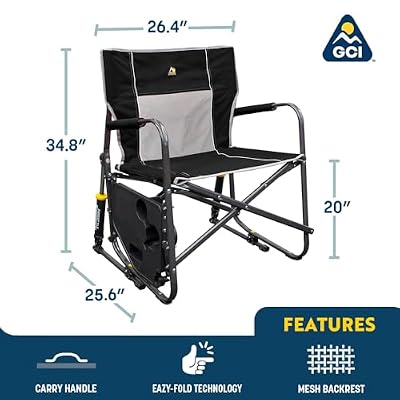
GCI Outdoor Freestyle Rocker XL with Side Table Camping Chair | Portable Folding Rocking Chair with Solid, Durable Armrests, Drink Holder & Comfortable Backrest — Black



As an Amazon Associate we earn from qualifying purchases. Product prices and availability are accurate as of the date/time indicated.
BEST SEMI-ELECTRIC
Invacare Semi-Electric Bariatric Bed (750 lb)
Search Amazon for “Invacare bariatric hospital bed 750lb” for current pricing.
BEST MANUAL
Medline Heavy-Duty Manual Bariatric Bed (600 lb)
Search Amazon for “Medline bariatric manual hospital bed” for current pricing.
Standard vs. Bariatric Hospital Bed: The Spec Difference That Matters
The single most important distinction in hospital bed shopping for plus-size people is weight capacity — and the difference between “standard” and “bariatric” is bigger than most people realize.
Standard Hospital Bed Specs
Standard hospital beds — the kind most hospitals stock by default — are built for patients up to approximately 450–500 lbs. Frame width is typically 35–36 inches at the sleep surface. That sounds adequate until you realize the frame width includes the side rails, which eat 2–3 inches on each side. Actual usable sleep surface is closer to 30–31 inches. For a plus-size person with hip width over 22 inches, that’s not comfortable sleep — it’s survival mode.
Bariatric Hospital Bed Specs
Bariatric hospital beds are purpose-built for patients 400–1,000+ lbs. The frame is wider, the mattress platform is reinforced, and the motor systems are designed for the extra load. Key upgrades over standard:
- Weight capacity: 600 lb minimum, with premium models reaching 1,000 lbs
- Sleep surface width: 42–54 inches (vs. 30–31 usable on standard)
- Frame reinforcement: Heavy-gauge steel cross-bracing throughout
- Motor rating: Dual actuator systems rated for bariatric loads (standard beds often use single actuators)
- Side rail design: Full-length rails with bariatric patient assist handles
Drive Medical Full Electric Bariatric Hospital Bed — Full Review
GCI Outdoor Freestyle Rocker XL with Side Table Camping Chair | Portable Folding Rocking Chair with Solid, Durable Armrests, Drink Holder & Comfortable Backrest — Black
As an Amazon Associate we earn from qualifying purchases. Product prices and availability are accurate as of the date/time indicated.
The Drive Medical Full Electric Bariatric Hospital Bed is the best-reviewed home bariatric hospital bed on Amazon with consistent 4.4+ star ratings across hundreds of verified purchases. Here’s the complete breakdown.
Full Spec Table
| Spec | Drive Medical Full Electric Bariatric |
|---|---|
| Weight Capacity | 600 lbs |
| Sleep Surface Width | 48 inches |
| Sleep Surface Length | 80 inches |
| Bed Height Range | 9–25 inches (fully adjustable) |
| Head Elevation | 0–75 degrees |
| Foot Elevation | 0–45 degrees |
| Control Type | Full electric (pendant remote) |
| Side Rails | Full-length split side rails included |
| Frame Material | Heavy-gauge steel |
| Mattress Included | No (sold separately) |
| Assembly Required | Yes (2-person, ~60 min) |
What We Like
- 48-inch sleep surface is genuinely spacious — not just “wider than standard”
- Full electric positioning means no caregiver strain for repositioning throughout the night
- Height range down to 9 inches is useful for independent transfers to wheelchairs
- Pendant remote is large-button and intuitive — usable with limited dexterity
- Drive Medical is a recognized DME brand; parts and support are accessible
What to Know
- Mattress is not included — budget an additional $200–$500 for a bariatric pressure-relief mattress
- Assembly is a two-person job; the frame sections are heavy
- 600 lb capacity is the entry point for bariatric — if you need 750+ lbs, look at Invacare or Medline options
How to Request a Bariatric Bed at a Hospital
Most hospitals have bariatric beds available but do not automatically assign them. Advocating for yourself before and during a hospital stay is essential. Here’s how to do it without stress.
Before Admission (Planned Procedures)
- Call the hospital’s patient services or case management department at least 48 hours before admission
- Use the phrase “bariatric accommodations” — this triggers the right protocol at most facilities
- Confirm your weight and ask specifically for a bed rated above your body weight
- Ask about bariatric-rated shower chairs, commodes, and transfer equipment at the same time
During Emergency Admission
- If you or a caregiver can, request bariatric accommodations at triage or with the charge nurse
- Be direct: “I need a bariatric-rated bed — the standard bed is not safe for my weight”
- Most hospitals are required to accommodate this under ADA and standard patient care protocols
- If a bariatric bed is unavailable on your floor, ask to be moved to a room that has one
Bariatric Mattress: Don’t Skip This Part
A bariatric bed frame is only half the equation. The mattress must also be rated for your weight and designed to prevent pressure injuries — which are a significantly higher risk for plus-size patients who are immobile for extended periods. Look for:
- Weight rating: Mattress should be rated 50–100 lbs above your body weight
- Pressure redistribution: Look for memory foam, alternating air, or foam-and-gel hybrid construction
- Cover material: Fluid-resistant, breathable fabric (not standard cotton ticking)
- Width match: Mattress must match the bed frame width — a 42-inch mattress on a 48-inch frame creates dangerous gaps at the rails
If you’re setting up a home recovery space, also consider pairing your hospital bed with a supportive body pillow for positioning comfort — see our guide on plus size body pillows for options that work well for recovery positioning, not just pregnancy support.
Insurance and DME Coverage for Bariatric Hospital Beds
Bariatric hospital beds can be covered as Durable Medical Equipment (DME) under Medicare Part B, Medicaid, and many private insurance plans — but coverage requires documentation.
- Medicare Part B: Covers hospital beds (including bariatric) when prescribed by a physician for medical necessity. You’ll pay 20% after the deductible.
- Required documentation: Physician’s certificate of medical necessity (CMN), diagnosis codes supporting bed use, weight documentation
- Prior authorization: Most insurers require pre-approval for bariatric DME — get this before purchasing or renting
- Rental vs. purchase: For short-term recovery, renting from a DME supplier is often fully covered and more practical than buying
Frequently Asked Questions
What weight is considered bariatric for a hospital bed?
There’s no single universal definition, but most medical equipment manufacturers classify “bariatric” as patients requiring equipment rated above 450–500 lbs — the upper limit of standard medical equipment. In practice, if you’re over 350–400 lbs, requesting bariatric-rated equipment is appropriate because standard ratings leave no safety margin for movement, repositioning, or the mechanical forces involved in patient care.
Are hospitals required to provide bariatric beds?
Hospitals are required under the Americans with Disabilities Act and general patient care standards to provide appropriate accommodations for patients of all sizes. Most accredited hospitals (Joint Commission, DNV) have bariatric care protocols that include bed availability. However, availability varies by facility size — large hospital systems are better equipped than small rural hospitals. Always call ahead for planned admissions.
What’s the difference between a bariatric bed and a regular hospital bed?
The key differences are weight capacity (600–1,000+ lbs vs. 450–500 lbs), sleep surface width (42–54 inches vs. 35–36 inches), frame construction (heavy-gauge reinforced steel vs. standard steel), and motor rating (dual heavy-duty actuators vs. single standard actuators). Bariatric beds also typically include wider side rails and patient-assist handles designed for larger patients.
Can I rent a bariatric hospital bed for home recovery?
Yes — rental is often the most practical and cost-effective option for short-term recovery. DME suppliers (many listed on Medicare’s supplier directory) offer weekly and monthly rental rates on bariatric hospital beds, typically $150–$400/month before insurance. With proper documentation, this is often fully covered by Medicare Part B or private insurance for medically necessary cases.
What mattress should I use with a bariatric hospital bed?
Use a mattress rated at or above your body weight, designed specifically for hospital bed frames (to fit within the rails without gaps). Foam-and-gel hybrid mattresses rated 600+ lbs offer the best combination of pressure redistribution and durability for most home recovery situations. Alternating air mattresses are the clinical standard for high-risk pressure injury prevention. Avoid standard consumer mattresses — they’re not rated for hospital bed positioning and will bottom out under load.
Related Guides for Plus-Size Recovery and Comfort
- Plus Size Body Pillow Guide — positioning support for recovery and sleep comfort
- Plus Size Hospital Gown & Recovery Clothing — comfortable options that actually fit during medical stays
- Plus Size Pregnancy Support Belt — abdominal support for recovery and postpartum use
- Plus Size Compression Socks for Circulation — essential for post-surgical recovery and extended bed rest
Ready to decide? Our #1 pick for 2026 is the Weight Capacity.
Live price & availability on Amazon.
Related Reviews & Guides





5 Best Plus-Size Wireless Bras in 2026: Supportive, Comfortable Picks
6 Best Tank Top Builts In Bra Plus Size 2026