
Last Updated: November 4, 2026
A belt that fits well disappears into your outfit, and one that does not will be tugged, rolled and readjusted all day. If you are shopping for Coach belts, the most important step happens before you look at buckles or leather: measuring yourself and reading the size chart on the exact listing. This guide is written with a plus-size friendly lens, so it spends real time on waist and hip measurements, how belts sit on different frames, and what to do when sizing is unclear.
It also covers the other half of the search results. Many people typing “coach belt bag” are looking for a small waist-worn bag, not a belt for trousers, and the two have different fit rules. We cover reversible belts, buckle shapes, a Coach wallet and belt set as a gift, and the belt bag styles that come up often, such as the Warren, Court and Charter names.
Quick Answer
- Measure where you actually wear the belt (natural waist, high hip or under the belly), then compare against the listing’s size chart, not your pants size.
- Reversible belts give two looks in one, usually black on one side and a brown or signature pattern on the other, but they rely on a buckle that rotates, so check how it works.
- Wider buckles and straps look bolder; narrower ones sit more discreetly under tucked tops.
- For a belt bag, the strap length and extender are what decide comfort, so look for those details before anything else.
As an Amazon Associate we earn from qualifying purchases at no extra cost to you.
How to Measure for a Belt
Where the belt will sit
Decide first. A belt over high-waisted jeans sits at a different spot from one over a dress at the natural waist or one that rests lower on the hips. Measure around your body at that exact spot with a soft tape, keeping it snug but not tight. Write down the number, and then check how the brand’s chart maps measurements to belt sizes.
Why belt size is not pants size
Belt sizing is often labeled in inches or as small, medium and large, and the number on the tag typically refers to the belt, not to what you wear. Many buyers find they need a belt a size up from their waist measurement, because the belt must wrap through loops and overlap at the buckle. The usual approach is to look for the hole you would use, ideally the middle one, so you have room to adjust either way as your clothes or your body change.
Belts that need to span more
If your measurement falls near the top of the chart, look for listings that clearly state extended sizes. Do not assume a long belt is simply a stretched version of a regular one. Check the strap length from buckle to the farthest hole, and read the notes on the listing. If a size you need is not offered, it is better to wait than to guess.
Reversible Belts and Buckle Styles
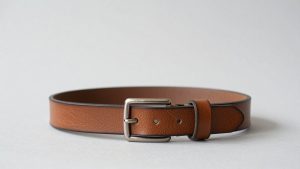
A reversible belt typically has a buckle that rotates, so you can flip the strap and show the other side. It is a practical choice for travel, since two outfits can share one accessory. The tradeoff is that the mechanism can feel slightly bulkier than a plain buckle, and the belt can twist if the strap is stiff. Test the rotation, if you can, by flipping it a few times when it arrives.
| Style | Look | Best for | Watch-outs |
|---|---|---|---|
| Reversible with rotating buckle | Two colors or finishes in one | Travel, mixing neutrals | Mechanism adds bulk; confirm size range |
| Classic single-prong buckle | Traditional, simple | Jeans, trousers | Holes are fixed in place, so confirm fit |
| Plate or signature buckle | Statement hardware | Dresses, high-waisted skirts | Can dig in when sitting if it is large |
| Slim dress belt | Fine and polished | Cinching a cardigan or dress | Narrow straps may roll on a softer waist |
How a Belt Sits on Different Frames
Placement changes the look more than most people expect. On a fuller midsection, a belt at the narrowest part of your torso usually feels most comfortable, and a mid-width strap tends to lie flatter than a very thin one that can roll or a very wide one that can fold at the sides. Stiff leather can bend when you sit; a belt with a bit of flexibility is easier on the stomach and hips. If you want to belt over a dress, try the strap at your natural waist and then slide it a little up or down to see where it feels secure.
Weight is rarely an issue for belts, but hardware can be. Large buckles may press against the abdomen when you sit, so think about how much of your day is spent seated.
Belt Bags: A Different Fit Question
The search for a Coach belt bag for women or men usually points to a small bag worn around the waist or across the chest. The names that show up often, including Warren, Court, Charter, League and Bethany, may refer to different shapes and generations, and styles change. Rather than relying on a name, check the size and strap details on the listing.
- Strap length: look at the maximum length. Worn at the waist, it needs to wrap fully with a little spare; worn across the chest, it needs even more.
- Extender or adjustable strap: an adjustable strap is the safest option when you are between sizes or plan to wear it over a thick coat.
- Capacity: a mini belt bag holds essentials only. If you carry a larger phone, check the interior measurements.
- Material: a leather belt bag looks polished, while coated canvas is often lighter and easier to wipe down.
If you see an outlet belt bag, treat it as a separate product from the main collection, since materials and details may differ. Compare names and descriptions, and shop only with sellers you trust.
How to Choose
- Size relative to your measurement: choose the size where your usual hole falls near the middle of the strap.
- Strap drop and adjustability: for belt bags, confirm the maximum length and whether it can be extended.
- Closure type: a zip closure is more secure than a flap or magnetic snap on a bag you wear at the back of your waist.
- Interior pockets: a small slip pocket for cards is handy on a belt bag.
- Material and care: leather can be wiped with a soft cloth; avoid soaking it.
- Hardware: choose buckles that sit flat against the body if you are seated for long periods.
- Fit note: always check the size chart for the specific listing. A medium in one style can run differently from a medium in another.
Wallet and Belt Sets as Gifts
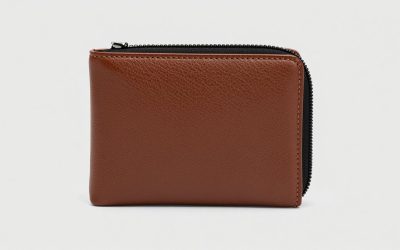
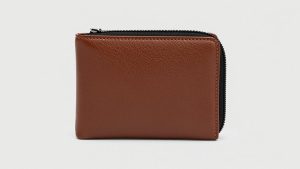
A Coach wallet and belt set is a classic gift pairing, but it raises the sizing risk: if you do not know the recipient’s measurements, the belt is the part most likely to be wrong. If a set is offered, check whether the belt comes in a range of sizes, and see if returns or exchanges are accepted. A gift receipt helps either way.
Who Should Skip It
- You cannot confirm the size. If the listing does not give a size chart or measurements, skip it. A guess often ends up in the return pile.
- You need an adjustable fit that changes by the day. Belts with fixed holes are less forgiving than elastic or stretch styles.
- You want a hands-free bag with lots of capacity. A belt bag holds little, and a crossbody or backpack will carry more comfortably.
Frequently Asked Questions
How do I choose a Coach belt size?
Measure where you will wear the belt and compare with the listing’s size chart. Many people size up from their waist measurement because the belt overlaps at the buckle, but the chart is the final word.
Are reversible Coach belts worth it?
They are useful if you want one belt to work with both black and brown outfits. Check how the buckle rotates and confirm the size range before ordering.
What is the difference between a belt and a belt bag?
A belt holds up clothing or defines a waist, while a belt bag is a small bag worn on the waist or across the body. Their sizing rules are different, so read the listing for strap length.
Can I return a belt if it does not fit?
That depends on the seller. Check the return policy before buying, and keep the packaging and tags in place until you are sure of the fit.
Related Reviews & Guides

Best Friend Necklaces for Adults in 2026: Style Guide

Coach Coin Purses, Key Rings and Key Pouches: Tiny Carry Options