Last Updated: September 7, 2026

TL;DR — Sizing Notes: Plus-size baby carriers and wraps typically accommodate waist sizes 40–70+ inches. Ring slings and stretchy wraps are the most adjustable — one size fits most. Structured carriers (SSCs) often have a “plus” extension panel for waistbands; check that the shoulder straps cross or buckle wide enough for broader shoulders. Always verify the carrier’s weight limit (usually 25–45 lbs) and baby’s age range before purchasing.
Best Plus Size Baby Carrier Wrap: Babywearing for Every Body
Babywearing is one of the most connected, hands-free ways to bond with your newborn — and finding the right plus size baby carrier or wrap makes it accessible and comfortable for every body. Standard carriers are often designed with a narrow waist range and limited shoulder adjustment, leaving plus-size parents with straps that dig in, a waistband that does not close, or a carrier that shifts rather than supports. The good news is that inclusive babywearing options have grown significantly, with wraps, ring slings, and structured carriers all offering genuine plus-size fits.
As an Amazon Associate we earn from qualifying purchases at no extra cost to you.


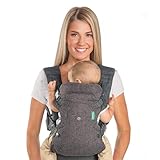

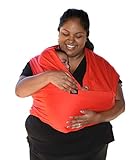

Types of Plus-Size Baby Carriers
Understanding the different carrier types helps you match the right style to your body, your baby’s age, and your daily routine:
- Stretchy wraps: Long lengths of fabric (typically 18–22 feet) that you tie around your body. Stretchy, forgiving, and inherently plus-size friendly because the fabric conforms to your shape rather than relying on buckles or rings. Best for newborns up to about 15–20 lbs.
- Woven wraps: Non-stretch fabric that offers firmer support, suitable from newborn through toddler. More of a learning curve to tie but highly supportive for larger bodies because the weight distributes evenly across shoulders and hips.
- Ring slings: A length of fabric threaded through two rings, worn over one shoulder. Adjustable and quick to put on, ideal for short carries and newborns. Look for woven ring slings with a wide shoulder piece for plus-size comfort.
- Soft structured carriers (SSCs): Buckle-based carriers with padded waistband and shoulder straps. Many now include extender panels for waistbands up to 60–70 inches. The most supportive option for longer carries and heavier babies.
- Meh dai / Onbuhimo: Hybrid designs that blend the flexibility of a wrap with some structure. Generally more adjustable than SSCs and work well for plus-size parents who find standard SSC shoulder straps too narrow.
Top Plus-Size Baby Carrier Picks

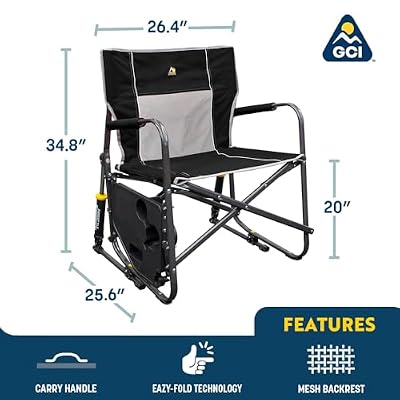
GCI Outdoor Freestyle Rocker XL with Side Table Camping Chair | Portable Folding Rocking Chair with Solid, Durable Armrests, Drink Holder & Comfortable Backrest — Black



As an Amazon Associate we earn from qualifying purchases. Product prices and availability are accurate as of the date/time indicated.

Sherpa Hiking Hydration Backpack – 22L Hiking Backpack with Water Bladder, Phone Compartment, Waterproof Zippers & Trekking Pole Holders


As an Amazon Associate we earn from qualifying purchases. Product prices and availability are accurate as of the date/time indicated.

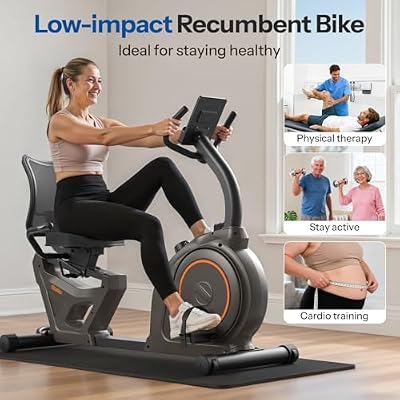
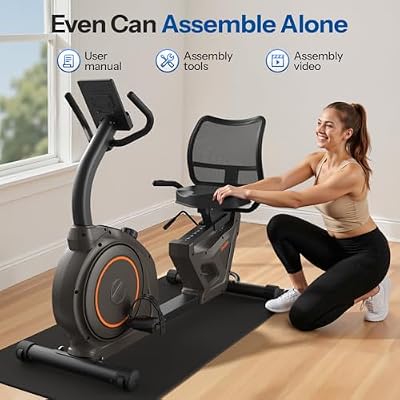
Niceday Recumbent Exercise Bike for Home Stationary Bike with APP Training


As an Amazon Associate we earn from qualifying purchases. Product prices and availability are accurate as of the date/time indicated.
Plus-Size Carrier Sizing at a Glance
| Carrier Type | Waist Range | Best For | Learning Curve |
|---|---|---|---|
| Stretchy Wrap | One size / up to 70+ in | Newborn – ~15 lbs | Low |
| Ring Sling | One size adjustable | Newborn – toddler | Low–Medium |
| SSC + Extender | 28–60+ in (with panel) | Newborn – toddler | Low |
| Woven Wrap | One size (varies by length) | Newborn – preschool | High |
| Meh Dai | Ties adjust to any size | Newborn – toddler | Medium |
Safety First: T.I.C.K.S. Rules for Babywearing
Regardless of carrier type or parent size, safe babywearing follows the T.I.C.K.S. guidelines:
- T — Tight: The carrier should be snug enough that baby cannot slump or shift.
- I — In view at all times: You should always be able to see your baby’s face without moving fabric.
- C — Close enough to kiss: Baby’s head should be close enough that you can easily tilt your chin down to kiss them.
- K — Keep chin off chest: Baby’s chin should not be pressed to their chest, which can restrict airway.
- S — Supported back: Baby’s back should be supported in a natural M-position (knees higher than bum).
For plus-size parents, the “tight” element is especially important. A carrier that rides low on the belly rather than sitting at the waist will not support baby correctly and will cause back strain for the parent. Proper positioning keeps the load centered and distributes weight evenly.
Tips for Comfortable Babywearing at Any Size
Babywearing when you have a fuller belly, larger bust, or wider shoulders requires a few adjustments that standard instructions do not always cover:
- For stretchy wraps, try a “pocket wrap cross carry” (PWCC) with the waist passes positioned below your belly rather than across it.
- For SSCs, position the waistband so it sits at or just above the hip bone — on the narrowest part of your torso rather than across the belly.
- For ring slings, use a gathered shoulder (not a fanned one) for better weight distribution on a larger frame.
- Consider joining a local babywearing group or consulting a certified babywearing educator — they can demonstrate in person for your specific body and baby.
If you are postpartum and managing recovery, read our related guide on plus-size waist trainers for postpartum support before adding a carrier over compressed garments. Also see our plus-size nursing bra guide for comfortable underneath layers that work with carrier straps.
Related Guides
- Beautiful Plus Size Maternity Dresses for Every Trimester
- Quick Picks: Best Plus Size Bodycon Dresses for Evening
- Best Plus Size Maxi Dresses: Effortless Style Head to Toe
- Best Plus Size Skirts to Flatter Every Curve and Occasion
Frequently Asked Questions
What is the best baby carrier for plus-size moms with a large belly?
Stretchy wraps are often the most comfortable choice because the fabric positions naturally around your belly rather than fighting against it. Alternatively, an SSC worn with the waistband below the belly (using a hip carry position) works well once baby has adequate head control, typically around 4–6 months.
Can I use a regular baby carrier if I am a plus size?
Some standard carriers work up to certain waist measurements — check the manufacturer’s stated range before purchasing. Many popular brands top out at 44–46 inch waists without an extender, which excludes a significant portion of the plus-size range. Always verify the specific measurements rather than relying on the general size label.
How do I know if my baby is positioned correctly in a plus-size carrier?
Apply the T.I.C.K.S. guidelines: baby should be tight, in view, close enough to kiss, chin off chest, and back supported in the M-position. If baby’s legs are dangling straight down rather than in a froggy M-shape, the carrier is too loose or positioned too low. Adjust and re-check before walking away from a mirror.
Is babywearing safe for postpartum plus-size moms?
Yes, when done correctly and with appropriate medical clearance after a difficult birth or C-section. Babywearing can actually support postpartum recovery by keeping you active and close to baby, which supports breastfeeding. Avoid carriers that press directly on a C-section incision — position the waistband above or below the scar, or choose a ring sling which does not require a waistband at all.
What wrap size do I need as a plus-size parent?
Woven wrap sizes are measured in meters (size 2 through size 8 or longer). Plus-size parents typically need a longer base size than the standard recommendation. A commonly cited guide is to add one full size for every clothing size above a standard 14/16. Many plus-size babywearing communities recommend starting with a size 6 or 7 as a base for most plus-size bodies, then adjusting based on your specific carries and preferences.
Ready to decide? Our #1 pick for 2026 is the Stretchy Wrap.
Live price & availability on Amazon.
Related Reviews & Guides

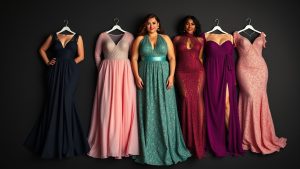
Stunning Plus Size Evening Gowns for a Glamorous Night Out
11 Best Plus Size Wedding Guest Dresses: Chic & Occasion-Ready