
Last Updated: September 7, 2026
- Why Plus-Size Non-Slip Hospital Socks Matter
- What to Look For in Plus-Size Non-Slip Socks
- Top Plus-Size Non-Slip Hospital Sock Pick
- How to Choose the Right Size
- Caring for Your Non-Slip Socks
- When to Pack Multiple Pairs
- Getting the Right Fit in Plus-Size Hospital Socks
- Comfort and Safety Features That Make a Difference
- Related Guides
- Frequently Asked Questions
- Related Articles
- Top Pick: AMERICAN HOSPITAL SUPPLY Non-Slip Hospital Socks, Anti-Skid, Anti-Slip Gripper Socks for Medical or Home Use, Gray, XXXX-Large, 6 Pairs
- Best Value: AMERICAN HOSPITAL SUPPLY Premium Anti-Slip Socks | Black Grip Socks | XXXX-Large| Pack of 6 Pairs
- Premium Choice: AMERICAN HOSPITAL SUPPLY Premium Anti-Slip Socks | Gray Grip Socks | XXX-Large | Pack of 6
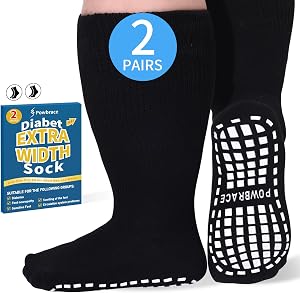
TL;DR — Sizing Notes: Most plus-size hospital socks fit calf circumferences up to 18–22 inches. Look for socks labeled XL/XXL or “bariatric” for the best fit. Wide-calf and diabetic-friendly options provide extra stretch without cutting off circulation. Grip treads should cover both sole and heel for maximum safety on slick floors.
Best Plus Size Hospital Socks Non-Slip: Stay Safe and Comfortable
Whether you are preparing for a hospital stay, recovering at home, or simply want the security of non-slip grip on hard floors, finding the right plus size hospital socks non-slip style makes a real difference. Standard one-size socks dig in, roll down, or cut off circulation in fuller calves and wide feet — none of which you need when comfort and safety are the priority. This guide covers everything you need to choose the perfect pair, with product picks, sizing tips, and answers to the most common questions.
As an Amazon Associate we earn from qualifying purchases at no extra cost to you.




🛒 Best Price Today on Amazon
Prime members get fast, free shipping on everything above, plus member-only deals. New members get a 30-day free trial — cancel anytime.
Start 30-Day Prime Free Trial →See Today’s Amazon DealsWhy Plus-Size Non-Slip Hospital Socks Matter
Non-slip socks are a staple in hospitals and rehabilitation centers because smooth floors and socked feet are a dangerous combination. For plus-size patients, the challenge doubles: ill-fitting socks bunch, slide, or restrict blood flow, which increases fall risk rather than reducing it. A properly sized pair stays in place, maintains circulation, and provides the grip needed for getting up from bed or walking to the bathroom safely.
Beyond hospital stays, these socks shine in physical therapy, post-surgery recovery at home, yoga, and any setting with tile or hardwood floors. Many plus-size shoppers use them as everyday house socks precisely because of the added security they provide. If you are also managing swelling from pregnancy or postpartum recovery, check out our guide to plus-size postpartum recovery essentials for more comfort picks.
What to Look For in Plus-Size Non-Slip Socks
Before you buy, keep these features in mind:
- Extended sizing: Look for XL, XXL, or “bariatric” designations. These accommodate wider feet and larger calf circumferences (typically 16–22 inches).
- Non-binding cuff: A loose, non-constricting cuff prevents the telltale sock-ring indent and supports healthy circulation.
- Full-coverage grip: Silicone or rubber treads should cover the entire sole and heel, not just a strip across the ball of the foot.
- Moisture-wicking fabric: Cotton-blend or bamboo fabrics reduce sweat buildup, lowering blister risk during extended wear.
- Seamless toe construction: Especially important if you have diabetes or peripheral neuropathy, where pressure points can cause complications.
Top Plus-Size Non-Slip Hospital Sock Pick

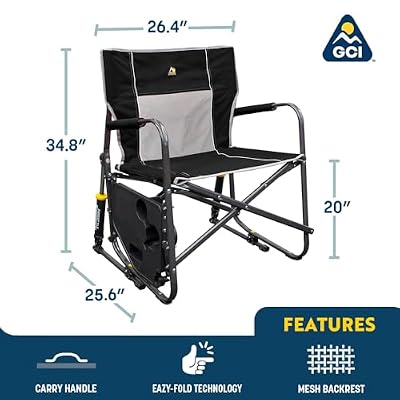
GCI Outdoor Freestyle Rocker XL with Side Table Camping Chair | Portable Folding Rocking Chair with Solid, Durable Armrests, Drink Holder & Comfortable Backrest — Black



As an Amazon Associate we earn from qualifying purchases. Product prices and availability are accurate as of the date/time indicated.

Sherpa Hiking Hydration Backpack – 22L Hiking Backpack with Water Bladder, Phone Compartment, Waterproof Zippers & Trekking Pole Holders


As an Amazon Associate we earn from qualifying purchases. Product prices and availability are accurate as of the date/time indicated.



As an Amazon Associate we earn from qualifying purchases. Product prices and availability are accurate as of the date/time indicated.
How to Choose the Right Size
Sizing varies by brand, so always measure before you order. Use a soft measuring tape to find your shoe size and your calf circumference at the widest point. Most brands publish a size chart that cross-references both measurements. As a general guide:
| Size Label | Shoe Size (US Women) | Calf Circumference |
|---|---|---|
| Large (L) | 8–11 | Up to 16 in |
| X-Large (XL) | 10–13 | Up to 18 in |
| XX-Large (XXL) | 12–15 | Up to 20 in |
| Bariatric / 3XL | 14+ | Up to 22+ in |
Caring for Your Non-Slip Socks
The silicone grip pads on non-slip socks degrade faster than the fabric itself if washed incorrectly. Turn socks inside-out before washing, use cold water on a gentle cycle, and air-dry whenever possible. High heat in the dryer breaks down the grip compound and shortens sock life significantly. Most quality pairs last 30–50 washes when cared for properly.
If you are dealing with swollen feet or ankles, look for compression-grade non-slip socks rated 8–15 mmHg — mild enough for everyday wear but supportive enough to reduce end-of-day swelling. For more foot care tips during recovery, browse our plus-size compression socks guide.
When to Pack Multiple Pairs
For a hospital stay of two or more nights, pack at least three pairs. Hospital laundry schedules are unpredictable, and having fresh socks each day is both hygienic and comfortable. A multi-pack is almost always more cost-effective than buying individual pairs, and most plus-size non-slip socks are sold in packs of 3, 6, or 12.
Pair your socks with a well-fitted hospital gown or comfortable plus-size loungewear for your hospital bag for a complete, comfortable recovery wardrobe.
Getting the Right Fit in Plus-Size Hospital Socks
Fit matters more than most people expect with non-slip hospital socks. A pair that is too tight digs into the leg and can leave marks or restrict circulation, which is the opposite of what you want during a recovery stay or a long day on your feet. Look for socks described as wide-calf, stretch, or plus-size specific, since standard sizing often runs narrow at the ankle and calf. The cuff is the part that does the most work: a generous, non-binding cuff stays up without pinching, while a thin elastic band tends to roll, slide down, or leave a deep crease by the end of the day.
Pay attention to length and toe room as well. A roomy toe box keeps toes from feeling cramped, which is especially helpful if you experience swelling. Many plus-size wearers find that a crew or mid-calf height stays in place better than ankle styles, because there is more fabric to hold the sock up. If you are between sizes, sizing up usually feels more comfortable than sizing down, as long as the grip pattern still sits under the ball and heel of your foot where you actually make contact with the floor.
Comfort and Safety Features That Make a Difference
The whole point of a non-slip sock is traction, so the grip pattern deserves a close look. Treads that cover both the sole and wrap slightly up the toe and heel give the most reliable footing on smooth hospital or home flooring. Double-sided grips, where treads appear on both top and bottom, are a thoughtful touch because they keep you safe even if the sock twists slightly on your foot. A fuller cushioned sole adds comfort if you are walking laps in a hallway or standing for stretches at a time.
Material affects both comfort and hygiene. Breathable cotton-blend or moisture-wicking fabrics help keep feet dry, which reduces the risk of slipping inside the sock and keeps skin comfortable during long wear. Soft, seamless toes prevent rubbing and pressure points, a small detail that becomes very noticeable over a multi-day stay. Finally, choose socks that hold up to repeated hot washing, since hospital socks need frequent laundering. Durable grip material that does not peel or crack after a few washes will serve you far longer than a cheaper pair that loses its traction quickly.
Related Guides
- Best Plus Size Pajama Sets: Soft, Comfortable Sleepwear for Curvy Bodies
- Best Plus Size Ladies Cardigan 2026
- Best Plus Size Shapewear for Smooth, Confident Style
- Best Swimwear For Women Plus Size 2026
- Best Black Jeans For Plus Size 2026
Frequently Asked Questions
What size non-slip hospital socks should I buy for wide feet?
Go up at least one size from your standard shoe size. If you wear a women’s 10 wide, start with XL non-slip socks. Wide-calf and bariatric options also feature a wider toe box that accommodates bunions or swelling without stretching the fabric thin at the grip pads.
Are non-slip hospital socks safe for diabetics?
Yes, provided you choose seamless or flatlock-stitched styles. Seams at the toe can create pressure points that lead to blisters or sores, which are particularly dangerous for people managing diabetes. Look for socks specifically labeled “diabetic-friendly” or “seamless toe” in plus sizes.
Can I wear plus-size non-slip socks outside?
Non-slip socks are designed for indoor use only. The grip pads wear down quickly on pavement or rough outdoor surfaces and can become a trip hazard once the silicone is abraded. Use them on tile, hardwood, laminate, and linoleum floors for the safest experience.
How do I know if my hospital socks are too tight?
A sock that leaves a red ring or indent after removal is too tight and is restricting circulation. Your toes should wiggle freely, the cuff should stay up without digging in, and the foot should not feel squeezed or numb. If any of these symptoms appear, size up or switch to a bariatric style with a non-binding cuff.
What is the difference between hospital socks and regular non-slip socks?
Hospital socks typically feature bi-lateral grip (treads on both the sole and the top of the foot), brighter colors for easy identification by nursing staff, and extra-stretchy fabric to accommodate swelling. Regular non-slip socks may only have grip on the sole and often prioritize aesthetics over clinical function. For recovery use, the hospital-grade style is the safer choice.
Related Reviews & Guides
What Size Plus Size Sports Bra do I Need? Size Guide With Measurements (2026)

Plus Size Pregnancy Support Belt