Last Updated: September 7, 2026
- Top Pick: Brkjape Plus Size Pregnancy Belly Band Extra Large Maternity Support Belt for Belly, Waist & Back Pain Relief Adjustable & Breathable Belly Band for 3XL/4XL Moms (Fits Waist 43"-59", Black)
- Best Value: Momcozy Pregnancy Belly Band, CozySupport 3D Ergonest Maternity Belly Band
- Premium Choice: ChongErfei Pregnancy Belly Band Maternity Belt Back Support Beige

TL;DR: Plus size pregnancy support belts provide abdominal and lower back support for larger pregnant bodies, with extended sizing up to 5X and adjustable panels that accommodate a growing belly. No strict weight cap — fit is the key factor. Best overall: B0CM9YN3T5.
Plus Size Pregnancy Support Belt: Bump Support Built for Bigger Bodies
Pregnancy is physically demanding for every body. For plus-size pregnant women, the challenges are amplified — a growing belly adds new pressure to hips, lower back, and pelvic joints that are already carrying more weight than a standard pregnancy support belt is designed to accommodate. The result is often pelvic girdle pain, lower back strain, and round ligament discomfort that a properly fitted support belt can meaningfully reduce.
As an Amazon Associate we earn from qualifying purchases at no extra cost to you.


Plus size pregnancy support belts designed for larger bodies offer wider bands, longer hook-and-loop adjustment ranges, and panel designs that provide genuine lift and support without cutting into soft tissue or sliding down throughout the day. This guide covers how these belts work, what to look for, and the top picks for plus-size mothers across all trimesters.
🛒 Best Price Today on Amazon
Prime members get fast, free shipping on everything above, plus member-only deals. New members get a 30-day free trial — cancel anytime.
Start 30-Day Prime Free Trial →See Today’s Amazon DealsTop Plus Size Pregnancy Support Belts

Sherpa Hiking Hydration Backpack – 22L Hiking Backpack with Water Bladder, Phone Compartment, Waterproof Zippers & Trekking Pole Holders


As an Amazon Associate we earn from qualifying purchases. Product prices and availability are accurate as of the date/time indicated.

GCI Outdoor Freestyle Rocker XL with Side Table Camping Chair | Portable Folding Rocking Chair with Solid, Durable Armrests, Drink Holder & Comfortable Backrest — Black

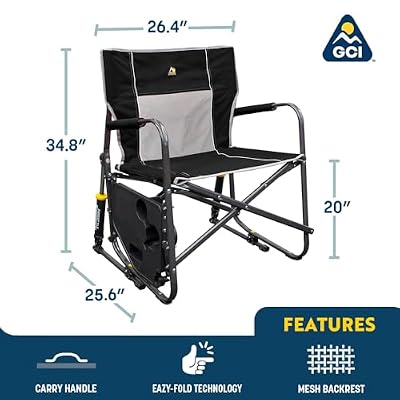


As an Amazon Associate we earn from qualifying purchases. Product prices and availability are accurate as of the date/time indicated.

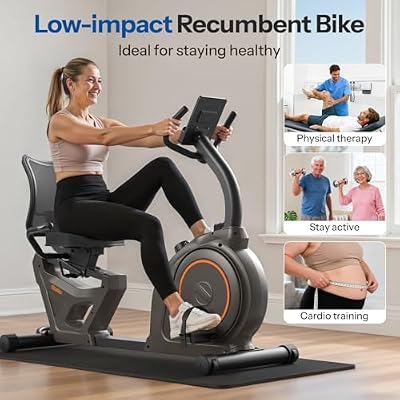


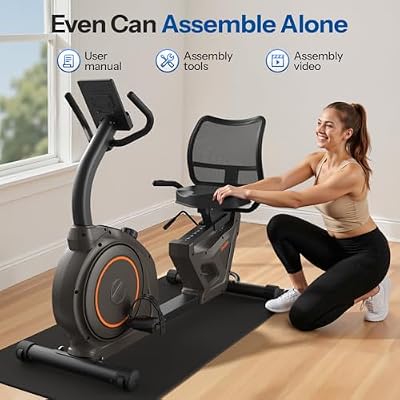
As an Amazon Associate we earn from qualifying purchases. Product prices and availability are accurate as of the date/time indicated.
How Pregnancy Support Belts Work
A pregnancy support belt works by redistributing the weight of your growing belly across your hips and lower back rather than letting it all pull forward on your abdominal muscles and lumbar spine. The belt wraps under the belly (providing lift) and across the lower back (providing compression and stability). This reduces the strain on the muscles and ligaments that support the uterus, and takes some load off the sacroiliac joints — the joints most commonly associated with pregnancy-related pelvic pain.
For plus-size pregnant women, this mechanism is especially important. More body mass means more total load on the pelvic girdle and lower back, and abdominal muscles that are starting from a position of greater extension. A well-fitted support belt provides meaningful pain relief and helps maintain mobility through the second and third trimesters.
Plus Size Pregnancy Belt Feature Comparison
| Feature | Standard Maternity Belt | Plus Size Maternity Belt |
|---|---|---|
| Size Range | XS–XL | 1X–5X or 6X |
| Adjustment Range | 4–6 inches | 8–14 inches |
| Band Width | 3–4 in | 4–6 in |
| Under-Belly Panel | Narrow (may not cover) | Wide (full support) |
| Back Support Panel | Standard | Extended lumbar coverage |
| Stays in Place | Often slides down | Anti-slip interior lining |
| Closure Type | Hook-and-loop | Multi-zone adjustable hook-and-loop |
What to Look for in a Plus Size Pregnancy Support Belt
Sizing and Adjustability
The most important specification is the adjustment range. Your belly will grow continuously from the second trimester through delivery, and your body shape will change in ways that are hard to predict. A plus size pregnancy belt with a wide adjustment range (8–14 inches) will fit through the full arc of your pregnancy rather than becoming too tight in the third trimester. Multi-zone closures — separate adjustments for the under-belly lift panel and the back support band — allow you to fine-tune the fit as your body changes.
Under-Belly Lift Panel
The under-belly panel does the most important work: it lifts the weight of the growing uterus upward and slightly backward, reducing the forward pull on your lower back. For plus-size pregnant women, the under-belly panel needs to be wider and deeper than standard designs. Look for panels that fully clear the width of your belly without cutting in on the sides. A panel that’s too narrow provides incomplete lift and may create pressure points on the sides of your abdomen.
Back Support Panel Design
The back portion of the belt should cover the full lumbar region — from the top of the pelvis to the lower ribs. Wider back panels provide more support surface and reduce the peak pressure at any single point. Some plus size maternity belts use a ribbed or boned back panel that provides rigid support similar to a lumbar brace; others use a wide elastic band. Both approaches work, but the rigid panel option is more appropriate if you have a pre-existing lower back condition.
Anti-Slip Interior
One of the most common complaints about standard maternity belts is that they slide down throughout the day — particularly for plus-size wearers where the weight of the belly creates more downward force on the belt. Look for belts with silicone gripper strips or rubberized interior lining. These grip the fabric of your clothing or directly against skin and significantly reduce belt migration. If you’ll be wearing the belt over clothing, the gripper needs to work through a layer of fabric — test or check reviews for this specifically.
Breathability and Fabric
You’ll wear this belt for hours at a time, often through physical activity. Breathable fabrics — mesh panels, moisture-wicking materials, or ventilated constructions — prevent heat buildup and sweat irritation, particularly important in warmer weather or during exercise. Avoid belts with solid neoprene throughout; they retain heat aggressively. A neoprene back panel combined with a mesh or elastic front is a good balance of support and breathability.
When to Use a Pregnancy Support Belt
Pregnancy support belts are most useful from the second trimester onward, when the belly becomes heavy enough to create meaningful strain. Typical situations where the belt provides the most benefit:
- Standing for extended periods: At work, doing errands, or any activity requiring prolonged standing.
- Walking and light exercise: A support belt allows continued moderate exercise well into the third trimester by reducing discomfort associated with movement.
- Pelvic girdle pain flare-ups: During episodes of SPD (symphysis pubis dysfunction) or sacroiliac joint pain, a well-fitted support belt can provide enough stability to function through the day.
- Post-partum recovery: Many maternity belts can also be used post-partum to provide gentle abdominal support as your core rebuilds. This is different from a dedicated postpartum wrap but can bridge the gap in the first weeks.
Always consult your midwife or OB before using a support belt, particularly if you have a high-risk pregnancy, placenta previa, or have been advised to avoid abdominal compression. Most pregnant women can wear a support belt safely, but individual circumstances vary.
For general plus-size comfort gear during and after pregnancy, our plus size yoga pants and leggings guide covers comfortable, supportive legwear that pairs well with a maternity support belt. For post-recovery seating comfort, the plus size zero gravity chair provides excellent pressure distribution for post-partum recovery outdoors. Our extra thick plus size yoga mat guide covers options for prenatal yoga and post-partum gentle exercise.
Related Guides
- Best Good Jeans For Plus Size 2026
- Best Plus Size Boxer Shorts For Women 2026
- Best Bathing Suits Plus Size Shorts 2026
Frequently Asked Questions
When should a plus size pregnant woman start wearing a support belt?
Most women begin using a pregnancy support belt in the second trimester, typically between 14 and 20 weeks, when the belly begins to grow beyond the pelvis and the additional weight starts creating noticeable back and pelvic strain. For plus-size women who already carry more weight in the abdominal region, starting as early as 12–14 weeks may provide benefit. There’s no fixed rule — start using it when you notice discomfort that the belt can address. Consult your healthcare provider for guidance specific to your situation.
How long should I wear a pregnancy support belt each day?
Most maternity support belt manufacturers and obstetric guidelines recommend wearing the belt for no more than 2–3 hours at a time, with breaks in between. Extended continuous wear can weaken the core muscles that naturally support the uterus by reducing the load they’re asked to handle. Wearing the belt during high-demand activities — long walks, work shifts requiring standing, exercise — and removing it during seated rest, sleep, and light activity is the typical recommended approach.
Can I sleep with a plus size pregnancy support belt on?
Most pregnancy support belts are not designed for sleep use. They can restrict blood flow when you’re lying down and may shift into uncomfortable positions during sleep. For nighttime comfort, a large pregnancy pillow designed for plus-size bodies — placed between the knees and behind the back — is a safer and more comfortable alternative. Some specially designed soft belly bands are marketed as safe for sleep, but always check with your healthcare provider first.
Will a plus size pregnancy support belt help with round ligament pain?
Yes, for many women. Round ligament pain — the sharp, stabbing pain on the sides of the lower abdomen — is caused by the stretching of the ligaments that support the uterus as it grows. A support belt that lifts the belly reduces the tension on these ligaments during movement, which can significantly reduce round ligament pain episodes. For plus-size pregnant women, where the belly is heavier and the forces on the ligaments are greater, a support belt often provides more noticeable relief than for smaller-framed women.
How do I wash and care for a pregnancy support belt?
Most pregnancy support belts are machine washable on a gentle cycle in cold water. Close all hook-and-loop closures before washing to prevent them from snagging the fabric or losing their grip. Air dry rather than machine dry — heat can degrade the elastic and reduce the belt’s effectiveness over time. Washing the belt every 2–3 days when worn daily keeps it hygienic without excessive wear. Check the care label on your specific belt, as some materials require hand washing.
Ready to decide? Our #1 pick for 2026 is the Size Range.
Live price & availability on Amazon.
Related Reviews & Guides




6 Best Sweater Dresses For Women Plus Size 2026
6 Best Colored Jeans For Plus Size 2026