
Last Updated: October 9, 2026
- Top Pick: Easthome Memory Foam Camping Mattress Pad with Pillow – Extra Thick 4 Inch Sleeping Pad for Camping, Waterproof Roll Up Cot Mattress Topper Camp Sleep Mat for Guest Bed Car Truck Tent, Bag, Dark Gray
- Best Value: CYMULA 4 Inch Extra Thick Memory Foam Camping Mattress Pad, CertiPUR-US Portable Picnic Mat, Hiking Sleeping Pad with Travel Bag for Tent, Car, RV
- Premium Choice: Easthome Memory Foam Camping Mattress Pad with Pillow – Extra Thick 4 Inch Sleeping Pad for Camping, Waterproof Roll Up Single Mattress Topper Bed Mat for Car Truck Tent RV, with Storage Bag, Gray

TL;DR: Plus size sleeping pads need to be at least 25″ wide (standard is 20″) and rated for 300+ lbs to prevent bottoming out. R-value of 2+ for 3-season camping, 4+ for cold ground. Self-inflating pads hold shape better under heavier bodies than air-only pads at the same thickness.
Best Plus Size Sleeping Pad for Camping: Wide, Supportive, and Insulated
Most camping sleeping pads are 20 inches wide. That’s fine if you’re a narrow sleeper, but for plus size campers — or anyone who doesn’t want to wake up on the ground with one hip hanging off the edge — a 25″ to 30″ wide pad is the starting point, not the upgrade.
As an Amazon Associate we earn from qualifying purchases at no extra cost to you.


![GAIALOOP 4 INCH Thick Memory Foam Camping Mattress, Roll Up Floor Sleeping Mat Camp Cot Mattress Pad Travel Camping Couch Bed for Guest Adults Side Sleepers [Cot:72 * 24 * 4"]](https://m.media-amazon.com/images/I/51c4ieFyU9L._SL160_.jpg)


Width is only part of the equation. Standard-weight pads also compress flat under heavier bodies, eliminating the insulation layer between you and cold ground. The R-value drops to near zero when the foam is fully compressed. A plus size sleeping pad needs structural integrity as much as it needs width. Here are the pads that actually deliver both.
🛒 Best Price Today on Amazon
Prime members get fast, free shipping on everything above, plus member-only deals. New members get a 30-day free trial — cancel anytime.
Start 30-Day Prime Free Trial →See Today’s Amazon DealsTop Plus Size Camping Sleeping Pads

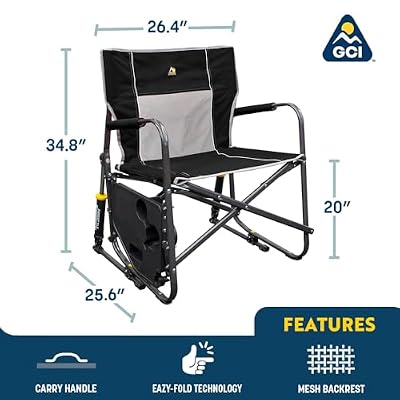
GCI Outdoor Freestyle Rocker XL with Side Table Camping Chair | Portable Folding Rocking Chair with Solid, Durable Armrests, Drink Holder & Comfortable Backrest — Black



As an Amazon Associate we earn from qualifying purchases. Product prices and availability are accurate as of the date/time indicated.

Sherpa Hiking Hydration Backpack – 22L Hiking Backpack with Water Bladder, Phone Compartment, Waterproof Zippers & Trekking Pole Holders


As an Amazon Associate we earn from qualifying purchases. Product prices and availability are accurate as of the date/time indicated.



As an Amazon Associate we earn from qualifying purchases. Product prices and availability are accurate as of the date/time indicated.
Key Specs That Actually Matter for Plus Size Sleepers
The camping industry rarely lists pads by weight capacity. You have to interpret the specs to determine what will and won’t bottom out under a heavier body:
- Width: 25″ is the practical minimum for most plus size campers. 28″–30″ gives true sleeping comfort without edge anxiety. Standard pads at 20″ leave you with no margin for movement.
- Weight capacity: When listed, look for 300+ lbs. Many pads aren’t rated, which means they’re built for average use. Self-inflating closed-cell foam pads compress predictably; pure air pads may feel supportive initially but shift under heavier bodies.
- Thickness: 3″ of air or foam is the minimum for plus size use. Under 2.5″ thickness, heavier bodies compress through to ground contact — eliminating both comfort and insulation. 4″+ is preferred for side sleepers who concentrate pressure on hip and shoulder points.
- R-value: Measures insulation from cold ground. R-2 works for summer camping on warm ground. R-4 handles 3-season (including cold nights). R-6+ for shoulder-season or cold-climate camping. Because plus size bodies compress the pad more, the effective R-value is lower than stated — size up one R-value tier as a rule of thumb.
- Pad type: Self-inflating foam-core pads maintain structure under load. Pure air pads are lighter but shift. Closed-cell foam pads are bombproof but bulky. For plus size camping, self-inflating wins on the balance of support, insulation, and packability.
Plus Size Sleeping Pad Specs Reference
| Pad Width | Best For | Min. Thickness | R-Value Target |
|---|---|---|---|
| 20″ (standard) | Petite / average build | 2″ | 2+ |
| 25″ | Plus size, active sleepers | 3″ | 3+ (bump up 1 from listed) |
| 28″ | Plus size, side sleepers | 3.5″ | 4+ |
| 30″ | Heavy sleepers, 300+ lbs | 4″ | 4+ (cold ground: 6+) |
Sleeping Pad Types for Plus Size Campers
Each pad type has meaningful tradeoffs for plus size use specifically:
Self-inflating foam-core pads: Open-cell foam draws air in when you open the valve, then you top off with a few breaths. The foam matrix provides structural support independent of air pressure — so even if you lose a bit of air overnight, the foam holds shape. Best overall option for plus size campers who want consistent support without managing inflation.
Air pads (no foam core): Lightweight and packable. The internal baffles determine shape under load — horizontal baffles shift under side pressure, I-beam or vertical baffles hold more stable. Plus size campers using air-only pads should inflate to firm (not just comfortable) and verify the pad holds pressure overnight before a trip.
Closed-cell foam pads: Virtually indestructible, no inflation needed, zero risk of deflation. The tradeoff is pack size — they strap to the outside of a backpack or roll out in a tent. R-value per inch is lower than air or self-inflating pads, so you need a thicker closed-cell pad to equal the insulation of a thinner air pad. For car camping, closed-cell pads make a great base layer under an air pad for combined comfort and puncture insurance.
For building a complete camp sleep system, pair your pad with our guide to plus size camping sleeping bags that match your temperature rating needs.
Car Camping vs. Backpacking: Different Priorities
Weight and pack size matter for backpacking; not at all for car camping. This changes which pad type makes sense:
Car camping: No weight limit. Use the widest, thickest self-inflating pad you can find — 30″ wide, 4″ thick, R-5+. Double up with a closed-cell foam base if the ground is cold or uneven. Bring a full-size pump so inflation takes 30 seconds, not 5 minutes of huffing.
Backpacking: Weight matters, but don’t sacrifice width for grams. A 25″ wide air pad at 1.5 lbs is a better choice than a 20″ ultralight pad at 1 lb — sleeping badly all night costs more in energy than the extra half pound. Look for plus size pads from backpacking brands; they exist, just require more searching than car camping options.
For broader outdoor gear coverage, our plus size camping gear checklist covers everything from shelter to kitchen setup.
FAQ: Plus Size Sleeping Pad for Camping
What width sleeping pad do I need as a plus size camper?
At minimum, 25 inches. Standard 20″ pads leave no margin for movement and plus size sleepers routinely roll off the edge overnight. 28″–30″ is genuinely comfortable for most plus size bodies and eliminates the middle-of-the-night readjustment. For couples sharing a tent, two 25″ pads side by side is better than one double-wide pad with no separation.
Will a regular sleeping pad support 250+ lbs without bottoming out?
Likely not at standard thickness. A 2.5″ foam pad that bottoms out compresses to near-zero insulation and comfort. At 250–300 lbs, you need a minimum 3″ thickness in a high-density foam or well-inflated air pad. Self-inflating pads at 3″+ with a foam core hold up significantly better than thin air pads at higher body weights. When in doubt, add a closed-cell foam base layer underneath.
What R-value should plus size campers use for 3-season camping?
Aim for R-4 stated value — effectively R-3 under compression from a heavier body. For summer camping on warm ground, R-2 may be adequate. For anything below 50°F ground temperature, R-4 is the practical minimum for plus size campers. Cold ground conducts heat away from the body regardless of air temperature — an R-value rated for an average sleeper underperforms when compressed more heavily.
Are air sleeping pads or self-inflating pads better for heavier campers?
Self-inflating pads are generally more reliable for heavier campers. The foam core provides support even if some air escapes overnight, and the combination of foam and air insulation performs better under compression than air alone. High-end air pads with vertical or I-beam baffles work well at full inflation, but require checking pressure each evening — foam-core pads are more forgiving.
Can I use two sleeping pads stacked for extra cushion and warmth?
Yes, and it’s a legitimate plus size camping strategy. A closed-cell foam pad as a base layer adds R-value and puncture protection, topped by a self-inflating or air pad for comfort. The foam base prevents moisture wicking from cold ground and provides a stable non-slip surface for the top pad. Total cost is often lower than buying one premium thick pad. For cold-ground camping especially, the dual-pad approach is the most reliable solution.
Frequently Asked Questions
What width and length should I look for?
Standard pads are 20 inches wide, which is genuinely narrow for most adults. Look for wide models at 25 to 30 inches, and rectangular rather than mummy-tapered shapes so your shoulders and hips stay fully on the pad. For length, aim for at least six inches beyond your height so your feet do not hang off.
How thick should the pad be, and what R-value do I need?
Thicker pads keep hips and shoulders off the ground; three to four inches is a good target for side sleepers. R-value measures insulation, not comfort: around 2 suits summer, 3 to 4 covers three seasons, and 5 or above is needed for cold ground. The two specs are independent, so check both.
Will it hold up under more weight?
Check the stated weight capacity and the denier of the fabric. Ultralight pads use 20D or 30D nylon which punctures easily; look for 50D to 75D on the bottom face for durability. Baffled internal construction and horizontal chambers distribute load better than simple vertical tubes, which tend to let hips bottom out.
Air, self-inflating, or foam?
Air pads pack smallest and give the most thickness, but need inflating and can fail. Self-inflating pads combine foam and air for reliability with moderate bulk. Closed-cell foam never punctures and costs least, but is thin and bulky to carry. For car camping where pack size does not matter, a thick self-inflating pad is often the best compromise.
How do I care for it and repair punctures?
Store self-inflating and air pads unrolled with the valve open to prevent the foam taking a set and moisture building inside. Always use a groundsheet. Carry the included patch kit; most leaks are found by inflating firmly and listening or brushing soapy water over the surface, then patching on a clean dry area.
Ready to decide? Our #1 pick for 2026 is the 20" (standard).
Live price & availability on Amazon.
Related Reviews & Guides


6 Best Flattering Shorts For Plus Size 2026
6 Best Plus Size Shapewears For Tummy Control 2026