
Last Updated: September 7, 2026
Extra wide width shoes for women are weirdly hard to find in stores — most stock stops at “wide” while millions of women actually need 2E, 4E or a genuinely roomy toe box. If you have ever bought a half size up just to get width you did not need in length, this guide is for you. Comfortable feet are not a luxury; they are the foundation of every outfit and every good day. We verified five extra wide and wide-fit walking shoes and sneakers from the brands that take width seriously, and explain exactly how letter widths work so you can order once and keep them.
Top Picks: Extra Wide Shoes That Respect Your Feet
New Balance 928 V3 Lace-Up Walking Shoe
The 928 is the gold standard motion-control walker, and New Balance offers it in genuinely extended widths rather than a token “wide.” Rollbar stability, a supportive footbed and a structured leather upper make it the pick for long days on your feet, plantar fasciitis flare-ups and anyone whose podiatrist keeps saying the words “supportive shoe.”
As an Amazon Associate we earn from qualifying purchases at no extra cost to you.


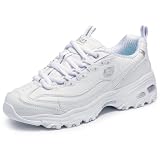


New Balance 877 V1 Walking Shoe
A lighter, sportier walking shoe with New Balance’s trademark width range and a cushioned, breathable build. It looks like a classic gray trainer, which means it pairs as easily with leggings as with a casual dress, and the roomy forefoot leaves real space for toes to spread.
Skechers Arch Fit – Big Appeal Sneaker
The Arch Fit insole is podiatrist-certified arch support straight out of the box — no aftermarket insoles required. The knit upper stretches across wider forefeet and bunions without pressure points, while woven side panels keep the fit stable rather than sloppy.
Skechers Wide-Fit Walking Sneaker
A slip-on-easy walking sneaker with Skechers’ pillowy cushioning and a forgiving stretch-knit upper. It is the lowest-effort shoe of the group: no break-in period, machine-friendly fabric and an outsole that handles miles of errands without fatigue.
Skechers Good Life Relaxed Fit Fashion Sneaker
Skechers’ Relaxed Fit construction means a roomier toe box and forefoot by design, plus a memory foam insole that molds to your foot from day one. The soft heathered fabric upper and bungee-lace styling make it the most casual-cute option here — a true everyday knockabout shoe.
Understanding 2E and 4E: Width Sizing Decoded
Women’s widths run from narrow (2A) through medium (B), wide (D), extra wide (2E) and extra-extra wide (4E). Each step adds roughly a quarter inch of forefoot girth — a small number that completely changes how a shoe feels across the ball of the foot. Two rules save you money. First, never buy length to get width: a longer shoe bends in the wrong place and causes heel slip. Second, measure your foot in the afternoon when it is naturally at its largest, and measure both feet — most people have a bigger side, and that side picks your size. If you are not sure whether you need wide or extra wide, our medium vs wide width shoes guide walks through the exact signs, and our roundup of wide width sneakers covers additional wide-friendly styles.
What to Look for Beyond the Letter
Width letters are only half the story. Look for a rounded or squared toe box — a pointed shoe in 4E still squeezes toes. Stretch-knit uppers accommodate bunions and wide forefeet without pressure, while structured leather gives more support for overpronation. Removable insoles matter if you wear orthotics: pulling the stock liner adds depth and width in one move. And check closure type — laces and adjustable straps let you tune fit across the instep, which slip-ons cannot. The same fit principles apply to the rest of your shoe wardrobe, from wide width sandals in summer to wide calf ankle boots and extra wide calf boots when the weather turns.
Quick Comparison
| Shoe | Width Range Feel | Support Level | Upper | Best For |
|---|---|---|---|---|
| New Balance 928 V3 | Extended widths | Maximum stability | Leather | All-day walking, foot pain |
| New Balance 877 V1 | Extended widths | Cushioned support | Mesh/synthetic | Fitness walking |
| Skechers Arch Fit Big Appeal | Wide fit | Certified arch support | Stretch knit | Arch pain, errands |
| Skechers Walking Sneaker | Wide fit | Soft cushioning | Stretch knit | Easy everyday wear |
| Skechers Good Life | Relaxed fit/roomy | Memory foam comfort | Heathered fabric | Casual outfits |
Breaking In and Caring for Wide Width Shoes
Even a perfectly sized 2E or 4E shoe benefits from a smart first week. Wear new walking shoes indoors for an hour or two at a time before committing to a full day, and pay attention to where any pressure shows up — forefoot pressure on day one rarely improves and usually means the width is still wrong, while mild heel stiffness almost always relaxes. Rotate two pairs if you walk daily; foam midsoles need about a day to fully rebound, and alternating pairs measurably extends the life of both. Replace cushioned walking shoes when the midsole creases deeply or the tread wears smooth — for most daily walkers that is roughly every six to twelve months, long before the upper looks worn. Wash knit uppers with mild soap and air dry them away from direct heat, which warps foam and glue. And if you use custom orthotics, bring them when judging any new shoe: an insole swap changes both the fit depth and the effective width, and a shoe that works with your orthotic on day one is the shoe that will still be comfortable at month six.
Frequently Asked Questions
What is the difference between 2E and 4E in women’s shoes?
2E is extra wide and 4E is extra-extra wide — each step adds about a quarter inch around the forefoot. If a women’s wide (D) still presses at the ball of your foot or your pinky toe, 2E is the next stop; 4E suits the widest feet, swelling or orthotic use.
Should I just buy men’s shoes for more width?
You can — a men’s size runs about 1.5 sizes lower and one width wider — but you lose women’s-specific heel shaping, which often causes slip. Buying a true women’s 2E or 4E almost always fits better than converting.
Why do my wide shoes still hurt?
Usually the toe box shape, not the width number, is the culprit: a tapered toe in any width squeezes. Look for rounded toe boxes, stretch-knit uppers and removable insoles, and verify you are not wearing a half size too long to compensate.
Do extra wide shoes look bulky?
Modern wide lasts add room across the forefoot, not visual bulk — knit sneakers in 2E look nearly identical to medium widths. Choosing low-profile colors like white, taupe or gray keeps proportions sleek with dresses and jeans.
How do I know my real width?
Trace your foot on paper in the afternoon, measure the widest point and compare it to a brand width chart for your length size. Persistent red marks across the ball of the foot or pinky-side pressure are the classic signs you need the next width up.
Related Reviews & Guides

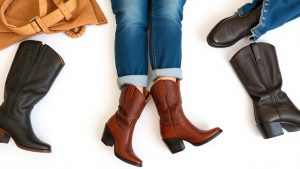
10 Best Wide Calf Cowboy Boots for Women: Western Styles That Fit

Quick Picks: Best Plus Size Puffer Winter Coats for Women