
Last Updated: September 7, 2026
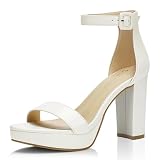
- Top Pick: DOBOLIN Wide Width Black Heels for Women Block Chunky Platform High Heels Open Toe Fashion Wedding Party Ankle Strap Dress Sandals Shoes, Size 7.5
- Best Value: CUSHIONAIRE Lola Dress Pump Heels for Women, Classic Pointed Toe High Heels with Soft Memory Foam and Durable Outsole, Beige 9W
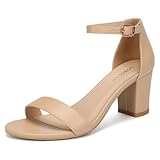
- Premium Choice: Amazon Essentials Women's Two Strap Heeled Sandals with Adjustable Ankle Strap, Padded Memory Foam Insole, Tan, 10 Wide
If standard heels leave your pinky toes screaming and the sides of your feet spilling over the insole, you do not need to give up on heels; you need wide width heels that were actually lasted for your foot. Wide width high heels and pumps are built on a broader last with a roomier toe box, a deeper heel cup, and more generous girth through the ball of the foot, which is exactly where narrow shoes punish wide feet most. The difference between cramming into a B-width pump and stepping into a true wide is the difference between counting minutes until you can sit down and dancing until the lights come up. Here are the best wide width heels we recommend, plus a fitting guide that will save your feet at the next wedding, workday, or night out.
As an Amazon Associate we earn from qualifying purchases at no extra cost to you.




Top Picks: Best Wide Width Heels and Pumps
DREAM PAIRS Chunky Low Block Heel Pumps (Wide)
DREAM PAIRS’ wide-width version of its closed-toe block pump is the everyday hero of this list. The low chunky heel keeps you stable on office floors and sidewalks, the rounded toe box gives toes genuine spread room, and the cushioned insole holds up through a full workday. If you are rebuilding a heel wardrobe around comfort, start here.
DREAM PAIRS Nereida Low Block Heels (Wide)
The Nereida pairs a modest block heel with a round toe and a grippy, wear-resistant outsole, making it the commuter-proof choice. The wide fit runs true through the ball of the foot, and the heel height adds polish without changing how you walk. It transitions cleanly from interviews to dinners.
DREAM PAIRS LOLA Heeled Loafer Pumps
Part loafer, part pump, the LOLA is the most office-ready silhouette here: a low chunky heel, a slip-on fit that does not gap at the sides, and enough structure to look intentional with trousers or a pencil skirt. Wide-footed women who find classic pumps too shallow will appreciate the loafer-style coverage across the instep.
Heel The World Chunky Block Pointed-Toe Pumps
When the occasion calls for a true high heel, this chunky block pump delivers the drama with a wider, more stable platform than a stiletto. The pointed toe elongates the leg while the block heel carries your weight across a bigger footprint, a far friendlier geometry for fuller feet at weddings and parties.
Wide Width Block Heel Mules
Open-toe mules are a secret weapon for wide feet: no toe box to fight at all. This pair combines a low block heel with an adjustable back strap and arch-support footbed, making it the summer and special-occasion pick for anyone whose toes simply refuse closed shoes. Slip on, adjust, done.
How Wide Width Heels Should Actually Fit
A correctly fitted wide heel checks four boxes. First, the ball of your foot, its widest point, sits exactly at the widest point of the shoe, with no flesh pressing over the insole edge. Second, the toe box leaves a thumbnail of space ahead of your longest toe, and your toes can wiggle; in a pointed style, the point should extend beyond your toes, never contain them. Third, the heel cup grips without slipping; if your heel lifts, the shoe is too long, not too narrow, and you may need a smaller size in wide rather than a bigger size in medium. Fourth, the topline (the opening edge of a pump) should not gape at the sides or bite into the top of your foot. Shop late in the day when feet are naturally fuller, and if you are unsure whether you even need a wide, our guide to medium vs wide width shoes walks you through measuring at home.
Heel Height and Shape: What Works for Wide Feet
Heel geometry matters as much as width. Block heels distribute weight over a broad contact patch, which dramatically reduces forefoot pressure compared to stilettos of the same height. For all-day wear, two inches or less is the sweet spot; for events, a two-and-a-half to three-inch block or wedge gives height with stability. Pointed toes are fine if the taper happens past your toes, while round and almond toes are naturally roomier. Platforms under the forefoot effectively reduce the heel pitch, another comfort trick. Style-wise, block heels pair beautifully with the wide-leg trousers and midi skirts in our interview outfit guide, and they are the most dance-floor-safe choice with cocktail dresses and wedding guest outfits.
Breaking In and Caring for Wide Width Heels
Even a perfect-width heel benefits from a gentle break-in: wear new pairs at home for an hour or two with the socks or hosiery you plan to use, and use a shoe stretcher or a cedar shoe tree between wears if any spot rubs. Gel ball-of-foot cushions reduce forefoot fatigue in higher heels, and heel grips fix minor slip without forcing you into a tighter size. Rotate pairs rather than wearing the same heels daily so cushioning can recover. And remember that heels are only one corner of a curvy shoe wardrobe; our roundups of wide calf dress boots and extra wide calf boots cover the cooler months, and the capsule wardrobe guide shows how few pairs you actually need.
Quick Comparison
| Heel | Style | Heel Type | Best For |
|---|---|---|---|
| DREAM PAIRS Chunky Low Block | Closed-toe pump | Low block | All-day office wear |
| DREAM PAIRS Nereida | Round-toe pump | Low block, grippy sole | Commutes, interviews |
| DREAM PAIRS LOLA | Heeled loafer | Low chunky | Business casual |
| Heel The World Pump | Pointed-toe pump | High chunky block | Weddings, parties |
| Block Heel Mules | Open-toe mule | Low block | Summer events, wide toes |
Frequently Asked Questions
How do I know if I need wide width heels?
Trace your foot at the end of the day and measure the widest point, then compare against a brand width chart for your length size. Telltale signs you need a wide: red pressure marks along the sides of your feet, pinky toes that blister in every pump, and feet that spill over the insole edge.
Should I just buy a half size up instead of a wide width?
No. Sizing up adds length, not proportional width, so you end up with heel slip and toes sliding forward into the toe box, which actually increases pressure. Width and length are independent measurements; buy your true length in a genuine wide last.
What heel height is most comfortable for wide feet?
Most wide-footed women do best at two inches or under for daily wear, because lower pitch keeps weight off the forefoot where wide feet experience the most pressure. For events, a chunky block heel up to about three inches offers height with far less pain than a stiletto.
Are block heels better than stilettos for wide feet?
Generally yes. A block heel’s larger contact area improves balance and lets weight spread naturally, while a stiletto concentrates force and tends to come on narrower lasts. If you love a stiletto look, choose one with a platform and reserve it for sit-down occasions.
Do wide width heels look different from regular heels?
On your foot, no; that is the point. A wide last is shaped for your foot, so the shoe sits smoothly without bulging or gapping, which actually looks sleeker than a too-narrow shoe being overstuffed. No one has ever spotted a width letter from across a room.
Heels should be a choice you make for the joy of them, not a penalty you pay in pain. Get the width right, favor block heels for long days, and your feet will happily carry you through every occasion on the calendar.
Related Reviews & Guides



11 Best Plus Size Life Jacket PFDs for Kayaking
Quick Picks: Best Wide-Width Walking Shoes for Women