Last Updated: September 1, 2026
- Top Picks at a Glance
- PFD Basics: What the Classifications Mean
- Why Standard PFDs Fail Plus-Size Bodies
- How to Choose the Right Plus-Size PFD: Key Measurements
- Best Plus-Size PFDs for Kayaking
- Fit Test: How to Confirm Your PFD Actually Fits
- Pairing Your PFD: Kayak Capacity Matters Too
- Frequently Asked Questions
- Related Articles
- Top Pick: Onyx Universal Paddle Life Jacket, USCG & TC Approved Adult PFD
- Best Value: Airhead Women’s Trend Life Jacket, Coast Guard Approved, 2X-Large/3X-Large, Pink
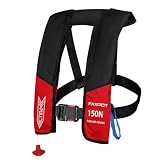
- Premium Choice: Stohlquist Oversize XL Adult PFD Life Vest – Coast Guard Approved, Adjustable Size, Unisex, Lightweight, High Mobility, PVC Free Life Jacket

TL;DR: Plus-size PFDs must fit your chest circumference — not just your weight. Most standard life jackets top out at 52–54 in chest; plus-size-specific PFDs go to 60–72+ in. Weight capacity for most Type III PFDs is listed as body weight ranges (90–300+ lb) alongside chest size. Never kayak in a life jacket that doesn’t close fully or restricts arm swing.
Best Plus Size Life Jacket PFD for Kayaking: 2026 Buyer’s Guide
A life jacket that doesn’t fit is worse than useless — it’s a false sense of security. For plus-size kayakers, standard PFDs are a genuine problem: chest openings too narrow to buckle, armholes that restrict the paddle stroke, buoyancy foam panels that ride up over the face when in water, and sizing that just stops at XL or 2X.
As an Amazon Associate we earn from qualifying purchases.




This guide covers the real specs that matter — chest circumference range, buoyancy rating, fit geometry for curvy bodies, and the best plus-size-specific PFDs for recreational kayaking and beyond. Safety is non-negotiable on water. Fit is the only way to get it.
🛒 Best Price Today on Amazon
Prime members get fast, free shipping on everything above, plus member-only deals. New members get a 30-day free trial — cancel anytime.
Start 30-Day Prime Free Trial →See Today’s Amazon DealsTop Picks at a Glance

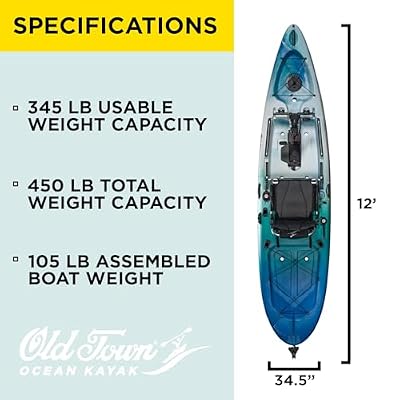
Old Town Ocean Kayak Malibu Pedal Solo Sit-on-Top Recreational Pedal Kayak, 12 ft, Horizon




As an Amazon Associate we earn from qualifying purchases. Product prices and availability are accurate as of the date/time indicated.
Best pairing: Stable recreational kayak
Capacity: 425 lb
Type: Sit-on-top

Sherpa Hiking Hydration Backpack – 22L Hiking Backpack with Water Bladder, Phone Compartment, Waterproof Zippers & Trekking Pole Holders


As an Amazon Associate we earn from qualifying purchases. Product prices and availability are accurate as of the date/time indicated.
Best pairing: On-water hydration
Use: Attach to kayak deck
Capacity: 2L bladder
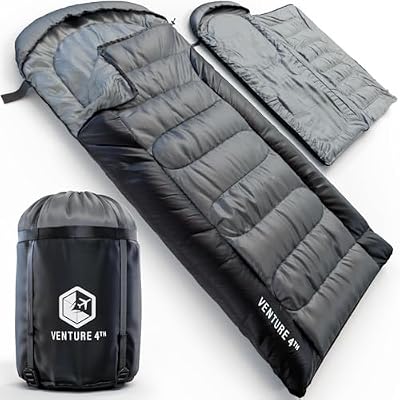


As an Amazon Associate we earn from qualifying purchases. Product prices and availability are accurate as of the date/time indicated.
Best pairing: Kayak camping trips
Weight cap: 400+ lb
Girth: 72 in circumference
PFD Basics: What the Classifications Mean
In the US, the Coast Guard classifies PFDs by type:
| Type | Classification | Best For | Buoyancy |
|---|---|---|---|
| Type I | Offshore Life Jacket | Open water, rough conditions | 22+ lb (adult) |
| Type II | Near-Shore Vest | Calm inland water, supervised use | 15.5 lb (adult) |
| Type III | Flotation Aid | Kayaking, paddleboarding, recreational use | 15.5 lb (adult) |
| Type IV | Throwable Device | Supplemental, not worn | Varies |
| Type V | Special Use | Whitewater, kayak-specific designs | Varies by design |
For recreational kayaking, Type III is the standard — designed for conscious wearers in non-extreme conditions who can self-rescue. It allows more freedom of movement than Type I/II, which matters enormously for paddling. Type V kayak-specific vests (low-profile torso vests) are excellent for experienced paddlers wanting minimal restriction.
Why Standard PFDs Fail Plus-Size Bodies
- Chest size mismatch: Most standard adult PFDs fit chest circumferences up to 52–54 in. A size 2X–3X often has a 48–56 in chest — right at the edge or beyond the limit.
- Armhole restriction: Standard armholes are cut for slim shoulders. On a broader-shouldered plus-size body, they dig in and prevent full paddle stroke. After 20 minutes, the chafing and restriction are unbearable.
- Buoyancy panel position: Standard vests have foam panels positioned for an average chest profile. On a larger bust, panels ride up — reducing their buoyancy effectiveness and obscuring vision when in water.
- Buckle reach: Front-clip PFDs require the buckle to reach across the full chest. On larger torsos, buckles either don’t close or must be adjusted so loosely that the vest shifts in water.
- Ride-up in water: A loose PFD — even technically “on” — rides up over the face in the water, blocking airways. This is the most dangerous failure mode for improperly-fitted PFDs on plus-size bodies.
How to Choose the Right Plus-Size PFD: Key Measurements
Chest Circumference — The Primary Measurement
Measure around the fullest part of your chest (at the nipple line for men; below the bust for women in a sports bra). This single measurement determines PFD sizing — not body weight, not clothing size.
| Chest Circumference | Standard PFD Fit | Need Plus-Size PFD? |
|---|---|---|
| Under 42 in | Universal adult fits well | No |
| 42–50 in | Large/XL fits; check armholes | Maybe — check armhole clearance |
| 50–58 in | Standard PFD tops out here | Yes — seek plus-size specific |
| 58–66 in | Standard PFDs don’t fit | Yes — extended chest range required |
| 66+ in | Very few options available | Yes — specialty brands only |
Body Weight Ranges
Most PFDs list both weight and chest ranges. The buoyancy math works on body weight — heavier bodies need slightly more buoyancy to float, but the 15.5 lb minimum (Type III) provides adequate flotation for adults up to approximately 300 lb. For very large body sizes, confirm the PFD chest range fits before worrying about buoyancy math.
Best Plus-Size PFDs for Kayaking
1. Onyx MoveVent Dynamic — Best Overall (Fits to 60 in Chest)
| Spec | Detail |
|---|---|
| Chest range | 46.5–60 in (2XL/3XL) |
| Buoyancy | 16.5 lb |
| Type | III |
| Coast Guard approved | Yes |
| Key feature | Open-sided design, full arm swing |
| Price | $75–$90 |
The MoveVent Dynamic’s open-sided torso and mesh back panel are the plus-size-friendly design features that matter most. The side panels use elastic mesh rather than foam — allowing the vest to flex around a larger midsection without binding. Armholes are cut high and wide. Chest pockets add utility for snacks and a knife.
2. NRS Chinook Fishing PFD — Best for Larger Chests (Fits to 66 in)
| Spec | Detail |
|---|---|
| Chest range | Up to 66 in (XL/XXL) |
| Buoyancy | 17.4 lb |
| Type | III |
| Key features | Multiple pockets, hydration compatible |
| Price | $120–$150 |
NRS is a paddling-specific brand with genuine commitment to extended sizing. The Chinook reaches 66 in chest circumference — rare in the market. Originally designed as a fishing PFD, the pocket placement and hydration bladder compatibility (pairs well with the detailed plus size hiking backpack review) make it versatile for long paddle days.
3. Stearns Adult Classic — Best Budget Option (to 56 in Chest)
| Spec | Detail |
|---|---|
| Chest range | 36–56 in (XL) |
| Buoyancy | 15.5 lb |
| Type | III |
| Price | $30–$50 |
| Note | Basic design; limited adjustability |
Best for occasional use, flat-water kayaking, and bodies in the 50–56 in chest range. Don’t push the size limit here — if you’re at 56 in, go to the Onyx for proper fit.
4. Mustang Survival MIT 70 Inflatable — Best for Experienced Paddlers
| Spec | Detail |
|---|---|
| Chest range | Universal fit to 52 in chest uninflated |
| Buoyancy inflated | 22.5 lb |
| Type | V (automatic or manual inflation) |
| Weight | Under 1 lb |
| Note | Not for non-swimmers; requires conscious wearer |
| Price | $150–$200 |
Inflatable PFDs are thin, non-restrictive when uninflated, and inflate automatically on immersion. The size flexibility (universal girth until inflated) helps plus-size wearers where foam PFDs struggle. However — these are only appropriate for experienced swimmers on calm water. Not for beginners or rough conditions.
Fit Test: How to Confirm Your PFD Actually Fits
A PFD that’s technically buckled but too loose is dangerous. Before taking it on water:
- Buckle all closures: Every buckle, zipper, and strap should close without strain
- Shoulder lift test: With the PFD buckled, have someone grip the shoulders and lift. If the vest rises past your chin, it’s too loose — tighten or size down
- Armhole check: Raise both arms to paddling position. No binding, no restriction at the armhole. If it pulls tight, the armhole is too small
- Torso coverage: PFD should cover from collarbone to just above the hip bone
- Breathe test: Take a full deep breath. If the PFD compresses uncomfortably, it’s too small laterally
Pairing Your PFD: Kayak Capacity Matters Too
A properly-fitting PFD is critical — but it won’t compensate for a kayak too small for your body weight. The Old Town Ocean Kayak Malibu is a sit-on-top recreational kayak rated to 425 lb, with a wide cockpit opening that accommodates plus-size bodies comfortably. If you’re shopping for a kayak alongside your PFD, our this guide on plus size kayak buying covers weight capacity, cockpit width, and stability specs in detail.
For multi-day kayak camping, the gear chain extends beyond the PFD — check our extra large sleeping bag camping for overnight kit that actually fits.
Old Town Ocean Kayak Malibu Pedal Solo Sit-on-Top Recreational Pedal Kayak, 12 ft, Horizon
As an Amazon Associate we earn from qualifying purchases. Product prices and availability are accurate as of the date/time indicated.
Frequently Asked Questions
What size life jacket do I need if I’m plus size?
Measure your chest circumference at its fullest point, then match to the PFD size chart — not your clothing size or body weight. Plus-size-specific PFDs like the Onyx MoveVent Dynamic (XL/2XL to 60 in) and NRS Chinook (to 66 in) are specifically sized for larger chest measurements that standard vests can’t accommodate.
Is there a weight limit on life jackets?
Coast Guard-approved PFDs list weight ranges alongside chest sizes. Most adult Type III PFDs cover 90 lb and above without an upper weight limit — the limiting factor is chest circumference fit, not body weight. The buoyancy (15.5+ lb for Type III) is sufficient for any adult weight when properly fitted.
Can a plus-size person kayak safely?
Absolutely — with the right kayak and the right PFD. A sit-on-top kayak with a 400+ lb weight capacity (like the Old Town Malibu at 425 lb), a properly-fitted plus-size PFD, and calm recreational water conditions are all that’s needed for safe, enjoyable kayaking at any size. Stability is actually better on sit-on-tops than traditional sit-inside kayaks for larger paddlers.
How do I stop a life jacket from riding up when I’m in the water?
Tighten all adjustment straps — especially the waist belt and shoulder straps. The shoulder lift test (see fit section above) reveals this before you’re in the water. If a properly-tightened vest still rides up, the vest is the wrong size or style for your body proportions. A belt-style PFD with a waist strap creates a lower anchor point that resists ride-up better than vest-style PFDs on some body shapes.
What’s the difference between a life jacket and a PFD for kayaking?
Technically, all Coast Guard-approved devices are PFDs (Personal Flotation Devices). “Life jacket” usually refers to Type I or II — offshore, self-righting designs meant to turn an unconscious person face-up. For kayaking, a Type III “flotation aid” PFD is standard — designed for conscious wearers in recreational settings. Type III allows more paddling freedom and is what most kayakers, plus-size or otherwise, should wear.
Ready to decide? Our #1 pick for 2026 is the Type I.
Live price & availability on Amazon.
Related Reviews & Guides



11 Best Plus Size Evening Shoes for Formal Occasions
Quick Picks: Best Plus-Size Life Jackets