
Last Updated: September 4, 2026
- Top Plus Size Interview Outfits Dress Picks for 2026
- Decode the Dress Code Before You Decide Anything
- The Core Pieces: Building a Plus Size Interview Capsule
- Fit and Fabric Details That Read as Polish
- Colors, Shoes, and Accessories That Support the Message
- Day-Of Strategy: Comfort Is a Performance Advantage
- Frequently Asked Questions
Top Plus Size Interview Outfits Dress Picks for 2026
Here are our current top plus size interview outfits dress picks, compared on real Amazon owner reviews, price, and features. Live prices update below.
As an Amazon Associate we earn from qualifying purchases at no extra cost to you.

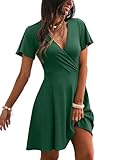


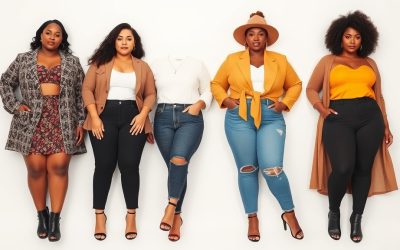
Plus size interview outfits should do one job above all others: let the interviewer focus entirely on how qualified you are. The right outfit is quiet armor — polished, comfortable enough that you never fidget, and appropriate for the company’s culture. The wrong outfit distracts you with a gaping button or a waistband that digs while you are trying to answer behavioral questions. This guide breaks down what to wear by industry dress code, the fit details that read as polish, fabric choices that survive nerves and commutes, and the finishing touches that complete a confident first impression.
Decode the Dress Code Before You Decide Anything
The biggest interview-outfit mistake is not underdressing or overdressing — it is guessing. Research the company first: check their careers page, employee photos on LinkedIn, and social media. Then dress one step above the everyday standard you observe. Interviews break roughly into four codes:
- Business formal (law, finance, consulting): a matched or coordinated suit — blazer with trousers, a pencil skirt, or a sheath dress, in navy, charcoal, or black.
- Business casual (most corporate offices): a blazer over a blouse with tailored trousers or a knee-length skirt; a full suit optional.
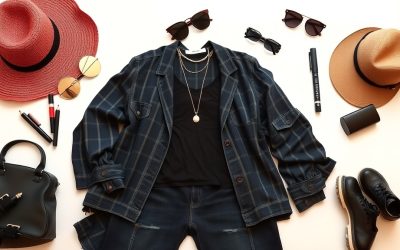
- Smart casual (tech, startups, creative): polished separates — dark jeans or ponte pants with a structured top and a third piece like a blazer or fine-knit cardigan.
- Uniformed or hands-on roles: neat, fitted basics that show you take the meeting seriously without costuming for a desk job you are not applying to.
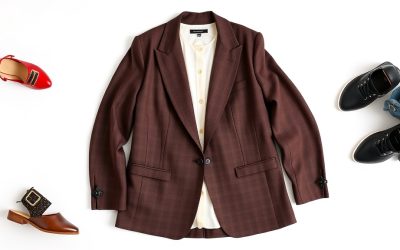
When in doubt, default to business casual with a blazer. A blazer is the single most efficient credibility signal in interview dressing, and you can remove it if the room turns out to be casual.
The Core Pieces: Building a Plus Size Interview Capsule
You do not need a closet of corporate wear — you need one reliable interview formula you can repeat. Start with a well-fitting blazer in a structured fabric with a touch of stretch. It should close without pulling at the bust and sit smoothly across the shoulders; everything else can be tailored, but shoulders must fit off the rack. A slightly relaxed cut styled deliberately also works — how to style an oversized blazer shows how to keep volume looking intentional rather than borrowed.
For bottoms, ponte pants are the plus size interview MVP: they hold a creased, trouser-like line while stretching through a long day of sitting, walking, and stair-climbing. A pencil skirt with a back vent delivers classic formality — knee-length, with enough stretch to sit comfortably. A sheath or wrap dress under a blazer is the one-piece solution that removes waistband worries entirely. These few pieces slot directly into a larger capsule wardrobe, so the investment keeps paying after you get the job.
Fit and Fabric Details That Read as Polish
Interviewers notice fit before they notice price. The checkpoints that matter: no pulling or gaping at the blouse button line (a hidden snap or fashion tape solves it instantly), sleeves ending at the wrist bone, trousers breaking cleanly at the shoe, and a bra that fits properly under a smooth top — foundation fit changes how every layer drapes.
Fabric is your nerves insurance. Choose materials that resist wrinkles and breathe: ponte, crepe, twill blends with stretch, and fine-gauge knits. Avoid clingy thin jersey, linen (wrinkles by arrival), and anything that shows perspiration — interview adrenaline is real, and a dark, breathable fabric keeps it your secret. Do a full rehearsal in the complete outfit: sit, reach, walk stairs, and check the outfit in photos, because that is how you will appear on a video call if any round is remote.
Colors, Shoes, and Accessories That Support the Message
Color psychology in interviews is simple: navy, charcoal, and black read as competent and serious; burgundy, forest, and teal add personality while staying professional; one accent — a blouse, a scarf, a lip color — is plenty. Head-to-toe color or loud prints can work in creative fields, but in conservative ones, let your portfolio be the bold part.
Shoes must be quiet, closed-toe, and comfortable enough to walk a parking lot plus a long hallway without thinking about them. A block heel or polished flat beats a stiletto in nearly every interview context. If dressier rounds call for something elevated, the plus size evening shoes guide includes lower-heel options that stay professional, and a clean ankle boot works in fall and winter — see the wide calf ankle boots guide for pairs that fit properly under trousers. Keep jewelry minimal and silent (no bangles that clatter on a table), carry a structured tote that holds a padfolio, and skip heavy fragrance entirely.
Day-Of Strategy: Comfort Is a Performance Advantage
Lay everything out the night before, including the backup blouse. Steam or hang garments in a steamy bathroom rather than gambling on morning ironing. Build in a buffer for the commute so you arrive composed, not flushed. If the interview is virtual, wear the full outfit anyway — it changes posture and confidence — and check how your top reads on camera against your background.
Most importantly, choose the outfit version of yourself you can forget about. Every adjustment you make in the lobby is attention stolen from your preparation. When the clothes fit, breathe, and behave, your answers get your full brain — and that is the entire point of dressing well for an interview.
Frequently Asked Questions
What should a plus size woman wear to a job interview?
A blazer with tailored trousers, a pencil skirt, or a sheath dress, matched to the company’s dress code and worn one step above its everyday standard. Prioritize structured fabrics with stretch, closed-toe shoes you can walk in, and minimal accessories.
Do I have to wear a suit to an interview?
Only for business-formal industries like law, finance, and consulting. For most corporate and tech roles, a blazer over polished separates is exactly right. Research the company’s culture and dress one notch above what employees wear daily.
Are pants or a skirt better for interviews?
Whichever you can forget you are wearing. Both are equally professional; choose based on comfort and the weather. Ponte trousers and knee-length pencil skirts with stretch are the most reliable plus size options.
What colors are best for interview outfits?
Navy, charcoal, gray, and black as the base, with one optional accent in burgundy, teal, or a soft blouse color. Conservative industries reward restraint; creative fields allow more personality, but one statement at a time.
How can I stay comfortable during a long interview day?
Choose breathable stretch fabrics, a properly fitted bra, and broken-in low-heel shoes. Rehearse the full outfit seated and walking beforehand, and bring a structured tote with essentials so nothing about the outfit needs managing on site.
Related Reviews & Guides
11 Best Plus Size Tank Tops for Comfort, Layering, and Style
Quick Picks: Best Plus Size Tunic Tops Flowy Casual for…