
Last Updated: September 4, 2026
Top Plus Size Concert Outfit Ideas Picks for 2026
Here are our current top plus size concert outfit ideas picks, compared on real Amazon owner reviews, price, and features. Live prices update below.
As an Amazon Associate we earn from qualifying purchases at no extra cost to you.


Putting together plus size concert outfits should be as fun as the show itself, but anyone who has stood through a three-hour set in the wrong shoes knows the stakes. The best concert look balances three things: personal style that photographs well, comfort that survives hours of standing and dancing, and practicality for venue realities like temperature swings, crowds, and bag policies. This guide covers outfit formulas for every genre of show, the fabrics that keep up with you, and the footwear and accessory decisions that make or break the night.
Start with the Venue, Not the Outfit
Before choosing a single piece, think about where you will actually be. An arena show with assigned seats allows almost anything; a standing-room club show demands breathable fabrics and shoes you trust; an outdoor amphitheater means checking the forecast and planning a layer. Most large venues also enforce clear-bag or small-bag policies, which changes how much you can carry.
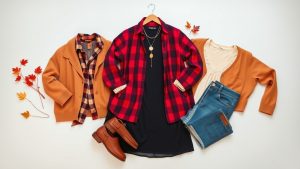
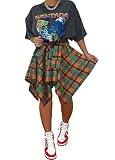
Temperature is the variable people underestimate. Crowded floors get hot fast, while arena air conditioning can be aggressive. The reliable answer is a removable layer: a light flannel tied at the waist, a cropped denim jacket, or a soft cardigan that packs small. A plus size flannel shirt doubles as a layer and a tie-around accent, and a cozy cardigan earns its place at seated shows.
Concert Outfit Formulas by Genre
You never have to dress to a genre’s stereotype, but leaning into the vibe is half the fun. Here are starting points you can adapt:
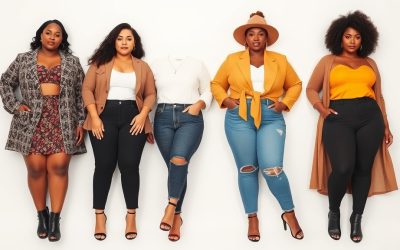
- Pop and arena shows: a statement top with comfortable bottoms. A structured corset top with high-waist jeans delivers main-character energy while staying secure through hours of dancing.
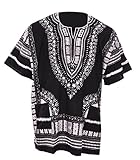
- Rock and indie: a graphic tee — band merch or otherwise — half-tucked into jeans, finished with boots. Add the flannel for instant texture.
- Country and Americana: denim on denim, a sundress with boots, or denim shorts with a knotted button-down for summer shows.
- R&B and intimate venues: elevated and sleek — a slip dress with a blazer, or wide-leg trousers with a fitted bodysuit.
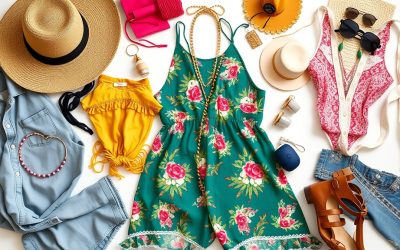
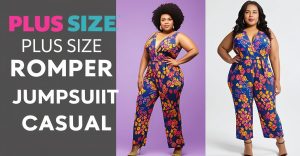
- Summer outdoor shows: a breezy romper solves the whole outfit in one piece and keeps you cool.
Whatever the genre, the formula is one expressive piece plus comfortable anchors. If the top is loud, keep the bottoms easy, and vice versa.
Fabrics and Fit Details That Survive a Long Show
Concert conditions are basically a stress test for clothing. Prioritize fabrics with stretch and breathability: cotton blends with a few percent spandex, ponte knits, and matte jersey all move with you and resist wrinkling when you are pressed into a crowd. Avoid anything that requires constant adjustment — strapless tops you have to hike up, skirts that ride, or waistbands that dig when you sit.
Fit details worth checking before the night: test your outfit sitting, standing, and with arms raised (you will be raising them). High-waist bottoms keep everything anchored while you dance; built-in shorts under skirts and dresses add security on stairs and crowded floors. Thoughtful seaming and thicker straps mean you can leave the night to the band, not your wardrobe. High-waist options like plus size high waist shorts are a warm-weather staple for exactly this reason.
Footwear: The Decision That Matters Most
Ask anyone who has done a standing-room show: shoes decide the night. Heels are almost never worth it unless you have a guaranteed seat. The best concert shoes share three traits — cushioning, traction on sticky venue floors, and a closed toe to protect you in crowds.
Sneakers are the default for good reason, and wide-width options mean no one has to suffer narrow toe boxes; see our picks for wide width sneakers that look as good as they feel. For fall and winter shows, a low-heeled ankle boot adds polish without sacrificing stability — the wide calf ankle boots guide covers pairs that handle a full night on concrete.
Accessories, Bags, and Final Logistics
Keep accessories minimal and secure. Skip dangling pieces that catch in crowds; choose stud earrings, layered necklaces that sit close, and a crossbody or belt bag that meets the venue’s size policy. A clear stadium-approved bag is worth owning if you attend big shows regularly.
Pack light but smart: phone, card, lip product, a hair tie, and earplugs — your future self will thank you for the earplugs. If you are traveling to the show, lay out a backup outfit option so weather changes do not derail the plan. And take the photos before you leave the house; pre-show lighting is always better than venue lighting.
Frequently Asked Questions
What should a plus size woman wear to a concert?
Build around one statement piece and comfortable anchors: a corset top or graphic tee with high-waist jeans, supportive sneakers or low boots, and a removable layer. Choose stretchy, breathable fabrics and test the outfit sitting, standing, and dancing before the night.
Are jeans or a dress better for a concert?
Both work. Jeans with stretch are the safer pick for standing-room floors and crowded venues, while a dress with built-in shorts or bike shorts underneath is great for outdoor and seated shows. Decide based on the venue, not the genre.
Can I wear heels to a concert?
Only if you have assigned seating and minimal walking. For standing shows, cushioned sneakers or block-heel ankle boots are far better choices — venue floors are long, sticky, and unforgiving.
How do I stay cool at a crowded show?
Choose breathable natural-blend fabrics, wear your hair up or pack a tie, and use a removable layer instead of a heavy base outfit. Sleeveless tops with secure straps and high-waist shorts or lightweight pants handle heat best.
What bag can I bring to a concert?
Most arenas restrict bags to small clutches or clear bags around 12 by 6 by 12 inches or smaller. Check the venue’s policy the day before, and default to a small crossbody or belt bag you can wear in front of your body in crowds.
Related Reviews & Guides



Plus Size Cami Built In Bra Tank Top Review

Plus Size Fashion Tips: The Ultimate Style Guide for Curvy Women