
Last Updated: September 18, 2026
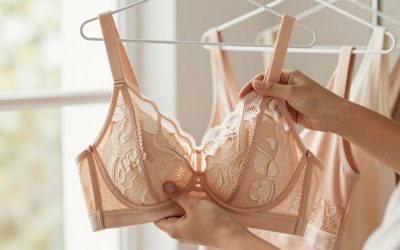
Choosing a plus-size sports bra is less about finding the tightest style and more about matching support to your body, activity, and comfort preferences. Many shoppers make the same mistakes: buying their everyday bra size without measuring, assuming “high impact” guarantees a secure fit, or choosing maximum compression for every workout. Others focus on removable pads or a low price while overlooking band stability, strap adjustment, and fabric recovery.
The right bra should hold your bust close to your body without restricting breathing, digging into your shoulders, or shifting during movement. Whether you are shopping for walking, strength training, yoga, or running, use the following guide to understand how to choose plus size sports bra support in 2026.
As an Amazon Associate we earn from qualifying purchases at no extra cost to you.


Decide These 3 Things First
- Your primary activity: Low-impact activities such as yoga and leisurely walking generally need light support. Cycling, weight training, dance, and brisk walking usually call for medium support. Running, jumping, aerobics, and court sports require high-impact support.
- Your preferred support method: Compression presses the breasts toward the chest, encapsulation supports each breast separately, and combination designs use both. Fuller busts often feel more secure in encapsulation or combination bras, especially for running.
- Your fit priorities: Decide whether you value a wide, firm band; adjustable straps; a front closure; soft, low-seam fabric; or maximum bounce control. You may need different features for different workouts.
Size and Fit
Accurate measurements are the foundation of support. Measure your rib cage directly under the bust while wearing a thin, unpadded bra. Keep the tape level and comfortably snug. Then measure the fullest part of your bust without pulling the tape tight. Use the brand’s chart rather than assuming a universal size, because plus-size sports bra sizing can range from 1X to 6X or from band-and-cup combinations.
A supportive band should sit level around your torso and remain in place when you raise both arms. It should feel firm but should not make breathing difficult. As a practical test, you should be able to slide two fingers beneath the band. If you can pull the band more than 2 inches away from your body, it may be too loose for high-impact use.
Check the cup area for overflow at the neckline, underarm, or center front. Wrinkled fabric or empty space can also indicate an incorrect size. The bra should contain breast tissue without forcing it upward or sideways. For a plus-size frame, look for band widths of approximately 2 to 4 inches, depending on the size range and support level. Wider bands generally distribute pressure more comfortably than narrow elastic.
Material and Moisture Control
Fabric affects cooling, stretch, odor, and how long the bra keeps its shape. A common performance blend is polyester with elastane or spandex. Look for approximately 70% to 85% polyester or nylon and 15% to 30% elastane when you want firm stretch and recovery. Nylon often feels smoother against the skin, while polyester can dry quickly and resist abrasion.
For hot-weather workouts, prioritize moisture-wicking fabric, mesh panels, and a lining that does not remain damp. A bra weighing roughly 5 to 10 ounces is often light enough for everyday exercise, although heavier high-support designs may include molded cups, thicker bands, or additional panels.
Soft seamless styles can be comfortable for yoga, stretching, and casual wear. However, a seamless bra with very light fabric may not provide enough control for running or jumping. Check the care instructions as well. Machine-washable fabric is convenient, but high heat can damage elastic. Washing in cold water and air-drying can help preserve stretch.
Construction and Support Features
Construction determines whether a bra stays stable when your body moves. For high-impact exercise, look for a combination of features rather than relying on one label.
- Encapsulated cups: Separate support for each breast can reduce side-to-side movement and create a more defined fit.
- Compression panels: Helpful for limiting forward movement, particularly when paired with structured cups.
- Wide straps: Straps around 1 to 1.5 inches wide usually spread pressure better than narrow straps.
- Adjustability: Two to four adjustment points let you fine-tune the fit as fabric stretches over time.
- Racerback or cross-back design: These can prevent straps from sliding, but make sure the center back does not pull uncomfortably on your neck.
- High side panels: Side coverage of approximately 3 to 5 inches can help contain breast tissue and reduce underarm spillover.
- Hook-and-eye closures: A back closure can make a firm bra easier to put on, especially when shoulder mobility is limited.
For larger busts, avoid judging support by padding alone. Removable pads can improve shape and modesty, but they do not necessarily reduce bounce. A stable band, shaped cups, and strong strap attachment matter more.
Comfort and Performance
Support should not come at the expense of movement. Before keeping a sports bra, perform a five-minute fit test at home. Walk briskly, reach overhead, twist your torso, bend forward, and mimic a few low-impact jumps. The band should not roll, the straps should not fall, and the cups should not shift away from the bust.
For walking, yoga, and mobility work, light-to-medium support with a wide underband may be sufficient. For lifting, look for a design that stabilizes without limiting shoulder movement. For running or high-impact classes, choose a bra with firm encapsulation or combination support and a band that remains level during repeated movement.
Pay attention to pressure points. Seams should lie flat, armholes should not cut into breast tissue, and the center front should sit close to the sternum without digging in. If you notice numbness, tingling, chafing, or restricted breathing after 10 to 15 minutes, the bra is too tight, poorly shaped for your body, or both.
Price Tiers
Price can help set expectations, but it is not a substitute for fit. Budget sports bras typically cost about $10 to $20. A seamless yoga bra with removable pads, such as a style around $9.99, may work well for light exercise or layering. At this level, expect fewer adjustment points, lighter fabric, and less structured support.
Mid-range options generally cost $20 to $40. Examples include supportive large-bust styles around $24.79 or adjustable high-impact designs near $28.99. This tier commonly offers stronger elastic, wider straps, better moisture control, and more useful size ranges.
Premium sports bras often cost $40 to $80 or more. They may include separate molded cups, reinforced panels, specialized band construction, and more extensive size and cup options. Pay for features that solve a specific problem, such as bounce, chafing, or difficult fastening, rather than simply choosing the most expensive label.
Warranty, Returns, and Wear Life
Sports bras are intimate apparel, so return policies vary. Before buying, confirm whether unworn items can be returned within 30 days and whether tags must remain attached. For online purchases, check whether the seller accepts a size exchange rather than offering only store credit.
A formal warranty is less common for apparel than for furniture or electronics, but some brands cover manufacturing defects for 30 to 90 days. Look for clear language about failed seams, broken clasps, or defective elastic. Normal stretching, washing damage, and wear from repeated use are usually excluded.
Replace a frequently worn sports bra approximately every 6 to 12 months, or sooner if the band rides up, the fabric stays stretched, or bounce increases. A bra used once a week may last longer than one worn four times weekly. Rotating at least two or three bras can reduce elastic fatigue.
Delivery and Try-On Details
Delivery matters because fit is difficult to judge from a product photo. Look for an estimated arrival window of about 3 to 10 business days, clear size-chart measurements, and a seller that identifies the actual return address. Marketplace listings may show several colors or sizes shipping from different locations, so confirm that your selected size is available before checkout.
When the bra arrives, try it on indoors over clean skin and keep tags attached until you have completed your movement test. Do not remove protective liners or wash the garment before deciding whether it fits. If you need a larger size, a different cup shape, or a longer band, start the exchange promptly rather than hoping the fabric will loosen into a better fit.
Spec Checklist
| Spec | Budget | Mid | Premium |
|---|---|---|---|
| Typical price | $10–$20 | $20–$40 | $40–$80+ |
| Best use | Yoga, walking, casual wear | Training, lifting, brisk walking | Running, jumping, frequent workouts |
| Support structure | Compression or light lining | Compression plus structured panels | Encapsulation or combination support |
| Straps | Usually fixed; about 0.75–1 inch | Adjustable; about 1–1.5 inches | Fully adjustable; often 1–1.5 inches |
| Band | About 1.5–2.5 inches | About 2–3.5 inches | About 3–4 inches, often reinforced |
| Fabric target | Soft stretch; 8%–20% elastane | Wicking blend; 15%–25% elastane | Technical blend; 20%–30% elastane with mesh or lining |
| Return window to seek | At least 14 days | At least 30 days | 30–60 days or fit guarantee |
Red Flags
- The listing gives only S, M, and L sizing with no bust or underbust measurements.
- “High impact” appears in the name, but the product has thin straps, a narrow band, and no structured cup information.
- Reviews repeatedly mention rolling bands, straps slipping, or excessive bounce.
- The fabric is see-through when stretched or the seams pull apart at the largest listed size.
- The seller does not explain returns, exchanges, delivery timing, or final-sale restrictions.
- Removable pads are presented as the main support feature without details about the band or construction.
FAQ
Should a plus-size sports bra feel tight?
It should feel secure, not painful. The band should stay level, allow two fingers underneath, and permit normal breathing. If you feel numbness, pinching, or pressure after 10 to 15 minutes, try a different size or construction.
Is compression or encapsulation better for a larger bust?
Either can work, but encapsulation or combination designs often provide more controlled support for running and jumping. Compression styles may be comfortable for yoga, walking, and low-impact training.
How many sports bras should I own?
Two or three is a practical starting point if you exercise regularly. Rotating them allows elastic to recover and gives each bra time to dry fully between washes.
Can a low-cost sports bra provide enough support?
Yes, especially for low-impact activities. For high-impact workouts, inspect the band, straps, cups, and return policy carefully. A $17 bra with the right structure can outperform a more expensive style that does not fit.
Ready to decide? Our #1 pick for 2026 is the Typical price.
Live price & availability on Amazon.
Related Reviews & Guides

6 Best Plus Size Dress Clothes For Wedding 2026
6 Best Brown Dresses For Plus Size 2026