
Last Updated: November 4, 2026
Coach sandals are generally worth considering if you want a polished, logo-friendly warm-weather shoe that pairs easily with dresses, shorts and tailored pants, and Coach heels make sense when you want a dressier step up from the brand’s handbags. Comfort, though, depends far more on the specific style and your foot shape than on the name on the footbed.
This guide covers sandals, heels, platforms and a few neighboring categories (sneakers and loafers) from a fit-and-comfort angle. It is written as independent buying guidance from widely known information, not a product test, and it is independent of Coach. Footwear lines change often, so use the current listing for exact materials, heel heights and size details.
Quick Answer
- Flat sandals and slides are the easiest entry point for daily wear, especially if you have a wider foot or need adjustable straps.
- Heels and platforms look dressier but take more planning: check heel height, toe shape and whether the strap adjusts.
- Platform styles distribute weight differently from stilettos, which many people find steadier for longer wear.
- Sizing varies across styles; use the size chart on the listing and read any width notes before ordering.
- Expect a short break-in period for leather straps and footbeds.
As an Amazon Associate we earn from qualifying purchases at no extra cost to you.
Sorting the Sandal Styles
When shoppers type “coach sandals” they are really asking about a collection of very different shoes. Sorting them by structure helps narrow things down quickly.
| Style | Typical shape | Best for | Watch-outs |
|---|---|---|---|
| Slides | Open back with one or two wide straps | Casual days, travel, pool-side | Toes grip to keep them on; strap width matters on wider feet |
| Flat strappy sandals | Thin or crossed straps, often with ankle strap | Dresses and cropped pants | Straps can rub at the toe or heel |
| Platform sandals | Thicker sole with lifted heel | Height without a steep angle | Heavier on the foot; sole flex varies |
| Block-heel sandals | Wider heel base | Events and work | Heel height varies widely |
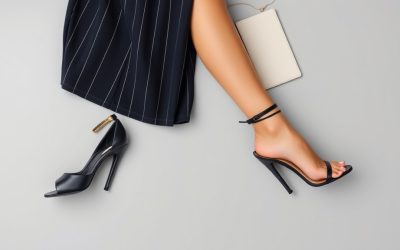
| Heeled sandals and pumps | Narrower heel and often a pointed toe | Dressy occasions | Less stable on uneven surfaces |
Sandals: What to Check for Comfort
Strap placement
The most important detail in any sandal is where the straps land on your foot. A strap that crosses the widest part of the foot should have a little give, either through an adjustable buckle or a softer material. A toe strap that is too narrow can dig in; a toe strap that is too wide can slide around. Slides depend on a wide, supportive upper band to keep the foot steady.
Footbed and sole
A contoured or cushioned footbed makes a difference over a full day. Leather-lined footbeds usually soften with wear, while stiff soles may take longer to flex. If walking is the plan, look for notes about a rubber outsole or a textured base, because smooth leather soles can be slippery on wet tile.
Sizing and the wide-foot question
Coach footwear is typically listed in standard US sizes, and many styles do not come in separate widths. If you have a wider foot, look for open styles, adjustable buckles or elastic elements, and think about whether you would rather size up in a style with a sturdy strap. Check the size chart and any fit comments on the listing, and confirm the return terms so you can swap a size if needed. Measuring your foot at the end of the day, when it is at its largest, is a reliable habit.
Heels: Height, Base and Balance
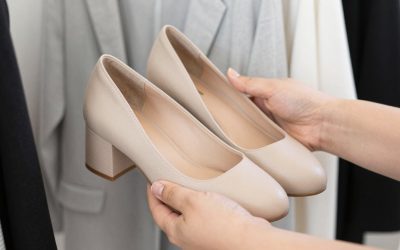
For Coach heels, think about three details. First, heel height as it is listed; a few centimeters can change how a shoe feels when walking. Second, the heel base: block and sculpted bases spread pressure, while thin heels concentrate it. Third, the toe box: pointed fronts look sleek but squeeze the sides of the foot, and rounder or squared toes are friendlier to broad forefeet.
A good test at home is to walk across a hard floor and a carpet, stand still for five minutes, and note where pressure builds. Wear them for short periods before committing to an all-day event.
Sneakers and Loafers
These often appear in searches beside sandals and heels, and they solve a different problem. Sneakers provide cushioning and support for walking days, while loafers give a polished flat for work. In both cases, check closure type (laces versus slip-on), padding around the ankle, and whether the shoe has a removable insole if you use your own orthotics.
Outfit Pairing
Flat Coach sandals and slides go well with relaxed dresses, wide-leg linen and cropped denim. Platforms can balance longer hemlines and wide trousers, because the thicker sole reads as part of the outfit instead of an afterthought. Heels suit tailored pieces, midi skirts and evening looks. Neutral colors, such as black, tan and cream, are the simplest to wear repeatedly, and metallic or bright shades work best when the rest of the outfit is quiet.
Break-In Notes
- Wear new leather straps with thin socks for an hour at home first, if the style allows.
- Protect friction points with a small blister bandage before a long day.
- Rotate pairs so leather has time to rest and dry.
- Keep suede or light leather away from rain; follow the care tag for the exact material.
Searches That Wander: Flat Wallets and Luggage
Some phrases near the footwear searches are really about accessories. A Coach flat wallet or a flat card case is a slim leather piece designed for a pocket or a small bag; check the card slots and whether there is a coin pouch. A flat card holder is the leanest option. Coach luggage with wheels is a separate travel category, so look at wheel type, handle height and weight when empty if you are thinking about it. These are different purchases from shoes, so compare them within their own categories.
When a listing shows a lower figure or a reduced offer, check the current listing for the exact terms and make sure it is the same style and size you want. Do not assume a markdown applies to every size or color.
How to Choose
- Match the shoe to your day. Count the hours on your feet and the surfaces you will walk on.
- Check the straps and adjustability. More adjustment points make it easier to fit a high instep, wide forefoot or fuller ankle.
- Look at closure type. Buckles, elastic and slip-ons behave differently as feet swell in warm weather.
- Check inner padding and lining. Leather linings tend to be gentler than rough synthetics.
- Read the material and care notes. Smooth leather, suede and coated fabrics need different treatment.
- Consider weight. Platforms and thick soles are heavier than they look.
- Inspect hardware. Metal logos or buckles can warm up in the sun and can rub if they sit against skin.
A note on authenticity: counterfeits copy surface details such as logos and sole patterns, so no single feature proves a pair is genuine or fake. The safest route is an authorized seller with clear return terms.
Who Should Skip It
- Skip narrow-strap heels if you need firm arch support or have foot conditions that require supportive shoes; consult a podiatrist for advice that fits your needs.
- Skip fashion-forward platforms if you will be walking on uneven ground or stairs for long periods.
- Skip the purchase altogether if you cannot confirm the size chart or return terms; fit is the biggest risk with any online shoe order.
Frequently Asked Questions
Are Coach sandals comfortable for walking?
It depends on the style. Flat sandals with cushioned footbeds and adjustable straps are generally easier to walk in than thin-strap or heeled versions.
Do Coach shoes run true to size?
Sizing can vary by style and material, so rely on the size chart for the specific pair. If you are between sizes, shoppers often choose the larger one in open styles; verify with the listing’s fit comments.
How do I break in leather sandals?
Wear them for short periods first, use blister bandages where straps rub, and let them rest between wears. Leather generally softens with use.
Are platform sandals easier to wear than heels?
Many people find platforms steadier because the front sole reduces the slope of the foot. They can be heavier, so consider the weight and flexibility of the sole.
Related Reviews & Guides


4 Best Plus Size Rain Jackets for Hiking: 2026 Buyer’s Guide

11 Best Plus Size Life Jacket PFDs for Kayaking