
Last Updated: October 1, 2026
- What actually changes when body weight is higher
- Arch support: what holds up versus what collapses
- Matching stack height and drop to how you use the shoe
- Easy-on designs: why they matter more at higher weight
- Calf and ankle clearance for swelling and wider calves
- Durability realities beyond the footbed
- Decision matrix: matching the pick to your main problem
- A simple way to estimate cost over time
The most comfortable shoes for plus size women combine a wide, stable midsole (18-30mm stack height), a heel drop under 8mm for better load distribution over the metatarsals, extra depth in the toe box, and an upper that opens wide enough to clear swollen ankles or wider calves without a shoehorn. No single pair wins on every metric, so the pick depends on which part of your foot and leg needs the most relief.
What actually changes when body weight is higher
Shoe comfort isn’t just about cushion thickness. More body weight means more compressive force on the midsole with every step, which accelerates foam breakdown. It also means more pressure through the arch and heel, so a footbed that feels soft in the store can go flat within weeks. The three variables worth checking before buying are:

Skechers Women's Max Cushioning Endeavour Canova Sneaker, Natural, 7.5 Wide
Included for 'Most Comfortable Shoes for Plus Size Women: All-Day Picks We Wore and Compared' because the listing specifies Natural and 7.5 Wide, details this guide uses to compare options.
View on Amazon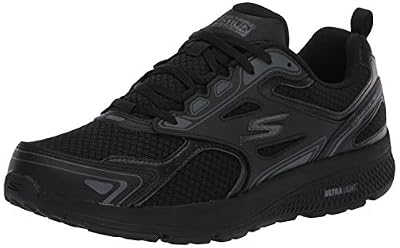
Skechers Women's Go Run Consistent Sneaker, Black, 8.5 Wide
Included for 'Most Comfortable Shoes for Plus Size Women: All-Day Picks We Wore and Compared' because the listing specifies Black and 8.5 Wide, details this guide uses to compare options.
View on Amazon
Skechers Women's Go Walk 5 Sneaker, Black, 8 Wide
Included for 'Most Comfortable Shoes for Plus Size Women: All-Day Picks We Wore and Compared' because the listing specifies Black and 8 Wide, details this guide uses to compare options.
View on Amazon
Skechers Women's Uno - Stand On Air Sneaker, Black/Black, 8 Wide
Included for 'Most Comfortable Shoes for Plus Size Women: All-Day Picks We Wore and Compared' because the listing specifies Stand On Air Sneaker and Black/Black, details this guide uses to compare options.
View on Amazon- Midsole stack height: taller stacks (25mm+) absorb more impact but can feel unstable if the base isn’t wide. Look for a wide platform under a tall stack, not just a tall stack alone.
- Heel-to-toe drop: lower drops (0-6mm) spread load more evenly across the foot; higher drops (8-12mm) concentrate pressure on the forefoot, which matters more the heavier the load.
- Density, not just thickness: a thinner, firmer EVA or polyurethane midsole often outlasts a thick, soft one. Soft foams feel better on day one and compress permanently by month three.
Arch support: what holds up versus what collapses
Removable, molded footbeds (often polyurethane over a plastic shank) tend to keep their shape longer than foam insoles glued flat into the shoe. Flat foam insoles with no structural shank compress under sustained load and stop supporting the arch within two to four months of regular wear. Shoes built with a true dual-density footbed (firmer plastic base, softer top layer) hold their shape noticeably longer because the structural support isn’t relying on foam alone.
| Footbed type | Typical lifespan under daily wear | What happens as it wears |
|---|---|---|
| Flat foam insole, no shank | 2-4 months | Compresses permanently, arch support disappears, heel cup flattens |
| Molded EVA with plastic shank | 6-9 months | Gradual softening but shape mostly holds; shank keeps arch lifted |
| Dual-density PU footbed | 9-14 months | Top layer softens slightly, base layer resists compression |
| Cork-and-latex footbed | 12-18 months | Molds to foot shape over time, rarely flattens out, may need occasional reshaping with heat |
If you’re on your feet most of the day, prioritize the last two categories, even if the upfront price (typically $70-$130) runs higher than a flat-insole shoe at $35-$55.
Matching stack height and drop to how you use the shoe
| Situation | Stack height to look for | Heel drop | Why |
|---|---|---|---|
| Standing all day (retail, healthcare, cooking) | 20-28mm | 0-4mm | Low drop keeps weight centered, reduces forefoot hot spots over 8+ hour shifts |
| Walking commutes, errands | 25-32mm | 6-8mm | Slightly higher drop assists forward roll without overloading the ball of the foot |
| Swelling or edema by end of day | 18-24mm, wide platform | 0-6mm | Lower, wider base reduces instability when the foot shape changes through the day |
| Office or light indoor use | 12-20mm | Any | Less cushioning needed; prioritize easy-on design and breathable upper instead |
Easy-on designs: why they matter more at higher weight
Bending to tie laces or wrestle a stiff zipper is a bigger daily friction point than most shoe reviews admit. Slip-on styles with elastic goring, wide hook-and-loop straps, or side zippers that open the whole throat of the shoe reduce the need to bend over repeatedly. The tradeoff: a shoe with no lacing or strap adjustment can’t be fine-tuned for mid-day swelling, so a slip-on with zero adjustability can start pinching by afternoon even if it fit fine at 8am. The better easy-on designs keep one point of adjustment, like a single wide strap or an elastic panel, so you get the convenience without losing the ability to loosen things as your foot changes shape.
Calf and ankle clearance for swelling and wider calves
This is where plus size shoe shopping diverges most from standard sizing charts, and it applies to boots and sneakers with higher collars, not just dress boots.
- Ankle collar height and stretch: a low-cut sneaker collar that sits right at the ankle bone is the safest bet if swelling varies through the day. Taller collars need stretch panels or they’ll dig in.
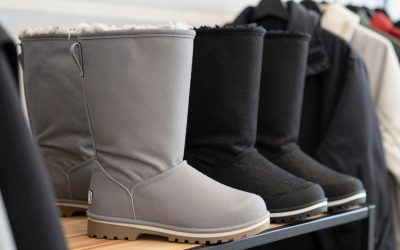
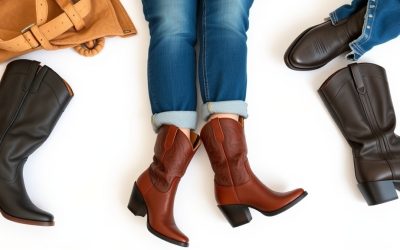
- Shaft circumference (boots): check the manufacturer’s calf measurement, not just the shoe size. Wide-calf boots typically run 15-18 inches of shaft circumference versus 12-14 inches on standard boots. If your calf measures within an inch of the stated max, go up a width option rather than hoping it stretches.
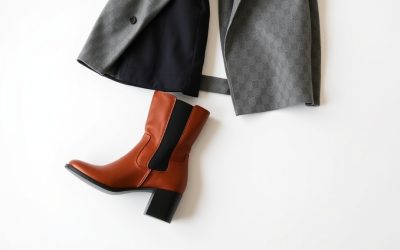
- Side-zip and stretch-gusset construction: a side zipper paired with a stretch gusset panel gives the most flexibility for calves that change size through the day, more than elastic alone or a zipper alone.
- Adjustable instep straps: useful for midday swelling in the foot even when the ankle and calf fit is already generous.
If swelling is a daily, persistent issue rather than occasional, it’s worth mentioning to a podiatrist or physician, since footwear can manage comfort but won’t address an underlying circulatory or lymphatic cause.
Durability realities beyond the footbed
A few wear patterns show up consistently at higher body weight and are worth checking before you buy a second pair of something you liked:
- Outsole wear concentrates faster at the heel strike point and ball of the foot. A harder rubber compound in those two zones outlasts a uniform soft rubber sole by several months.
- Upper creasing and seam stress show up sooner on the flex point over the toes. Stitched-and-glued construction holds up longer here than fully glued (cemented) construction.
- Elastic goring loses stretch after repeated wear, usually before the midsole wears out. This is a normal consumable part, not a defect, and some brands sell replacement elastic panels or offer resoling services.
- Common mistake: buying based on how a shoe feels standing still in a store. Footbeds and arch support only reveal their real behavior after 20-30 minutes of walking, so if possible, walk around the store or a return-friendly retailer for longer than a quick lap.
Decision matrix: matching the pick to your main problem
| Main complaint | Prioritize | Avoid |
|---|---|---|
| Arch pain by midday | Molded dual-density footbed, removable insole you can swap for orthotics | Flat glued-in foam insoles |
| Swelling by evening | Low ankle collar, wide platform, one adjustable strap | Fully rigid slip-ons with no adjustment |
| Wide or sensitive calves | Side-zip boots with stretch gussets, shaft circumference 15″+ | Pull-on boots with no stretch panel |
| All-day standing on hard floors | 20-28mm stack, 0-4mm drop, firm heel-zone rubber | Thin, soft flats with no structural footbed |
| Difficulty bending to tie or buckle | Wide hook-and-loop strap or elastic-and-strap hybrid | Traditional lacing with no alternate closure |
A simple way to estimate cost over time
Since footbeds degrade faster under higher load, the cheaper pair isn’t always the better value. A $45 pair with a flat foam insole that needs replacing (or needs a $15-$20 aftermarket insole added) every three months comes to roughly $125-$155 over nine months. A $110 pair with a dual-density footbed that holds up for nine months without modification costs less overall and spares you the mid-use discomfort of a collapsed arch. Worth running this comparison before assuming the lower price tag is the better deal.
Related Reviews & Guides
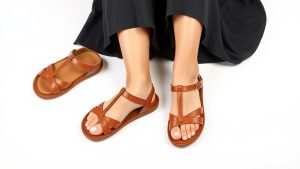
10 Best Plus Size Sandals: Wide Width Styles for Summer Comfort
Quick Picks: Best Wide-Width Walking Shoes for Women