Last Updated: September 7, 2026
- Top Plus Size Walking Shoes — Wide Width
- Understanding Shoe Width Sizing
- What Plus Size Walkers Need from a Shoe
- Best Brands for Plus Size Wide Walking Shoes
- Walking Shoes vs. Running Shoes for Plus Size Use
- Orthotics and Insole Upgrades for Plus Size Walkers
- FAQ: Plus Size Walking Shoes Wide Width
- Frequently Asked Questions
- Related Articles
- Related Guides

TL;DR: Plus size walking shoes with wide widths need to accommodate wider feet, higher instep, and the additional impact load that comes with carrying more weight. Look for 2E (wide) or 4E (extra wide) sizing, cushioned midsoles rated for high-impact use, and roomy toe boxes. Weight capacity isn’t listed for shoes — but sole durability and support ratings tell you what you need to know.
Best Plus Size Walking Shoes with Wide Width: Comfort Built for Real Feet
Standard shoe widths (D for men, B for women) fit a narrow range of foot shapes. For plus size walkers — who often have wider feet, higher arches, and need more cushioning to manage joint impact — standard sizing is not just uncomfortable, it’s damaging. Blisters, bunions, plantar fasciitis, and knee pain are all downstream effects of shoes that don’t fit.
As an Amazon Associate we earn from qualifying purchases at no extra cost to you.




The market has caught up. Wide and extra-wide walking shoes from serious athletic brands now offer genuine support, not just a little more room. Here’s what to look for and what delivers.
🛒 Best Price Today on Amazon
Prime members get fast, free shipping on everything above, plus member-only deals. New members get a 30-day free trial — cancel anytime.
Start 30-Day Prime Free Trial →See Today’s Amazon DealsTop Plus Size Walking Shoes — Wide Width

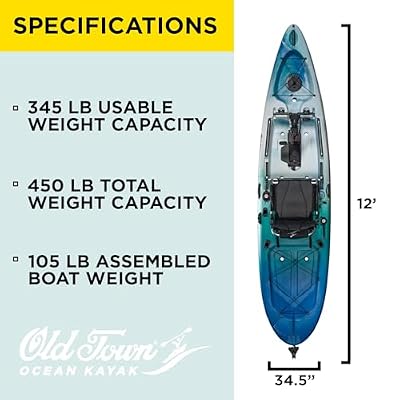
Old Town Ocean Kayak Malibu Pedal Solo Sit-on-Top Recreational Pedal Kayak, 12 ft, Horizon




As an Amazon Associate we earn from qualifying purchases. Product prices and availability are accurate as of the date/time indicated.


As an Amazon Associate we earn from qualifying purchases. Product prices and availability are accurate as of the date/time indicated.

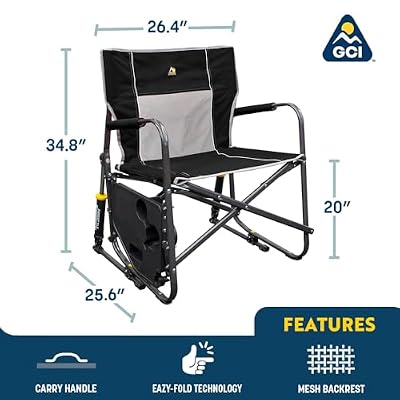
GCI Outdoor Freestyle Rocker XL with Side Table Camping Chair | Portable Folding Rocking Chair with Solid, Durable Armrests, Drink Holder & Comfortable Backrest — Black



As an Amazon Associate we earn from qualifying purchases. Product prices and availability are accurate as of the date/time indicated.
Understanding Shoe Width Sizing
Shoe widths follow a letter system that most people never learn until they need it:
| Width Code | Women’s | Men’s | Description |
|---|---|---|---|
| AA / 2A | Narrow | — | Very narrow |
| B | Standard | Narrow | Average women’s width |
| D | Wide | Standard | Average men’s width |
| 2E / EE | Extra Wide | Wide | First true wide option |
| 4E / EEEE | — | Extra Wide | For significantly wider feet |
| 6E | — | Ultra Wide | Diabetic/orthopedic sizing |
For most plus size walkers who simply have wider feet: start with 2E (women) or 2E (men). If you’ve been buying regular wide and they’re still tight: move to 4E. If you have foot conditions like bunions, edema, or diabetic neuropathy: 6E or diabetic-specific shoes are the right category.
What Plus Size Walkers Need from a Shoe
Beyond width, plus size walkers have specific biomechanical needs that standard athletic shoes don’t address:
- High-density midsole foam. Standard EVA foam compresses quickly under higher body weight. Look for dual-density midsoles, TPU plates, or ASICS Gel / Brooks DNA / New Balance Fresh Foam technologies that maintain cushioning over time.
- Reinforced heel counter. The heel counter is the rigid structure that cups your heel. It needs to be stiffer for plus size use to prevent overpronation and heel slippage.
- Wide toe box. Not just wide at the ball of the foot — the toe box needs room for toes to splay naturally during push-off. Cramped toes cause nerve pain and exacerbate bunions.
- Removable insoles. Most wide-width shoes come with standard insoles. Replacing them with orthotics designed for your specific arch type makes a significant difference in comfort and joint protection.
- Outsole durability. High-carbon rubber outsoles last longer than blown rubber under heavier impact loads. Check for carbon rubber at the heel strike zone specifically.
Best Brands for Plus Size Wide Walking Shoes
Not all athletic brands offer genuine wide-width options. These brands consistently deliver:
- New Balance: The most comprehensive wide-width lineup in the industry. Offers 2E and 4E in almost every model, with consistent sizing across the line. Their 990 and 1080 series are benchmarks for plus size walking.
- Brooks: Excellent for overpronation control. Their Adrenaline GTS series comes in 2E and 4E and is a favorite among plus size walkers with flat feet.
- ASICS: Strong cushioning technology (Gel pods) and multiple width options. The Kayano and GT-2000 series offer 2E in most sizes.
- Saucony: Good wide options in the Echelon and Omni lines. Slightly narrower last shape than New Balance — size up half a size.
- Hoka: Maximal cushioning design is excellent for joint protection. Their wide options are in 2E primarily — the thick stack height compensates for some lateral stability issues.
Walking Shoes vs. Running Shoes for Plus Size Use
Walking and running shoes are engineered differently, and this matters for plus size use:
- Walking shoes have a flatter, more flexible sole that allows the natural heel-to-toe roll of walking. The cushioning is distributed more evenly. They tend to be heavier but more durable for everyday walking.
- Running shoes are designed for heel-strike impact, are usually more cushioned at the heel, and often have more aggressive midsole technology. For high-impact walking or people who are walking for fitness, a running shoe designed for plus size use often outperforms a dedicated walking shoe.
Bottom line: if you’re doing neighborhood walks or casual daily wear, a dedicated wide-width walking shoe is fine. If you’re doing 5,000+ steps per day for fitness, look at running shoes in wide width — they’re built for the impact load.
If your walking adventures are heading onto trails, also check our guide to plus size hiking boots in wide width — trail-specific outsoles and ankle support make a big difference on uneven terrain.
Orthotics and Insole Upgrades for Plus Size Walkers
The insoles that come with even premium athletic shoes are often inadequate for plus size use. An aftermarket orthotic insert can transform a decent shoe into an excellent one:
- Superfeet Green/Black: High-arch support with a deep heel cup. The “Black” version is specifically designed for higher-volume feet (common in plus size sizing).
- Powerstep Pinnacle: Dual-layer foam with firm arch support. Good for plantar fasciitis and overpronation, both common in plus size walkers.
- Custom orthotics: If over-the-counter options aren’t solving foot pain, a podiatrist-fitted custom orthotic is worth the investment. Many insurance plans cover them for documented foot conditions.
When adding orthotics to wide-width shoes, size up half a shoe size to accommodate the added volume of the insert. This is especially important if the shoe is already at the wide end of its size range.
FAQ: Plus Size Walking Shoes Wide Width
What walking shoes are best for plus size women with wide feet?
New Balance Women’s 1080 (2E or 4E) and Brooks Adrenaline GTS (2E) are consistently top-rated for plus size women. Both offer genuine wide-width construction (not just a wider-feeling standard last), strong heel support, and cushioning that holds up over time. ASICS Gel-Kayano in 2E is also excellent for women who overpronate.
What does 4E mean in shoe width?
4E (also written EEEE) is extra-wide, two steps above the standard men’s width (D) and three steps above standard women’s width (B). It accommodates significantly wider feet, high instep, and foot conditions like bunions and edema. For reference: 2E is wide, 4E is extra wide, 6E is ultra-wide (primarily diabetic/orthopedic sizing).
Do wide width shoes help with plantar fasciitis?
Width alone doesn’t resolve plantar fasciitis, but a wide shoe that allows for proper orthotic inserts — and doesn’t compress the midfoot — removes a significant aggravating factor. Pair wide-width shoes with arch-support insoles, avoid walking barefoot on hard floors, and choose shoes with a slightly elevated heel (10–12mm heel-to-toe drop) to reduce plantar fascia tension.
How often should plus size walkers replace their walking shoes?
Athletic shoes are typically rated for 300–500 miles of use. For plus size walkers, lean toward the lower end of that range — 300–400 miles — because midsole compression happens faster under higher impact loads. If you’re walking 10,000 steps per day (~5 miles), that’s a new pair roughly every 2–3 months. Check the midsole (the material between the outsole and upper) — if it feels firm rather than springy when you press it, the cushioning is compressed and it’s time to replace.
Are slip-on wide walking shoes available for plus size people?
Yes. Skechers Go Walk series, Hoka Bondi Slip, and several New Balance slip-on models come in wide widths. The tradeoff versus lace-up shoes is slightly less heel lockdown — if you overpronate or have heel instability issues, lace-up shoes with a reinforced heel counter are the better medical choice. For casual walking and daily wear, slip-ons in wide width are a practical and comfortable option.
For more outdoor adventure footwear, check our guides to plus size wide hiking boots and plus size waterproof rain boots. For activewear to pair with your new shoes, our plus size yoga pants and leggings guide covers comfortable, supportive bottoms for walking workouts.
Frequently Asked Questions
What do the width letters actually mean?
For women, B is standard, D is wide, and 2E or 4E is extra wide; for men, D is standard, 2E is wide, and 4E or 6E is extra wide. Each width step adds roughly a quarter inch across the ball of the foot. Measure your foot width in the afternoon when it is at its largest and compare to the brand chart.
Should I size up instead of buying a wide?
No. Going up a full size adds about a third of an inch of length but only a small amount of width, so the shoe slips at the heel while still pinching the forefoot. Buying the correct width in your true length is what stops bunion pressure, numb toes, and blisters on long walks.
How much cushioning and support do I need?
Look for a firm, supportive midsole rather than the softest possible foam, which compresses too far and lets the foot roll. A shoe with a stability post or a wide, flared base gives better control. A rocker sole reduces push-off effort and is often the single most comfortable feature for long-distance walking.
How long should walking shoes last?
Most midsoles are done at 300 to 500 miles, and higher body weight compresses foam faster, so expect the lower end of that range. Watch for the outsole tread wearing smooth or the midsole developing compression creases. Rotating two pairs gives the foam 24 hours to rebound between wears and measurably extends the life of both.
How do I clean them and what if the width is wrong?
Remove the insoles, brush off dirt, and hand wash uppers with mild soap and cool water; air dry away from heat, which shrinks glued seams. Most retailers accept returns within 30 to 60 days if you have only worn them indoors, so walk on carpet at home for a day before committing.
Ready to decide? Our #1 pick for 2026 is the AA / 2A.
Live price & availability on Amazon.
Related Reviews & Guides

11 Best Plus Size Trench Coats: Classic Style for Curves
Plus Size Velvet Blazer Formal Stretch Review