
Last Updated: September 7, 2026
- Top Plus Size Flat Shoes for Wide Comfort
- What to Look For in Plus Size Flat Shoes for Wide Feet
- Plus Size Flat Shoe Width Sizing Guide
- Types of Plus Size Flat Shoes: Which Style Fits Your Day
- How to Measure Your Feet Correctly for Plus Size Wide Shoes
- FAQ: Plus Size Flat Shoes for Wide Comfort
- Frequently Asked Questions
- Related Guides

TL;DR: Plus size flat shoes for wide feet need a true wide or extra-wide width (2E/4E) — not just a larger standard size. Going up in length to compensate for width causes heel slippage, arch misalignment, and toe-box crowding simultaneously. Look for shoes labeled W, WW, 2E, or 4E with a wide toe box, padded insole, and structured arch support to carry heavier load without foot fatigue.
Best Plus Size Flat Shoes for Wide Feet: Comfort, Support, and Real Width
Most flat shoe sizing maxes out at a standard width — and then stops. If you’re plus size with wider feet, you’ve likely experienced the frustrating reality of finding your length in stock but not your width, or being told to “just size up.” Sizing up in length to gain width is a trap: you get more toe room but lose heel fit, and your foot slides forward on every step, compressing the toes against the front of the shoe and creating pressure points exactly where the shoe is supposedly widest.
As an Amazon Associate we earn from qualifying purchases at no extra cost to you.
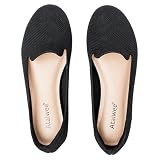


Flat shoes for plus size bodies carry additional load compared to the same shoe on an average frame. That means the insole compresses faster, the arch support matters more, and materials that flex adequately at lower weights may feel rigid and unyielding. A genuinely comfortable plus size flat shoe accounts for both the width dimension and the support architecture — here’s how to find one that works.
Top Plus Size Flat Shoes for Wide Comfort

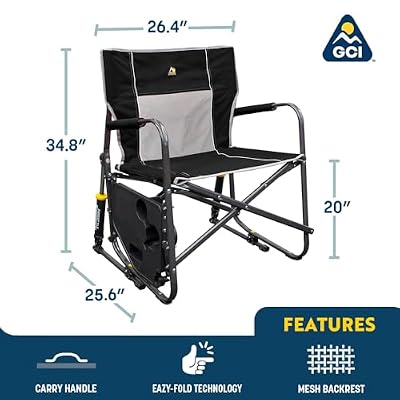
GCI Outdoor Freestyle Rocker XL with Side Table Camping Chair | Portable Folding Rocking Chair with Solid, Durable Armrests, Drink Holder & Comfortable Backrest — Black



As an Amazon Associate we earn from qualifying purchases. Product prices and availability are accurate as of the date/time indicated.

Sherpa Hiking Hydration Backpack – 22L Hiking Backpack with Water Bladder, Phone Compartment, Waterproof Zippers & Trekking Pole Holders


As an Amazon Associate we earn from qualifying purchases. Product prices and availability are accurate as of the date/time indicated.
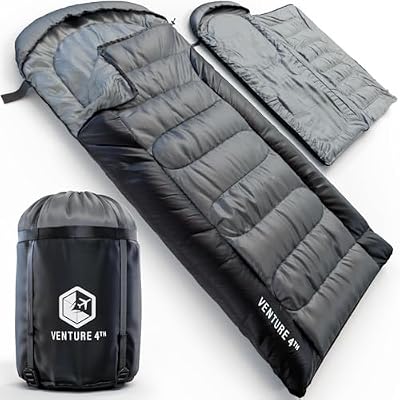


As an Amazon Associate we earn from qualifying purchases. Product prices and availability are accurate as of the date/time indicated.
What to Look For in Plus Size Flat Shoes for Wide Feet
Width, support, and materials all interact when you’re carrying more weight on your feet. Here are the specs that separate a shoe that works from one that just fits on the shelf:
- True wide width labeling (W, WW, 2E, 4E): Only buy from brands that explicitly size in wide widths. A standard shoe in a larger size does not provide the same fit as a wide-width shoe in your correct length. The difference is in the toe box width, the ball-of-foot measurement, and the midfoot girth — all of which are cut differently in a width-graded last versus a standard last scaled up.
- Structured arch support: Plus size flat shoes carry more vertical load than the same model would on a lighter frame. A cushioned flat with no arch structure compresses to a near-zero support position quickly, contributing to plantar fasciitis, heel pain, and general foot fatigue. Look for a contoured footbed or a removable insole that you can replace with an orthotic if needed.
- Padded collar and tongue: Wide feet often have higher instep as well — the top of the foot is fuller, not just the sole measurement. A padded tongue and collar prevents the instep pressure that creates the red marks and end-of-day swelling many plus size women experience with standard flat shoes.
- Flexible but supportive outsole: Rigid soles don’t flex with your foot’s propulsion cycle, creating impact loading at the heel and ball. Flexible rubber or EVA outsoles that bend naturally at the ball of the foot reduce fatigue on longer walks. The flexibility should happen at the widest part of the shoe, not at the arch — a shoe that bends mid-arch is under-supported.
- Non-slip outsole: For plus size wearers, traction matters more due to higher load at each footfall. A slip on tile or a wet surface carries more consequence. Patterned rubber outsoles with adequate lug depth prevent slipping on smooth indoor and outdoor surfaces alike.
Plus Size Flat Shoe Width Sizing Guide
| Width Code | Women’s Width Name | Best For | Ball-of-Foot vs. Standard |
|---|---|---|---|
| B (standard) | Regular/Medium | Average-width feet | Baseline |
| D or W | Wide | Mildly wide feet, some bunion presence | +3–4 mm |
| 2E or WW | Extra Wide | Wide feet, high instep, mild swelling | +6–8 mm |
| 4E or WWWW | Double Extra Wide | Very wide feet, significant swelling, edema | +10–12 mm |
| 6E | Triple Extra Wide | Diabetic footwear, severe edema, orthotics | +14+ mm |
Types of Plus Size Flat Shoes: Which Style Fits Your Day
Flat shoes span a wide range of styles with different support structures and use cases. Not all flats are created equal for plus size wear.
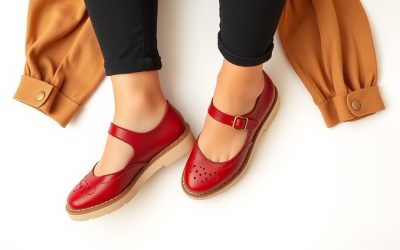
Supportive walking flats / Mary Janes: The most practical daily flat for plus size women who are on their feet for extended periods. Mary Jane styles with adjustable straps across the instep allow the shoe to be tightened to fit high-instep feet securely without the shoe slipping off at the heel. Look for a 10–15mm cushioned footbed and a rigid heel counter for stability.
Slip-on loafers: Convenient but structurally limited for plus size wear. Most slip-on loafers rely on a snug fit to stay on the foot — which means either too-tight sides or heel slippage, rarely both solved at once in a wide-foot design. Look for loafers with elastic side goring that expands to foot width while still gripping the heel. Structured loafers with a molded last are significantly better than unstructured fabric slip-ons under heavier loads.
Strappy sandal flats: Offer the most width adjustability via buckle or velcro straps. For swollen feet that change volume through the day, adjustable straps are genuinely more functional than any fixed-width enclosed shoe. The tradeoff is reduced support — sandal footbeds rarely provide the arch contour of a closed shoe. A sandal with a contoured cork or EVA footbed addresses this better than a flat leather strap sandal. For footwear that works well for wider lower-leg fits alongside wide-width shoes, see our guide to plus size wide calf boots for colder weather options.
Orthopedic and diabetic-grade flats: Specifically engineered for high-volume feet, sensitive skin, and edema. These shoes feature seamless linings to prevent pressure sores, extra-depth toe boxes for hammer toes or orthotics, and the widest width grading (5E–6E). They’re the correct choice for diabetic neuropathy, post-surgical swelling, or any condition where foot skin sensitivity requires zero internal friction. For everyday comfort shoes that complement a flat for light use, see our roundup of plus size wide width sneakers for athletic and casual wear options.
How to Measure Your Feet Correctly for Plus Size Wide Shoes
Most adults haven’t had their feet properly measured since childhood. Feet change significantly with age and weight — they spread, arches flatten, and width increases. Buying shoes based on the size you’ve always worn is one of the most common sources of ill-fitting footwear for plus size women.
- Measure in the afternoon: Feet swell throughout the day and reach their largest volume by late afternoon. Shoes that fit in the morning often feel tight by evening. Measure and shop at your daily maximum foot size.
- Measure standing, not seated: Weight-bearing flattens the arch and spreads the foot. A seated measurement underestimates your real in-shoe dimensions by up to half a size in length and one width grade.
- Measure both feet: Most people have one foot larger than the other. Always fit to the larger foot. If the difference is more than half a size, use a removable insole to fill the smaller shoe rather than buying to a compromise between the two.
- Width measurement at the ball of the foot: Wrap a soft measuring tape around the widest part of your foot (the ball, not the toes or arch) while standing. This circumference measurement maps to width sizing on most branding charts. Most shoe brands publish foot width charts in their sizing guides.
FAQ: Plus Size Flat Shoes for Wide Comfort
What width should I look for in plus size flat shoes?
Start with Wide (D/W) if your feet are moderately wider than average. Move to Extra Wide (2E/WW) if you have significant width at the ball of the foot, a high instep, or mild end-of-day swelling. For edema, diabetic conditions, or feet that require orthotics, 4E or wider is appropriate. The correct width is the one where the widest part of your foot sits fully on the insole without any overflow — if your foot bulges over the sides of the insole when standing, you need a wider width, not a longer size.
Can I just size up instead of buying wide-width flat shoes?
Sizing up adds length but not width — the toe box width at your correct ball-of-foot position is determined by the width of the last at that point, which doesn’t change when you go up a size. What you gain is extra toe space at the front and lost heel fit at the back. The net result is forward foot slide, heel slippage, toe box crowding, and arch misalignment. For any shoe you plan to wear for more than a few minutes at a time, a correct-width size is always the right answer over a length-compensated fit.
What is the most comfortable flat shoe style for standing all day when plus size?
A structured Mary Jane or walking flat with a contoured footbed, a rigid heel counter, and a flexible ball-of-foot outsole is the most supportive flat for all-day standing. The strap across the instep prevents heel slippage that causes compensatory gripping with the toes — a significant source of forefoot fatigue. Brands that specifically engineer for extended wear (comfort brands like Vionic, Clarks, SAS, New Balance) use lasts with better arch-to-heel geometry than fashion-oriented flat shoes in the same width.
Do plus size flat shoes wear out faster?
Insoles and midsoles do compress faster under heavier loads — this is physics, not a brand quality issue. A shoe rated for 150 lb use and worn daily at 300 lbs will see its footbed compress to minimal support in weeks rather than months. The fix is either replacing insoles every 3–6 months (removable insoles make this easy), choosing shoes with denser EVA or polyurethane midsoles specified for higher-load use, or buying to a comfort-brand standard where the cushioning compounds are engineered for real-world wear rather than showroom performance.
Are flat shoes bad for plus size women with plantar fasciitis?
Completely flat shoes — zero-drop, no arch support, no heel cup — are problematic for plantar fasciitis regardless of body size, and more so under higher load. A flat shoe with a contoured arch support and a slight heel elevation (10–15mm) actually reduces plantar fascia strain by shortening the effective length under tension. Look for flats with a built-in arch contour or use an aftermarket orthotic in a shoe with a removable insole. The combination of a supportive wide-width flat with a quality orthotic insert is the most effective approach for plus size women managing plantar fasciitis pain.
Frequently Asked Questions
What width should I choose, and how do I measure?
Widths generally run from D or wide, through EE or extra wide, to EEEE or extra extra wide. Measure both feet at the end of the day when they are largest, tracing the outline and measuring across the widest point of the ball. Buy for the larger foot, since most people have a measurable difference.
Do wide flats run true to size in length?
Not always. Many brands make a wide shoe by adding volume rather than redesigning the last, which can make it feel long as well as wide. Check reviews for comments on length specifically, and if a brand only offers medium width, sizing up half a size adds width but also adds unwanted length and heel slip.
Which materials give the most comfort?
Soft full-grain leather and quality suede mould to the foot over a few wears and stay breathable. Knit and stretch mesh uppers accommodate bunions and wide forefeet immediately without a break-in period. Avoid stiff synthetic uppers, which never yield. A padded topline and a fully lined interior prevent rubbing at the heel and toes.
How much support should a flat shoe have?
Look for a contoured footbed with genuine arch support, a cushioned midsole with some EVA or polyurethane, and a firm heel counter that does not collapse when squeezed. Completely flat, unsupported ballet flats offer little shock absorption. A removable insole is valuable, since it lets you fit a custom orthotic if you need one.
How do I care for them, and what about returns?
Condition leather every few months, use a suede brush and protector spray, and rotate pairs so cushioning recovers between wears. Try new shoes indoors on carpet in the evening, walking for at least ten minutes, before removing packaging. Buy from retailers offering free returns and exchanges, since width fit rarely works first time.
Ready to decide? Our #1 pick for 2026 is the B (standard).
Live price & availability on Amazon.
Related Reviews & Guides


6 Best Plus Size Maternity Outerwears 2026
7 Best Plus Size Sneakers in Wide Width: Comfort and Style Combined