
Last Updated: September 7, 2026
- Top Picks: Wide Width Hiking Boots for Plus Size Hikers
- Width Sizing Decoded: What 2E, 4E, and Wide Actually Mean
- Support Features That Actually Matter for Heavier Hikers
- Break-In Strategy: Don’t Learn This the Hard Way
- Waterproofing: GORE-TEX vs Membrane vs Treated
- Frequently Asked Questions: Plus Size Hiking Boots Wide Width
- Related Articles
- Related Guides

TL;DR: Plus size hikers need wide-width boots (2E–4E men’s / wide women’s), reinforced ankle support rated 250+ lbs, and a midsole with high rebound for heavier impact. Standard “D” width boots cause bunion pain, blister hotspots, and ankle rollover in wider feet. Weight cap on boots isn’t listed — the bootmaker designs to 300+ lbs per foot strike load by default for trail boots.
Best Plus Size Hiking Boots Wide Width: Real Support for Heavier Hikers (2026)
Finding plus size hiking boots wide width that actually fit — not just “technically wide” but properly shaped for larger feet with significant volume — is one of the most frustrating gear problems in the outdoor space. Most brands offer one wide width option buried in their lineup. This guide covers what works, what specs actually matter for heavier hikers, and how to avoid the 10-mile blister disaster.
As an Amazon Associate we earn from qualifying purchases at no extra cost to you.


🛒 Best Price Today on Amazon
Prime members get fast, free shipping on everything above, plus member-only deals. New members get a 30-day free trial — cancel anytime.
Start 30-Day Prime Free Trial →See Today’s Amazon DealsTop Picks: Wide Width Hiking Boots for Plus Size Hikers

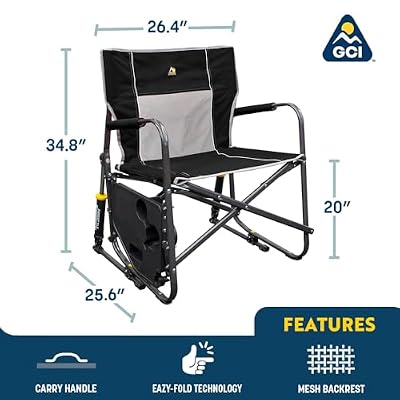
GCI Outdoor Freestyle Rocker XL with Side Table Camping Chair | Portable Folding Rocking Chair with Solid, Durable Armrests, Drink Holder & Comfortable Backrest — Black



As an Amazon Associate we earn from qualifying purchases. Product prices and availability are accurate as of the date/time indicated.

Sherpa Hiking Hydration Backpack – 22L Hiking Backpack with Water Bladder, Phone Compartment, Waterproof Zippers & Trekking Pole Holders


As an Amazon Associate we earn from qualifying purchases. Product prices and availability are accurate as of the date/time indicated.



As an Amazon Associate we earn from qualifying purchases. Product prices and availability are accurate as of the date/time indicated.
Width Sizing Decoded: What 2E, 4E, and Wide Actually Mean
Width sizing is the most confusing part of boot buying — and getting it wrong means blisters, black toenails, and numb feet. Here’s the breakdown:
| Width Code | Men’s Label | Women’s Label | Foot Width (at ball) |
|---|---|---|---|
| B | Narrow | Standard | Narrowest |
| D | Standard/Medium | Wide | Most common |
| 2E | Wide | Extra Wide | +0.25″ wider than D |
| 4E | Extra Wide | — | +0.5″ wider than D |
| 6E | XX Wide | — | +0.75″ wider than D |
Critical note for women: women’s “wide” = men’s standard D width. Many plus size women find they need men’s wide (2E) or extra wide (4E) to get actual room across the forefoot. Don’t let the label stop you — men’s trail boots sized down 1.5 sizes fit women perfectly and often offer more width options.
Support Features That Actually Matter for Heavier Hikers
A 300 lb hiker on a descent puts roughly 600–900 lbs of force through each boot strike on steep terrain. The boot construction must handle this without transferring that shock to your knees and back. Here’s what to prioritize:
- Midsole density: Medium-firm EVA or PU midsoles with high rebound. Soft foam midsoles (common in budget boots) compress permanently under heavier loads within 20 miles — the cushioning disappears and you’re walking on hard foam.
- Shank: Full-length nylon or steel shank for torsional rigidity. Critical on uneven ground — prevents the boot from twisting under load, which is the primary cause of ankle rollover in heavier hikers.
- Ankle collar height: Mid-cut minimum (6″+ collar). Low-cut trail runners give lighter hikers adequate support; heavier hikers need the extra lateral ankle constraint that mid or high-cut boots provide.
- Upper material: Full-grain leather or nubuck for maximum durability and support structure. Synthetic uppers are lighter but break down faster at stress points (toe box, heel counter) under heavier loads.
- Heel counter: Rigid internal heel counter that doesn’t flex when you press the back of the boot. A soft heel counter = eventual heel slip = blisters + energy loss.
- Outsole lug depth: 4mm+ lug depth for trail grip. Shallower lugs pack with mud faster, reducing traction exactly when a heavier hiker needs it most — going downhill in wet conditions.
Break-In Strategy: Don’t Learn This the Hard Way
Heavier hikers cannot skip the break-in process. New leather boots especially need 30–50 miles of progressive wear before a serious trail hike. Here’s the sequence:
- Week 1–2: Wear around the house 1–2 hours/day. The boot learns your foot shape; you identify hotspots before they become blisters.
- Week 3: Short walks on pavement (1–3 miles). Note any pressure points — especially at the little toe, ball of foot, and Achilles.
- Week 4: First trail hike — keep it under 4 miles with moderate elevation. Bring moleskin.
- Lacing technique: Use “lace lock” at the ankle hook (loop back through the hook) to prevent heel slip independently of forefoot tension. This is the single biggest blister-prevention technique for wide-footed hikers.
- Socks matter: Merino wool hiking socks, 1/4 crew height minimum. Cotton socks are a blister factory. Liner socks under hiking socks for friction transfer.
Once your boots are broken in, the rest of your outdoor kit matters too. Check our plus size hiking backpack review for packs that distribute load correctly on larger frames — a poorly fitted pack turns a great hike into back pain. For wet trail days, our plus size rain jacket hiking guide covers breathable waterproofs that actually fit curvy bodies. Finishing a long day on the trail means recovery seating — see our big and tall camping chair guide for chairs that hold up at camp.
Waterproofing: GORE-TEX vs Membrane vs Treated
Wet feet are miserable, but not all waterproofing is equal — especially for heavier hikers who generate more heat and sweat more inside the boot.
- GORE-TEX: Gold standard. Waterproof and breathable. More expensive but prevents the “greenhouse effect” of sweat-soaked feet in a waterproof boot. Worth every dollar for serious hikers.
- Proprietary membranes (eVent, OutDry): Comparable to GORE-TEX. OutDry in particular bonds directly to the upper, eliminating the dead air space where moisture collects.
- DWR (Durable Water Repellent) treatment only: Repels light rain for 1–2 hours. Fine for dry climates or short day hikes. Not adequate for heavier hikers who may be hiking longer and sweating more — the DWR saturates faster from high-humidity sweat inside the boot than from rain outside it.
- Non-waterproof: Breathe better in dry hot conditions. Good choice for desert hiking where creek crossings are rare and foot temperature matters more than waterproofing.
Frequently Asked Questions: Plus Size Hiking Boots Wide Width
Do hiking boots have weight limits?
Hiking boots don’t have explicit per-user weight limits the way camping chairs or kayaks do. Trail boot manufacturers design for a dynamic load that accounts for heavier users — a 300 lb hiker creates roughly 3x the impact force of their body weight on downhill strikes, and quality trail boots are engineered for this. What degrades faster for heavier hikers is midsole cushioning (compresses permanently faster) and outsole lug depth (wears faster). Replace heavier-use boots every 300–400 miles instead of the typical 500–600 mile guideline for average-weight hikers.
Should plus size hikers choose hiking boots or trail runners?
For most plus size hikers, mid-cut or high-cut hiking boots offer more ankle support and durability than trail runners. Trail runners excel for lightweight fast hikers; the reduced structure is a liability for heavier hikers carrying packs on technical terrain. That said, if you have strong ankles and are doing well-maintained trails under 8 miles, a quality wide-width trail runner can work. The moment you add significant pack weight or technical terrain, boots become the safer choice.
What’s the best insole for plus size hikers with flat feet or plantar fasciitis?
Stock insoles in most hiking boots are minimal — essentially a flat foam pad. For heavier hikers, aftermarket insoles are nearly mandatory. Superfeet Green (high arch) or Superfeet Blue (medium arch) are the most recommended for heavier hikers with plantar fasciitis. They provide a rigid heel cup that prevents overpronation — the main cause of plantar fasciitis inflammation on trail. Budget $45–60 for quality insoles; they outlast the boot’s stock insert by years.
How do I prevent blisters in wide-width hiking boots?
Three-part approach: (1) Correct fit — 1/2″ of thumb space at the toe in standard lacing, zero heel slip with locked lacing. (2) Liner socks — thin synthetic or silk liner under your hiking sock transfers friction from skin to sock interface. (3) Pre-treat known hotspots with Body Glide or Leukotape K before the hike, not after the blister forms. For plus size hikers, the inner ankle and fifth toe are the most common blister sites due to wider foot pressing against the boot wall.
Are Merrell wide-width boots good for plus size hikers?
Merrell offers some of the most accessible wide-width options in trail footwear. Their Moab 3 Wide and Moab 3 Mid Wide are perennial top picks for heavier hikers — wide toe box, proven Vibram outsole, and aggressive lug pattern. The Kinetic Fit insole included is better than most stock insoles. For very wide feet (4E+), Merrell’s wide is closer to 2E — you may need to look at Keen, New Balance, or Altra for genuine 4E widths.
Complete your outdoor kit: plus size hammock camping guide, extra large sleeping bag options for camping, and plus size kayak buying guide for water adventures.
Related Reviews & Guides

Medium vs Wide Width Shoes: How to Tell Which You Need
Best Walking Shoes for Heavy Women: Cushioning That Holds Up Mile After Mile