
Last Updated: September 18, 2026
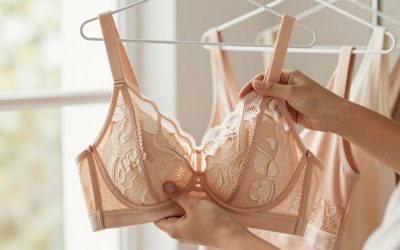
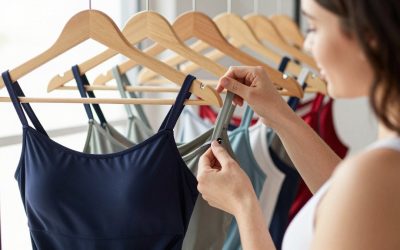
Drying a plus size sports bra properly helps preserve its support, shape, stretch, and comfort. These bras often use thick elastic bands, molded or removable pads, reinforced seams, and moisture-wicking synthetic fabrics. When they stay damp in a pile, they can develop odors, mildew, or itchy residue. When they are wrung, overheated, or hung by the straps, the fabric can stretch unevenly and the band may lose its recovery.
The good news is that air-drying a plus size sports bra usually takes only a few extra minutes of attention. The method below works for high-support racerback styles, padded bras, adjustable-strap designs, and similar activewear. It is especially useful when caring for a newer bra in 2026, when performance fabrics and bonded details are common.
As an Amazon Associate we earn from qualifying purchases at no extra cost to you.


Quick answer: Our top pick in 2026 is the Clean, dry bath towel — our #1 rated choice. See the full ranked comparison, alternatives and buying advice below.
What You Need
| Item | Why | Optional? |
|---|---|---|
| Clean, dry bath towel | Removes excess water without twisting or stressing the elastic | No |
| Drying rack or clean flat surface | Allows air to circulate around the entire bra | No, but a rack is best |
| Fan | Improves airflow in humid rooms and shortens drying time | Yes |
| Mesh laundry bag | Protects the bra during washing before drying | Yes |
| Removable bra pads | Dry separately so moisture does not remain trapped inside the cups | Only if the bra has pads |
| Gentle, fragrance-free detergent | Reduces residue that can hold odor in performance fabric | Yes, but preferable |
If you are shopping for a replacement, adjustable high-support styles such as the Tmeefee Adjustable Sports Bras for Women High Support, Padded Racerback Bra, priced around $30.99, or High Impact Sports Bras for Women, Adjustable Straps Supportive Racerback, priced around $28.99, may include thick bands and padded sections that need careful drying. Prices can vary by seller and color, so treat those figures as general buying references rather than fixed prices.
Step-by-Step
1. Read the care label (1 minute)
Before washing or drying, check the sewn-in care label. Follow its temperature and drying instructions over general advice. Most sports bras are made from nylon, polyester, elastane, or blends that tolerate cool water but can be damaged by high heat. Look for warnings about bleach, fabric softener, ironing, or tumble drying.
If the label permits a dryer, air-drying is still the gentlest choice for long-term support. Also check the bra for removable pads, hooks, adjustable sliders, and any decorative or bonded trim that could snag.
2. Remove pads and fasten adjustable parts (2 minutes)
Take out removable pads before drying. Pads can trap water against the cups and may dry with wrinkles if left inside. Rinse and dry them separately on a clean towel.
Fasten hooks if the bra has them, and loosen straps slightly without pulling them to their longest setting. Securing loose hardware helps prevent snags, while avoiding excessive strap tension protects the elastic. Do not fold the cups sharply or push one cup inside the other.
3. Press out water without wringing (1 to 2 minutes)
After washing, support the bra with both hands and gently press it against the side of the sink or basin. Do not twist the band, wring the cups, or pull on the racerback. Those actions can distort the shape and place uneven stress on wide bands and shoulder straps.
Avoid lifting a fully waterlogged bra by one strap. Wet fabric is heavier, and that concentrated weight can stretch the strap attachment.
4. Roll it in a towel (2 minutes)
Lay the bra flat on a clean bath towel. Place another towel over it if the bra is very saturated, then roll the towel and bra together from one end. Press down gently along the roll for about 30 to 60 seconds. Unroll, reposition the bra, and repeat once if it still feels heavy.
This step removes excess water without the mechanical stress of twisting. A properly towel-pressed bra should feel damp rather than dripping. For a large or heavily padded style, use a full-size towel measuring about 27 by 54 inches so the bra is fully supported.
5. Reshape the band and cups (2 minutes)
Lay the bra flat and smooth it into its normal shape. Align the bottom band in a straight line, center the racerback, and gently round each cup with your hands. Replace the pads only after both the bra and pads are almost dry; otherwise, the pad pockets may hold moisture.
Do not stretch the band flat beyond its natural width. The goal is to restore the shape it has when worn, not to pull the fabric taut.
6. Air-dry it flat or over a rack (4 to 8 hours)
For the most even drying, place the bra flat on a ventilated drying rack. Position the cups upward, leave the band open to airflow, and avoid stacking clothing on top. If you use a solid countertop, put the bra on a dry towel and turn it after about two hours so the underside can dry.
You can drape the bra over the thick center bar of a drying rack, but do not hang it from a single strap. For heavier plus size designs, support the band across two or more bars to distribute weight. Keep the rack in a well-ventilated room, away from direct sunlight, radiators, heaters, and hot air vents.
7. Improve airflow when needed (1 minute to set up)
In a humid room, place a fan 3 to 6 feet away and use a low or medium setting. The fan should move air across the bra, not blast it hard enough to knock it off the rack. A typical household fan using roughly 20 to 60 watts is sufficient; high heat is not necessary.
Most lightweight bras dry in about 4 to 8 hours. Thick padded or high-impact bras may need 8 to 12 hours. Turn the bra once halfway through drying, and check the band, pad pockets, and strap seams because those areas often stay damp longest.
8. Confirm it is completely dry (30 seconds)
Press the thickest parts between clean, dry fingers. The bra should feel room-temperature and dry, with no cool, damp patches in the band, underbust seam, cup edges, or pad pockets. Do not put it in a drawer while even slightly damp. Residual moisture can create odor and encourage mildew, particularly in warm closets.
Mistakes to Avoid
- Using high dryer heat: Heat can weaken elastane and reduce the stretch recovery that provides support. If the care label allows a dryer, use air-fluff or the lowest heat setting for the shortest practical time, then finish air-drying.
- Hanging from one strap: The wet weight pulls on one attachment point and may lengthen the strap unevenly.
- Wringing or twisting: This can warp molded cups, seams, and the underbust band.
- Drying on a radiator or heater: Concentrated heat can damage elastic and create uneven shrinkage.
- Leaving pads inside: Removable pads can retain moisture long after the outside feels dry.
- Using fabric softener: It can coat performance fibers and reduce moisture-wicking ability. It may also leave buildup that holds odor.
- Folding it while damp: A closed drawer or hamper limits airflow and can make smells harder to remove.
- Drying in harsh direct sun: Occasional sunlight is not automatically harmful, but prolonged intense UV exposure may fade fabric and weaken fibers over time.
How Often
Dry the bra after every wash, and wash it after each high-sweat workout or whenever it has a noticeable odor. If you wear it for light activity and it remains fresh, follow the garment label and your personal comfort. Alternating between two or more sports bras gives the elastic at least 24 hours to recover between uses.
Do not leave a sweaty bra balled up in a gym bag. Hang it over a ventilated surface temporarily, then wash it as soon as practical. If immediate washing is impossible, rinse it in cool water and air-dry it completely before placing it in a laundry hamper.
When to Call a Pro or Replace
Most sports bras do not need professional cleaning. Consider asking a cleaner about specialty care if the bra has leather trim, delicate glued embellishments, unusual molded components, or a care label that specifically recommends professional treatment. Take it to a professional if an unknown substance, oil, or dye has stained it and ordinary laundering could cause damage.
Replace the bra when the band rides up despite the correct size, the straps no longer stay adjusted, the fabric remains stretched after washing, or the cups and seams have permanent distortion. Also replace it when elastic feels brittle, the fabric is thinning, stitching is separating, or odor remains after thorough washing and complete drying. A bra that no longer offers stable support can cause discomfort and is not worth preserving indefinitely.
FAQ
Can I put a plus size sports bra in the dryer?
Only if the care label permits it. Use the lowest heat or no-heat setting, remove the bra while it is still slightly damp, reshape it, and finish drying flat. Air-drying is generally safer for elastic, padding, and bonded seams.
Is it better to hang or lay a sports bra flat?
Laying it flat on a ventilated rack is the safest option, especially when the bra is wet, padded, or heavy. If you hang it, drape the band over a rack bar rather than using one strap. This distributes weight and helps prevent stretching.
How can I dry a sports bra overnight?
Towel-press it, reshape it, and place it flat on a rack in a room with good airflow. Run a fan on low or medium from 3 to 6 feet away. Turn the bra once before bed and check the band and pad pockets in the morning.
Why does my sports bra still smell after drying?
Odor usually comes from sweat residue, detergent buildup, or incomplete drying. Wash it promptly with the recommended amount of mild detergent, skip fabric softener, rinse thoroughly, and dry every thick section completely. If the smell persists after several proper washes, the fibers may be permanently holding odor and replacement may be the better option.
Ready to decide? Our #1 pick for 2026 is the Clean, dry bath towel.
Live price & availability on Amazon.
Related Reviews & Guides

6 Best Bras For Plus Size Saggy Breasts 2026
6 Best Business Casual Dresses For Plus Size Women 2026