
Last Updated: September 7, 2026
- Watch: How to Layer Plus-Size Clothing for a Polished Autumn Outfit — Video Review
- Start With a Base Layer That Actually Fits
- Build the Middle Layer for Warmth Without Bulk
- Use an Oversized Piece as Your Anchor, Not an Afterthought
- Add Texture With Blouses and Lace Details
- Keep One True Basic in Rotation
- Tips for Layering Plus-Size Pieces
- Frequently Asked Questions
- Conclusion
- Related Articles
- Related Guides
- Top Pick: SamLng Lounge Sets For Women Fall Outfits Plus Size Tops 2 Piece Sets For Women Boho Wrap Cross V Neck Long Sleeve Top Pleated Wide Leg Pant Set Matching Suit Travel Outfits Womens Workout(Khaki,S)
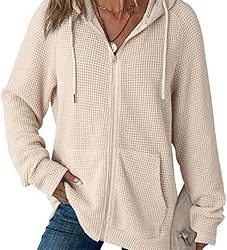
- Best Value: EVALESS Sweatshirt for Women V Neck Button Knit Fall Tops Tawny XX-Large
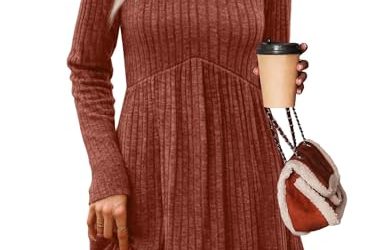
- Premium Choice: Hoodie Dress for Women Warmy Oversized Sweatshirt Dress Comfort Long Hoodie
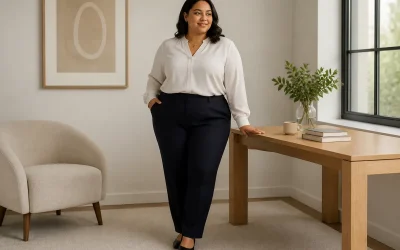
Layering plus-size clothing well comes down to three things: fabric weight, proportion, and structure. When each piece has room to do its job without adding bulk in the wrong places, you get an outfit that reads as intentional rather than piled-on, even as temperatures swing between 45 and 65 degrees.
This guide breaks down how to build an autumn outfit from the base layer out, with specific pieces that layer easily and a few buying tips so you know what to look for while you shop.
As an Amazon Associate we earn from qualifying purchases at no extra cost to you.




⚡ Save on Your Next PC — Amazon Prime
Prime members get fast free shipping on the systems above, plus early access to Prime Day & Black Friday PC deals. New members get a 30-day free trial.
Watch: How to Layer Plus-Size Clothing for a Polished Autumn Outfit — Video Review
Start With a Base Layer That Actually Fits
Your base layer sets the shape for everything else, so it should be close-fitting without being tight. A V-neck knit top like the EVALESS button-front sweatshirt works well here because the button placket lets you adjust the neckline and it’s cut to lie flat under a jacket instead of bunching.
- Choose a base layer one size closer to fitted than your outer layers
- Stick to cotton-blend knits under 200 GSM so they don’t add bulk
- Tuck or half-tuck to define a waistline before adding layer two
Build the Middle Layer for Warmth Without Bulk
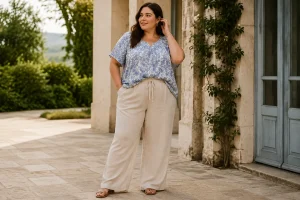
The middle layer is where most layered outfits fail, usually because two thick pieces get stacked together. A two-piece set solves this by design: the SamLng wrap-front top and wide-leg pant set is cut from one lightweight fabric, so the whole look adds warmth without doubling fabric weight at the waist or hips.
- Pick one fitted piece and one relaxed piece, never two loose pieces together
- Wide-leg pants balance a fitted top and hide layering lines at the waistband
- Matching sets remove the guesswork of pairing separates
Use an Oversized Piece as Your Anchor, Not an Afterthought
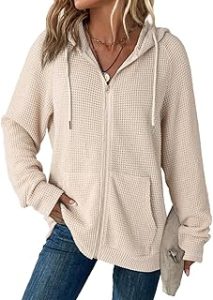
An oversized hoodie dress or shirt should be the outfit’s anchor, not a last-minute throw-on. The Hoodie Dress for Women in a warm, oversized cut works as a standalone layer over leggings, or as a third layer over a fitted tee when the temperature drops below 50 degrees.
- Belt an oversized dress or hoodie at the natural waist to reintroduce shape
- Layer it over slim-fitting bottoms so volume doesn’t stack on both halves
- Push sleeves up or cuff them to keep proportions readable at the wrist
Add Texture With Blouses and Lace Details
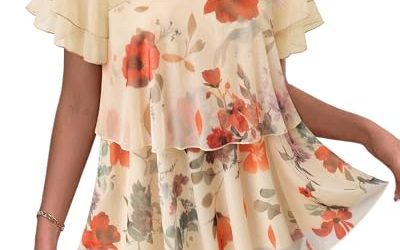
Once the warmth layers are sorted, texture is what makes an outfit look finished rather than functional. A pleated, lace-detail blouse like the HOTOUCH long-sleeve top adds visual interest under a blazer or open cardigan without the stiffness of woven cotton.
- Save lace or pleated pieces for the visible top layer, not underneath
- Pair textured tops with solid, matte bottoms to avoid competing patterns
- Long sleeves on a blouse mean you can skip a base layer on warmer fall days
Keep One True Basic in Rotation
Every layered wardrobe needs at least one plain, oversized long-sleeve tee that isn’t trying to do anything special. The Dokotoo oversized basic tee in a color like green is the piece you reach for when you need a quiet layer under a flannel or a light jacket without adding visual noise.
- Keep basics in 2-3 neutral or muted colors so they layer under anything
- Size up one size from your usual fit for a true oversized drape
- Use basics as the layer you tuck, not the layer you show off
Tips for Layering Plus-Size Pieces
- Layer light-to-heavy from the skin out: knit, then woven, then knit again, so no single layer traps too much heat
- Keep no more than one oversized piece in an outfit at a time to avoid losing your shape entirely
- Choose stretch fabrics with at least 5% spandex for base layers so they move under structured outer pieces
- Match hem lengths intentionally, a longer top over a shorter layer reads as styled, the reverse often looks unfinished
Frequently Asked Questions
How many layers is too many for a plus-size outfit?
Three is the practical limit for most body types: a base layer, a middle layer, and one outer piece. A fourth layer, like a scarf or open cardigan, works only if it’s lightweight and doesn’t add bulk at the same point on the body as another layer.
Should I size up when buying pieces meant to be layered?
Only for the outermost layer. Base and middle layers should stay true to size or even slightly fitted, since sizing up every piece compounds bulk and hides your waistline.
What fabric weight works best for early versus late autumn?
Early autumn (60-65°F) calls for lightweight knits under 220 GSM, like a jersey tee or lace blouse. Late autumn (45-55°F) needs at least one piece over 300 GSM, such as a fleece-lined hoodie dress, as your outer or middle layer.
Can a two-piece set be layered, or is it meant to be worn as-is?
Two-piece sets are designed to be worn together, but the top half also works layered under a blazer or open jacket on cooler days, while the pants pair with a different top on warmer ones, so you get two outfits from one set.
Conclusion
Good layering for plus-size fall outfits isn’t about adding more pieces, it’s about choosing pieces that each serve a distinct purpose: a fitted base, a proportion-balancing middle, and one anchor layer with real personality. Start with the six pieces above, and you’ll have a layering system that carries you through the full temperature range of the season.
Related Reviews & Guides
Plus-Size Comfortable Travel Outfits: Amazon Essentials
8 Best Plus-Size Athleisure Jackets for On-the-Go Style (Amazon)