
Last Updated: September 7, 2026
- Watch: How to Find Plus-Size Winter Coats That Are Both Warm and Stylish — Video Review
- Know Your Insulation Options
- Get the Silhouette Right
- Match Coat Length to How You’ll Use It
- Prioritize Functional Details
- Consider Color and Versatility
- Tips
- Frequently Asked Questions
- Conclusion
- Related Articles
- Related Guides
Finding a plus-size winter coat that actually keeps you warm without making you feel shapeless is trickier than it should be. Too many “extended sizes” are just straight-line scaled-up versions of a coat cut for a smaller frame, which throws off proportions at the shoulders, hips, and sleeve length. The good news is that 2026’s crop of plus-size outerwear has gotten a lot smarter about fit, insulation, and design details that flatter curves instead of hiding them.
Below, we break down exactly what to look for — from fill power to hem length — and highlight a few standout coats worth putting on your shortlist this season.
As an Amazon Associate we earn from qualifying purchases at no extra cost to you.





⚡ Save on Your Next PC — Amazon Prime
Prime members get fast free shipping on the systems above, plus early access to Prime Day & Black Friday PC deals. New members get a 30-day free trial.
Watch: How to Find Plus-Size Winter Coats That Are Both Warm and Stylish — Video Review
Know Your Insulation Options
Warmth comes down to what’s inside the coat, not just how thick it looks. The three main options are down, synthetic (polyfill), and wool blends, each with tradeoffs.
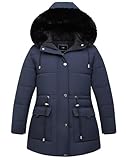
- Down (goose or duck): Best warmth-to-weight ratio. Look for 600-800 fill power for genuinely cold climates. Coats like the Pefflarge Down Puffer Coat rely on this for serious insulation without excess bulk.
- Synthetic fill: Slightly heavier for the same warmth, but performs better when wet and is usually more budget-friendly and machine-washable.
- Wool blends: Warm and polished-looking, but less water-resistant unless treated. Better suited to dry, cold climates than snow or sleet.
If you’re in a region with regular snowfall or rain, prioritize a water-resistant outer shell over the fill type alone — a Chrisuno-style water-resistant shell paired with thick fill is a smart combination for subzero, wet winters.
Get the Silhouette Right
Plus-size coats fit best when they’re cut with real waist and hip shaping rather than a single boxy line from shoulder to hem. A few silhouette details make a measurable difference:
- A defined waist, even a subtle one with a drawstring or belt, prevents the “tent” effect.
- Set-in sleeves (versus raglan) tend to fit rounder arms more comfortably.
- A slightly A-line or parka cut through the hips, like the Pefflarge Winter Parka Jacket, skims the body instead of clinging or ballooning.
Try sitting down and reaching overhead in the coat before buying if you can. A coat that fits standing still but restricts movement isn’t actually functional.
Match Coat Length to How You’ll Use It
Length affects both warmth and practicality. Longer coats trap more body heat around your legs, while shorter jackets offer more mobility.
- Hip-length (28-30 inches): Best for daily commuting, driving, and running errands.
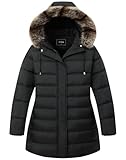
- Mid-thigh to knee (35-40 inches): Ideal for standing outside for extended periods, like waiting for transit or shoveling snow. The CREATMO Long Winter Coat falls in this range and covers a lot more surface area against wind chill.
- Below-knee parkas: Best for genuinely extreme cold, especially with an adjustable hem to block drafts.
Prioritize Functional Details
Beyond warmth and shape, the small features determine how much you’ll actually enjoy wearing the coat.
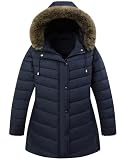
- Adjustable, removable hood: A faux fur-trimmed hood, like on the Chrisuno coat or the CREATMO puffer, blocks wind around your face and can be removed for milder days.
- Interior storm cuffs: Keep snow and cold air from creeping up your sleeves.
- Multiple pockets: Zippered exterior pockets plus at least one interior pocket for your phone or keys.
- Two-way zippers: Useful for adjusting airflow or sitting comfortably in the car.
Consider Color and Versatility
Neutral tones like black, beige, and navy pair with more of your existing wardrobe and hide road salt stains better than pale colors. A beige option like the Chrisuno 3XL coat works well if you want something that reads as polished rather than purely utilitarian, while classic black, as seen in the CREATMO 2X coat, stays versatile from work to weekend.
Tips
- Size up if you plan to layer a sweater underneath — check the brand’s size chart for bust and hip measurements rather than relying on standard numeric sizing.
- Check the temperature rating in the listing, but treat it as a guideline; wind and humidity change how cold a coat actually feels.
- Look for reinforced stitching at stress points like underarms and pocket seams, since these areas wear out first.
- Store down coats uncompressed in a breathable bag between seasons to preserve loft and warmth.
Frequently Asked Questions
What fill power is warm enough for below-freezing temperatures?
For temperatures consistently below 32°F, look for 600 fill power or higher, or a synthetic-fill coat rated for subzero conditions. Anything under 500 fill power is better suited to fall or mild winter weather.
Do plus-size parkas run true to size?
It varies by brand more than by garment type. Always check the specific brand’s size chart in inches rather than assuming a 2X or 3X label matches across brands, since cut and ease differ significantly.
Can I wash a down or puffer coat at home?
Many synthetic-fill puffers are machine-washable on a gentle cycle. Down coats generally need a front-loading machine with no agitator and a down-specific detergent, or professional cleaning to preserve fill loft.
Is a longer coat always warmer than a shorter one?
Generally yes, since more fabric covers more skin, but fit and wind-blocking details like a fitted hood and storm cuffs matter just as much as length for actual warmth retention.
Conclusion
The best plus-size winter coat for you depends on your climate, how long you’re outside at a stretch, and how much shaping you want in the silhouette. Focus on fill power and water resistance for warmth, waist and hip shaping for fit, and details like hoods and storm cuffs for everyday function. Get those three right, and you’ll have a coat that performs through the coldest months and still looks like you meant to wear it.
Related Reviews & Guides
Plus-Size Swim Cover-Ups: Stylish & Flattering Amazon Options
How to Layer Plus-Size Clothing for a Polished Autumn Outfit