
Last Updated: September 12, 2026
⚡ Key Takeaways
- Jeans are notoriously tricky because they have to fit several different measurements at once: waist, hips, thighs, and rise all need to work together.
- Three factors determine how a pair of jeans will fit and flatter you more than the size number ever will.
- Most plus-size jean frustrations have specific, fixable causes.
- Skip your usual number and follow these steps for a true fit.
Finding the best fitting plus size jeans can feel like a never-ending quest, with waistband gaps, thigh-squeezing, and styles that flatten rather than flatter. The good news is that a great pair absolutely exists for your body, and once you understand the language of jean rises, cuts, and stretch, the search gets dramatically easier. This guide breaks down exactly what to look for, how to solve the most common plus-size fit problems, and how to identify quality denim that holds its shape wear after wear so you can finally build a jeans collection you genuinely love.
As an Amazon Associate we earn from qualifying purchases at no extra cost to you.


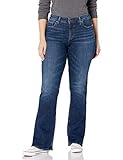


Related: best plus size dress pants.
🛒 Best Price Today on Amazon
Prime members get fast, free shipping on everything above, plus member-only deals. New members get a 30-day free trial — cancel anytime.
Why Plus Size Jeans Are So Hard to Get Right
Jeans are notoriously tricky because they have to fit several different measurements at once: waist, hips, thighs, and rise all need to work together. Plus-size bodies often have a greater difference between waist and hip, which is exactly where mass-produced denim struggles, creating the classic gap at the back waistband. Add inconsistent sizing across brands and the lack of stretch in some denim, and it is no wonder the hunt feels frustrating. Understanding the key components below puts you back in control.
Understand Rise, Cut, and Stretch
Three factors determine how a pair of jeans will fit and flatter you more than the size number ever will.
Rise
- High-rise: Sits at or above the natural waist, smooths the tummy, prevents the dreaded back gap, and stays put when you sit. This is the most flattering and comfortable rise for most plus-size figures.
- Mid-rise: Sits below the natural waist; comfortable but more prone to gapping and sliding down.
- Low-rise: Generally the least supportive for fuller figures and most likely to cause discomfort and muffin-topping.
Cut
- Bootcut: Slightly flares at the hem, balancing fuller hips and elongating the leg. Universally flattering.
- Straight leg: Clean, classic line that skims the leg without clinging; works on nearly everyone.
- Skinny: Fitted through the leg; choose a high-rise version with strong stretch for comfort.
- Wide leg and flare: Trendy, comfortable, and balancing for curvier lower halves.
Stretch
Look for jeans with around 2 to 4 percent elastane or spandex. This provides comfort and movement while still holding their shape. Too little stretch and the denim feels rigid and unforgiving; too much and the jeans bag out and lose their structure within hours. The sweet spot gives you a comfortable, shape-retaining fit all day.
Solving Common Fit Problems
Most plus-size jean frustrations have specific, fixable causes. Use this table to diagnose and solve yours.
| Problem | Cause | Solution |
|---|---|---|
| Back waistband gap | Waist-to-hip difference; rise too low | Choose high-rise; tailor the waist; add a hidden elastic |
| Tight thighs, loose waist | Sized to the waist, not the thigh | Size to your thigh/hip; look for “curvy” fit lines |
| Muffin top over waistband | Rise too low; size too small | Go high-rise; size up; choose stretch denim |
| Jeans bagging out | Too much stretch, poor recovery | Choose denim with 2-4% elastane and good recovery |
| Knee bunching | Length too long | Hem to your inseam or choose petite/tall lengths |
The phrase “curvy fit” on a brand’s jeans usually signals a pattern cut with a larger hip-to-waist ratio, which solves the back-gap problem before you even try them on.
How to Find Your Right Size
Skip your usual number and follow these steps for a true fit.
- Measure your natural waist, the fullest part of your hips, and your thigh, and write the numbers down. Accurate measurements are the foundation of every good purchase.
- Match those numbers to the specific brand’s size chart rather than assuming your standard size.
- Size to your largest measurement, usually hips or thighs, since you can take in a waist far more easily than let out a hip.
- Account for stretch: rigid denim should match the chart closely, while stretchy denim offers more forgiveness.
- When ordering online, buy two sizes if returns are free, then keep the better fit.
Spotting Quality Denim
A great-fitting pair is only worth it if it lasts. Check these markers of quality before you commit.
- Fabric weight: Mid to heavy denim holds its shape better than thin, flimsy material.
- Recovery: Stretch the waistband and release it; quality denim snaps back rather than staying loose.
- Stitching: Look for tight, even seams and reinforced stress points like pocket corners.
- Hardware: Sturdy zippers, buttons, and rivets that feel solid, not flimsy.
Quality jeans cost more upfront but reward you with years of wear and far better cost-per-wear. Once you find a brand and cut that work, buy a second pair, since fit consistency within a single line is your best friend. The same fit-first thinking applies to building the rest of your wardrobe, from a go-to skirt to the perfect layering cardigan that pairs with your favorite denim.
Styling Your Jeans
Once you have the fit, styling is easy. Dark, uniform washes are the most versatile and slimming, while a tucked-in top and a belt define your waist. A high-rise pair with a fitted top and an open cardigan creates a long vertical line, and bootcut jeans with a slight heel elongate the whole silhouette. Build a small jeans capsule of one dark straight or bootcut pair, one casual mid-wash, and one trend-forward wide leg, and you will be covered for nearly every occasion.
Caring for Your Jeans So They Last
Once you find a great-fitting pair, a little care keeps them fitting and looking their best for years. Wash jeans inside out in cold water and only when they truly need it, since frequent washing fades the color and breaks down the stretch fibers faster. Air drying is far kinder to denim than the dryer, which shrinks the fabric and degrades elastane over time, leading to that worn-out, baggy fit. Hang or lay them flat to dry, and reshape the waistband and legs while damp so they keep their structure.
If your favorite jeans start to feel loose after a few wears, that is normal stretch denim relaxing, and a cold wash usually restores some of the shape. If they bag out permanently, it is a sign the denim had poor recovery, which is exactly why checking the elastane content and reading reviews about how a pair holds up matters before you buy. Treating your denim well protects the investment and rewards you with jeans that stay comfortable and flattering wash after wash.
Top-Rated Picks


Prime
Limited Time
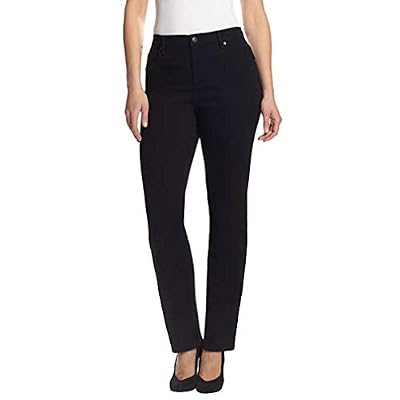
Gloria Vanderbilt Womens Amanda Classic High Rise Tapered Jean Plus Size
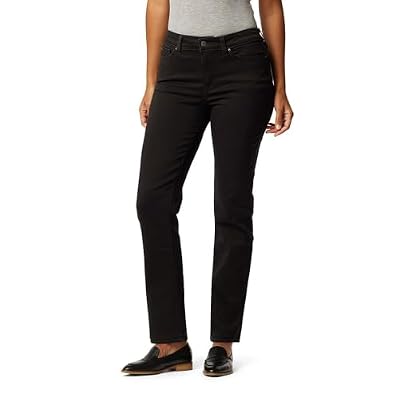

| Product | Brand | Rating | Reviews | Price |
|---|---|---|---|---|
| WallFlower Luscious Curvy Bootcut Jeans for Women, Mi… | WallFlower | ★ 4.4 | 62.9k | $34.99 |
| Gloria Vanderbilt Womens Amanda Classic High Rise Tap… | GloriaVanderbilt | ★ 4.4 | 31.3k | $31.20 |
| Gloria Vanderbilt Womens Amanda Classic High Rise Tap… | GloriaVanderbilt | ★ 4.4 | 31.3k | $20.80 |
| Levi Strauss Signature Gold Women's Totally Shaping S… | LeviStraussSignatureStore | ★ 4.4 | 30.7k | $26.52 |
| Lee Women's Plus Size Relaxed Fit Straight Leg Jean | LEE® | ★ 4.4 | 15.7k | $25.00 |
Frequently Asked Questions
What rise is most flattering for plus size jeans?
High-rise is the clear winner for most plus-size figures. It sits at or above the natural waist, smooths the tummy, prevents the back-waistband gap, and stays comfortably in place whether you are standing or sitting. It also offers more support and a longer, leaner line than mid or low rises.
How do I stop my jeans from gapping at the back?
Choose a high-rise, curvy-fit style cut for a larger hip-to-waist difference. If a pair fits everywhere except the waist, a tailor can take in the back waistband easily, or you can have a hidden elastic added. Buying for your hips and adjusting the waist almost always solves the gap.
Are stretchy jeans or rigid jeans better?
For most people, jeans with about 2 to 4 percent elastane offer the best balance of comfort, movement, and shape retention. Pure rigid denim is durable but unforgiving and requires a precise fit, while very high-stretch denim is comfortable initially but tends to bag out and lose its shape quickly.
Should I size up or down in plus size jeans?
Size to your largest relevant measurement, which is usually your hips or thighs, then tailor the waist if needed. It is far easier to take in a slightly large waist than to let out tight hips. When you are between sizes in stretch denim, the smaller size often works; in rigid denim, size up.
How can I tell if jeans are good quality before buying?
Check the fabric weight (mid to heavy holds shape best), test the recovery by stretching and releasing the waistband, and inspect for tight even stitching and sturdy hardware. Reading reviews that mention how the denim holds up after washing also helps you avoid pairs that bag out or fade quickly.
Conclusion
The best fitting plus size jeans come down to choosing the right rise, cut, and stretch for your body, then buying for your largest measurement and tailoring the rest. Favor high-rise styles, look for curvy-fit cuts to beat the back gap, and invest in quality denim that holds its shape. Once you crack the code and find a pair that truly fits, buy a backup and enjoy the rare luxury of jeans that feel as good as they look.
Related Reviews & Guides

Top Straightening Brush Picks for Thick, Curly Hair: 6 Compared
One Piece Haki Masters Ranked: Who Excels at Each Type?