
Last Updated: September 12, 2026
⚡ Key Takeaways
- Two dresses can be cut from the identical pattern and look completely different depending on the cloth.
- Not all fabrics behave the same way on a fuller figure.
- Your shape influences which combination of fabric and cut will be most flattering.
- Even the best fabric needs the right cut to shine.
Choosing the best fabrics for plus size bodies is just as important as choosing the right size, because the way a material drapes, stretches, and holds its shape determines whether an outfit feels effortless or fights you all day. The perfect cut in the wrong fabric can cling where you don’t want it to, while a thoughtfully chosen textile skims your curves and moves with you. This guide breaks down which fabrics flatter, which cuts work for different body shapes, and how to read a garment’s material content before you buy so you build a wardrobe that feels as good as it looks.
As an Amazon Associate we earn from qualifying purchases at no extra cost to you.


Related: best plus size dress pants.
🛒 Best Price Today on Amazon
Prime members get fast, free shipping on everything above, plus member-only deals. New members get a 30-day free trial — cancel anytime.
Why Fabric Matters More Than You Think
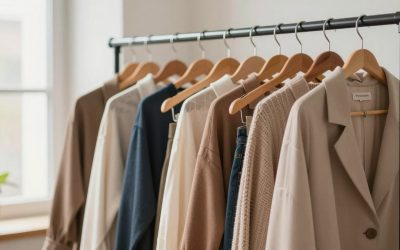
Two dresses can be cut from the identical pattern and look completely different depending on the cloth. Fabric controls three things: drape (how it falls), structure (whether it holds a shape or follows your body), and stretch (how much it gives as you move). For curvier figures, the goal is usually fabric with a fluid drape and a little stretch, which glides over the body rather than gripping it. Stiff, clingy, or overly thin materials tend to highlight every line, while medium-weight fabrics with movement create a smooth, elongating silhouette.
The Most Flattering Fabrics for Plus Size
Not all fabrics behave the same way on a fuller figure. These tend to be the most reliable choices.
- Ponte knit: A double-knit fabric that is thick, structured, and stretchy. It smooths over the midsection, holds its shape, and resists wrinkles, making it ideal for dresses, pants, and blazers.
- Jersey: Soft and drapey with natural stretch. Choose a medium-weight jersey rather than a thin one, which can cling. Great for wrap dresses and relaxed tops.
- Rayon and viscose blends: Beautiful fluid drape that skims the body. Look for blends with a touch of spandex for shape recovery.
- Crepe: A fabric with a slightly textured, matte surface that hides lumps and bumps and drapes elegantly. Excellent for workwear and dresses.
- Cotton with elastane: Breathable and comfortable with just enough give. Perfect for everyday tops and casual dresses.
- Scuba and structured knits: Provide a sculpted, smoothing effect for fitted styles when you want definition without compression.
Fabrics to Approach With Caution
Some materials demand more careful styling. Thin clingy jersey shows every contour, shiny satin reflects light and can emphasize width, and stiff fabrics like heavy linen or unlined cotton can add visual bulk. None of these are off-limits, but pair them with the right cut and a smoothing layer underneath if needed. A well-chosen cardigan over a clingy top instantly softens the look and adds a flattering vertical line.
Matching Fabric and Cut to Your Body Shape
Your shape influences which combination of fabric and cut will be most flattering. Use the table below as a starting point, then adjust to your personal taste.
| Body Shape | Goal | Best Fabrics | Best Cuts |
|---|---|---|---|
| Apple | Draw the eye up, skim the midsection | Crepe, ponte, medium jersey | Empire waist, V-neck, A-line |
| Pear | Balance hips, add volume up top | Structured knits up top, fluid rayon below | Boat necks, fit-and-flare, dark bottoms |
| Hourglass | Define the waist | Ponte, jersey with stretch | Wrap styles, belted, fitted-waist |
| Rectangle | Create curves and waist definition | Crepe, ponte, textured weaves | Peplum, ruching, belted dresses |
How Cut Works With Fabric
Even the best fabric needs the right cut to shine. A few principles apply across body types.
- Look for vertical lines. Seams, plackets, and front zippers that run up and down elongate the body. Wrap dresses create a flattering diagonal line that does the same.
- Choose strategic ruching. Gathered fabric at the side seam disguises the tummy because the eye reads texture, not contour. Ponte and jersey ruche beautifully.
- Define a waist when you want shape. A belt, a seamed waist, or a wrap closure carved into a stretchy fabric creates an hourglass effect without squeezing.
- Let A-line and fit-and-flare do the work. These cuts skim the hips and thighs while a fluid fabric keeps them from looking stiff or tent-like.
- Mind the neckline. V-necks and scoop necks in a soft fabric draw the eye upward and lengthen the torso.
Seasonal Fabric Choices
The best fabric also depends on the season and the climate you live in. In warm months, lean toward breathable, moisture-wicking fibers like cotton, linen blends, rayon, and Tencel that keep air moving and feel cool against the skin. Linen wrinkles, but a linen-cotton or linen-rayon blend softens that tendency while keeping the breathability. In cold months, reach for ponte, thicker knits, and wool blends that hold warmth without stiffness, layering them over a smooth base so nothing pulls or bunches. Matching fabric weight to the weather keeps you comfortable and prevents the common problem of a beautiful piece that is too hot or too thin for when you actually want to wear it.
Reading a Garment’s Fabric Content
Before you buy, the composition tag tells you almost everything about how a piece will perform. Look for these clues.
- Elastane, spandex, or Lycra (2 to 8 percent): Signals real stretch and recovery, which means comfort and shape retention.
- Rayon, viscose, modal, or Tencel: Indicates fluid drape and breathability, ideal for skimming styles.
- Polyester: Adds wrinkle resistance and durability; in a blend it can be excellent, though 100 percent polyester can trap heat.
- 100 percent cotton or linen: Breathable and natural, but expect wrinkles and little stretch, so honor the size chart closely.
Weight matters too. Active pieces and a good supportive activewear set rely on technical fabrics with compression and moisture-wicking, while a flowing summer dress wants something light and airy. Match the fabric to the job the garment needs to do. The same logic applies when you shop for a winter coat, where structure and warmth take priority over drape.
Top-Rated Picks


| Product | Brand | Rating | Reviews | Price |
|---|---|---|---|---|
| Fit Simplify Resistance Loop Exercise Bands with Inst… | FitSimplify | ★ 4.5 | 135.7k | $9.98 |
| Fit Simplify Resistance Loop Exercise Bands with Inst… | FitSimplify | ★ 4.5 | 135.4k | $9.98 |
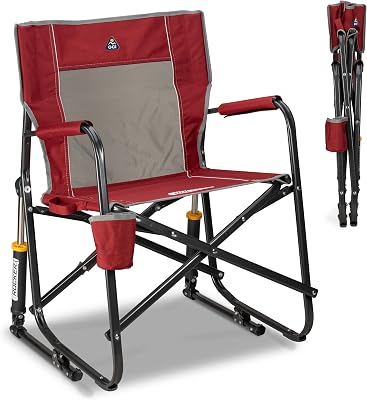
| GCI Outdoor Freestyle Rocker Camping Chair | Portable… | GCIOUTDOOR | ★ 4.8 | 45.9k | $80.00 |
| GCI Outdoor Freestyle Rocker Camping Chair | Portable… | GCIOUTDOOR | ★ 4.8 | 45.9k | $80.00 |
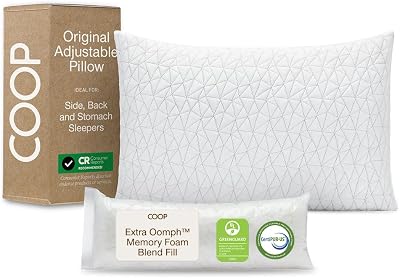
| Coop Home Goods Original Adjustable Pillow, Queen Siz… | CoopSleepGoods | ★ 4.5 | 65.7k | $71.20 |
Frequently Asked Questions
What is the single best fabric for plus size dresses?
Ponte knit is hard to beat. It is thick enough to smooth and structure your shape, stretchy enough for all-day comfort, and resilient against wrinkles. For a more fluid, romantic look, a medium-weight rayon or crepe blend with a touch of spandex is the next best choice.
Are natural fabrics or synthetics better for curvy figures?
Neither is universally better; it depends on the garment. Natural fibers like cotton breathe well but wrinkle and lack stretch. Synthetic blends often add the stretch, drape, and shape recovery that flatter curves. The sweet spot is usually a natural-synthetic blend that combines breathability with give.
How do I stop fabric from clinging to my body?
Choose medium-weight fabrics over thin ones, look for a matte rather than shiny surface, and consider a smoothing slip or shapewear underneath. Anti-static spray helps in dry weather, and styles with ruching or an A-line shape naturally hold fabric away from the body.
Does stretch percentage really matter?
Yes. Even 3 to 5 percent elastane transforms how a garment fits and moves, allowing it to follow your curves comfortably and bounce back into shape. Non-stretch wovens demand a more precise size match, while stretch fabrics give you flexibility and forgiveness.
Which fabrics work best for hiding the tummy area?
Crepe and ponte are excellent because their structure and matte texture skim rather than cling. Pair them with cuts that include side ruching, an empire waist, or a wrap front, and you create a smooth line through the midsection without any compression.
Conclusion
The best fabrics for plus size dressing are the ones that move with you, hold a flattering shape, and feel comfortable enough to forget you are wearing them. Reach for ponte, crepe, medium jersey, and stretch blends, pair them with cuts suited to your shape, and always read the composition tag before buying. When fabric and cut work together, every piece in your closet earns its place and helps you feel confident every time you get dressed.
Related Reviews & Guides


Bourbon Smash Recipe
Build and Survive the Forest Guide