
Last Updated: September 12, 2026
- Why Online Returns Happen So Often
- Step One: Always Start With Your Measurements
- Step Two: Decode the Size Chart Every Time
- Step Three: Read Reviews Like a Detective
- Step Four: Understand Fabric and Style Before Buying
- Common Online Shopping Problems and Solutions
- Step Five: Use Smart Shopping Habits
- Build a System That Works for You
- Top-Rated Picks
- Frequently Asked Questions
- Conclusion
- Related Articles
⚡ Key Takeaways
- The strategies below tackle the root causes one by one so you order the right size and style the first time, far more often than not.
- The single most effective way to reduce returns is to shop by your measurements, not your usual size.
- Never assume your size; open the specific product's size chart and match your measurements to it.
- Customer reviews are a goldmine of real-world fit information that photos cannot provide.
Learning how to shop plus size online without the endless cycle of returns saves you time, money, and a lot of frustration. Online shopping offers the widest selection of plus-size styles anywhere, but inconsistent sizing and the inability to try things on lead many people to order multiple sizes and send most of them back. The good news is that returns are largely preventable. With a few reliable habits, from knowing your measurements to decoding size charts and reading reviews strategically, you can dramatically raise your hit rate and start receiving packages full of clothes that actually fit.
As an Amazon Associate we earn from qualifying purchases at no extra cost to you.




🛒 Best Price Today on Amazon
Prime members get fast, free shipping on everything above, plus member-only deals. New members get a 30-day free trial — cancel anytime.
Why Online Returns Happen So Often
Plus-size online returns usually trace back to a handful of predictable causes: vanity sizing that makes your usual number unreliable, size charts that vary wildly between brands, fabrics that fit differently than expected, and photos that do not show how a garment falls on a body like yours. Each of these is solvable. The strategies below tackle the root causes one by one so you order the right size and style the first time, far more often than not.
Step One: Always Start With Your Measurements
The single most effective way to reduce returns is to shop by your measurements, not your usual size. Brands set their own charts, so a number that fits at one store may be two sizes off at another. Keep an updated record of your key measurements and consult it every time.
- Measure your bust, waist, hips, and high hip, plus your inseam for pants.
- Save the numbers in your phone so they are always with you while shopping.
- Re-measure every few months, since bodies change and outdated numbers cause mis-orders.
- Note your back-waist length and height to judge where hems will land.
Step Two: Decode the Size Chart Every Time
Never assume your size; open the specific product’s size chart and match your measurements to it. Two details matter most.
- Body vs. garment measurements: Some charts list your body measurements, while others list the flat dimensions of the garment itself. For garment measurements, add a few inches of ease for comfortable movement.
- Size to your largest measurement: If your hips fall in one size and your waist in another, order for the larger and plan to tailor or choose forgiving styles. This prevents the most common fit failures.
When you treat the size chart as your primary guide rather than the size label, your accuracy jumps immediately.
Step Three: Read Reviews Like a Detective
Customer reviews are a goldmine of real-world fit information that photos cannot provide. Read them strategically.
- Filter for reviews that mention height, weight, and usual size, then find reviewers similar to you.
- Look for repeated phrases like “runs small,” “very stretchy,” or “longer than expected.”
- Prioritize reviews with customer photos, which show how the item falls on real bodies.
- Note comments on fabric quality, sheerness, and whether the color matches the listing.
A few minutes reading reviews often reveals exactly which size to order and whether a piece is worth buying at all.
Step Four: Understand Fabric and Style Before Buying
The product description tells you how a garment will behave. Check the fabric content for stretch and drape, since a piece with elastane is forgiving while a rigid woven demands a precise fit. Favor forgiving styles when you are unsure of a brand, such as wrap dresses, A-line cuts, elastic waists, and knit fabrics that accommodate a range of measurements. A flowing A-line skirt or a stretchy knit dress is far more return-proof than a structured, non-stretch garment when you cannot try it on.
Common Online Shopping Problems and Solutions
| Problem | Cause | Solution |
|---|---|---|
| Item arrives too small | Vanity sizing; chart not checked | Shop by measurements; size up when unsure |
| Wrong length | Photos do not show your height | Check garment length; read reviews on height |
| Fabric too thin or sheer | Photos hide quality | Read reviews; check fabric weight and content |
| Color looks different | Screen and lighting variance | Look at customer photos in reviews |
| Unflattering fit | Style not suited to your shape | Choose forgiving cuts; learn your best styles |
Step Five: Use Smart Shopping Habits
A few practical habits further reduce returns and make online shopping smoother overall.
- Buy from brands you know fit you. Once you find a reliable retailer, repeat purchases are low-risk.
- Check the return policy before ordering. Free, easy returns give you a safety net when trying a new brand.
- Keep a fit journal. Note which brands and sizes worked so future orders are quick and accurate.
- Order one size when confident, two only when truly unsure and returns are free, then keep the better fit.
- Build around proven staples. Reliable pieces like a favorite cardigan or a trusted coat brand anchor your wardrobe with confidence.
Build a System That Works for You
The shoppers who avoid constant returns are not lucky; they have quietly built a personal system that removes the guesswork. Start a simple note or spreadsheet listing every successful purchase, including the brand, the style, the size you ordered, and how it fit. Over a few months this becomes a powerful reference that tells you exactly which size to order from each retailer you trust. Pair that with your saved measurements, and reordering from a known brand becomes nearly foolproof, while trying a new brand becomes a calculated risk rather than a blind gamble.
It also helps to slow down at checkout. Many returns come from impulse buys made without checking the chart or reviews. Before you click order, run a quick mental checklist: Did I match my measurements to this product’s chart? Did I read reviews from people my size? Is the fabric forgiving or rigid? What is the return policy? Thirty seconds of verification prevents the days of hassle that a return involves, and over time these small habits transform your hit rate and your relationship with online shopping.
Top-Rated Picks


| Product | Brand | Rating | Reviews | Price |
|---|---|---|---|---|
| Fit Simplify Resistance Loop Exercise Bands with Inst… | FitSimplify | ★ 4.5 | 135.7k | $9.98 |
| Fit Simplify Resistance Loop Exercise Bands with Inst… | FitSimplify | ★ 4.5 | 135.4k | $9.98 |
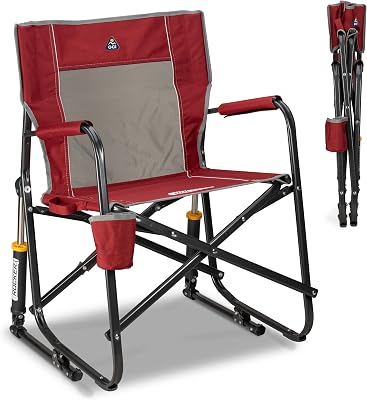
| GCI Outdoor Freestyle Rocker Camping Chair | Portable… | GCIOUTDOOR | ★ 4.8 | 45.9k | $80.00 |
| GCI Outdoor Freestyle Rocker Camping Chair | Portable… | GCIOUTDOOR | ★ 4.8 | 45.9k | $80.00 |
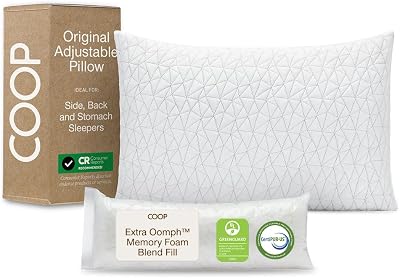
| Coop Home Goods Original Adjustable Pillow, Queen Siz… | CoopSleepGoods | ★ 4.5 | 65.7k | $71.20 |
Frequently Asked Questions
Why do online plus size clothes fit so inconsistently?
Because there is no universal sizing standard in the United States, every brand creates its own size chart, and vanity sizing shifts the numbers further. A size 18 at one store can equal a 20 or 16 at another. This is exactly why shopping by your measurements against each product’s chart, rather than by your usual size, is so important.
Should I order multiple sizes to find the right fit?
Only when returns are free and you are genuinely unsure, since ordering multiples ties up money and creates extra returns. A better approach is to shop by your measurements, read the size chart and reviews carefully, and order a single confident size. Reserve multi-size ordering for new brands with generous return policies.
How do I know if an item will be flattering before it arrives?
Read reviews with customer photos to see how the piece falls on real bodies, especially reviewers similar to your height and shape. Check the fabric content for drape and stretch, and favor forgiving styles like wrap and A-line cuts. Knowing which silhouettes suit your shape also helps you predict fit from the product photos.
What should I look for in a return policy?
Look for free returns, a reasonable window of at least 30 days, and the option to return by mail or in store. Brands with easy, no-cost returns are lower risk to try, while restrictive or paid-return policies mean you should be extra confident in your size and the reviews before ordering.
How can I avoid returns when trying a brand for the first time?
Start with one forgiving, measurement-matched piece rather than a big order, read reviews from similar customers, and confirm the return policy. Choosing a stretchy or A-line style for your first purchase lowers the fit risk, and once you confirm a brand fits you well, future orders become much safer and faster.
Conclusion
You can shop plus size online without constant returns by working with your measurements, decoding each size chart, reading reviews like a detective, and favoring forgiving styles and trusted brands. These habits attack the real causes of mis-fits, so far more of your orders arrive ready to wear. A little preparation up front turns online shopping from a frustrating gamble into a reliable way to access the widest, most exciting plus-size selection available anywhere.
Related Reviews & Guides

ARM vs x86: Key Differences, Performance, and Uses
Best Multi Needle Embroidery Machines for Business