
Last Updated: September 7, 2026
- Watch: How to Find Plus-Size Jeans That Fit Perfectly: A Buyer’s Guide — Video Review
- Understand Your Rise Before Anything Else
- Prioritize Stretch Percentage and Recovery
- Match Leg Shape to Your Proportions
- Check Fabric Weight and Pocket Placement
- Try Before You Commit to a Size Run
- Tips
- Frequently Asked Questions
- Conclusion
- Related Articles
- Related Guides
Finding plus-size jeans that actually fit well can feel like a full-time job. Rise, stretch percentage, leg shape, and fabric weight all interact differently on curvy bodies, so a pair that looks great on a size chart can still gap at the waist or squeeze at the thigh. The good news is that denim brands have gotten much smarter about curve-specific construction in 2026, with more curvy-fit lines, built-in tummy control panels, and true stretch-recovery fabrics than ever before.
This guide breaks down exactly what to look for in rise, stretch, leg shape, and fabric so you can shop with confidence instead of guesswork. Below are a few standout options worth trying first, followed by the details that will help you pick the right fit every time.
As an Amazon Associate we earn from qualifying purchases at no extra cost to you.





⚡ Save on Your Next PC — Amazon Prime
Prime members get fast free shipping on the systems above, plus early access to Prime Day & Black Friday PC deals. New members get a 30-day free trial.
Watch: How to Find Plus-Size Jeans That Fit Perfectly: A Buyer’s Guide — Video Review
Understand Your Rise Before Anything Else
Rise (the distance from crotch seam to waistband) matters more than size on curvy bodies. A high rise that sits at or above the natural waistline, typically 10 to 12 inches on a size 18-20, prevents gapping and muffin-top spillover far better than a mid-rise cut on the same body.
- High-rise styles like the Gloria Vanderbilt Amanda Classic High Rise Tapered Jean are built to sit above the belly, which keeps the waistband anchored during movement.
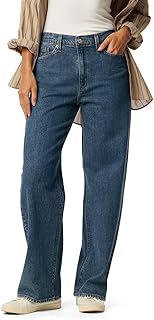
- Mid-rise options, such as the Levi’s Signature Gold Heritage Wide Leg in the curvy fit, work well if you prefer a slightly lower sit but still want stretch denim that won’t slide down.
- Avoid low-rise unless you know your torso proportions well, since it’s the most prone to gapping on fuller hips.
Prioritize Stretch Percentage and Recovery
Stretch content and recovery (the fabric’s ability to bounce back to shape) are not the same thing. A jean can have 2% elastane and recover perfectly, or 10% and sag by noon. Look for denim blended with lycra or spandex plus a recovery claim like “all-day shape retention.”
- The Lee Women’s Flex Motion Regular Fit Bootcut Jean uses a four-way stretch weave designed specifically to move with the body during sitting and bending.
- The Levi’s Signature Gold Totally Shaping Pull On Bootcut Jeans skip a traditional zipper entirely, relying on stretch denim and an internal shaping panel for a snug, gap-free waist.
- Denim under 1.5% elastane tends to feel stiff on curves; anything above 3% with a recovery finish usually holds shape through a full day of wear.
Match Leg Shape to Your Proportions
Leg shape affects how balanced your silhouette looks, not just comfort. Bootcut and wide-leg styles tend to flatter fuller thighs and hips by creating a straighter visual line from hip to hem.
- Bootcut jeans, like the Lee Flex Motion or Levi’s Totally Shaping Bootcut, balance wider hips with a slight flare at the ankle.
- Wide-leg styles, including the Levi’s Signature Gold Heritage Wide Leg and the Women’s High Waisted Wide Leg Jeans with Retro Patch Pockets, offer a relaxed, 70s-inspired silhouette that skips tight thigh fabric altogether.
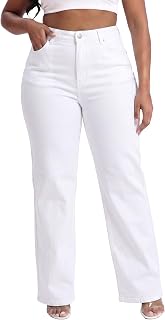
- Straight-leg styles, such as the Gocolloa Plus Size Straight Leg Jeans, work well for those who want a clean line without added flare or taper.
- Tapered jeans, like the Gloria Vanderbilt Amanda, narrow slightly at the ankle and suit those who prefer a more fitted finish through the calf.
Check Fabric Weight and Pocket Placement
Heavier denim (around 11 to 13 oz) holds shape and resists sheerness at the thighs, a common complaint with thinner stretch jeans. Pocket placement also matters more than most shoppers expect, since back pockets set too high or too close together can visually widen the hips.
- Retro patch pockets, as seen on the vintage-style wide-leg jeans, sit lower and wider, which tends to balance a curvier seat.
- Mid-weight stretch denim, like the fabric used in the Gocolloa Straight Leg Jeans, resists bagging out at the knee after repeated wear.
- Lighter denim under 9 oz is more prone to thinning at stress points like inner thighs within a year of regular wear.
Try Before You Commit to a Size Run
Plus-size denim sizing still varies significantly between brands, sometimes by two full sizes for the same labeled number. Ordering two adjacent sizes in a new brand and returning one is standard practice among frequent denim shoppers.
- Curvy-specific cuts, like the Levi’s Curvy Heritage Wide Leg, are sized differently than the brand’s standard fit, so check the specific product’s size chart rather than relying on past Levi’s purchases.
- Pull-on styles without a zipper, like the Levi’s Totally Shaping Bootcut, often run slightly smaller in the waist since the shaping panel compresses more than expected.
Tips
- Try jeans on at the time of day you’ll wear them most, since waist and thigh measurements can shift by up to half an inch by evening.
- Sit down and walk a few steps before deciding on fit; gapping and rise issues usually show up in motion, not while standing still.
- Wash new denim once before final judgment, since raw stretch fabric often loosens slightly after the first cycle.
- Keep a running note of your best-fitting brand and size combo, since plus-size denim sizing rarely stays consistent season to season.
Frequently Asked Questions
What rise is best for a curvy midsection?
High-rise jeans sitting at or above the natural waistline generally perform best, since they anchor above the widest part of the belly instead of cutting across it.
Do pull-on jeans actually stay up without a zipper?
Yes, when they include a structured shaping panel and sufficient elastane, like the Levi’s Signature Gold Totally Shaping Pull On Bootcut Jeans. The panel functions similarly to shapewear, holding the waistband in place without a traditional closure.
Are wide-leg jeans flattering on fuller hips?
Generally yes. Wide-leg cuts create a straight visual line from hip to hem, avoiding the tight-through-the-thigh look that skinny or slim styles can create on curvier proportions.
How much should I expect to pay for well-fitting plus-size jeans in 2026?
Quality stretch denim with good recovery typically runs $40 to $70. Budget options under $30, like the Gocolloa Straight Leg Jeans, can still perform well if the stretch percentage and fabric weight are solid.
Conclusion
The right pair of plus-size jeans comes down to matching rise, stretch, and leg shape to your specific proportions rather than chasing a single “best” style. Start with a high or mid-rise cut in a fabric with real recovery, choose a leg shape that balances your hips, and don’t hesitate to order a size range when trying a new brand. With these fundamentals, finding denim that fits well becomes far less of a gamble.
Related Reviews & Guides

Best KVM Switches for Managing Multiple Computers

Best Art Supply Organizers for Studio Storage