

Last Updated: September 18, 2026
Deodorant marks can turn a favorite dress into a frustrating laundry project, especially when a plus-size garment has larger underarm panels, longer seams, or fabric that stays damp longer. White transfer usually comes from powdery antiperspirant ingredients, while yellow or gray buildup is more often a combination of sweat, body oils, and product residue. The good news is that most fresh marks can be removed at home.
For the best results, treat the area before washing and avoid heat until the stain is gone. A hot dryer can set oily residue into synthetic fibers, making the mark harder to remove. Scrubbing too aggressively can also create fuzzing, shine, or a permanently lighter patch. This guide explains how to remove deodorant from plus size dresses while protecting the fit, color, and finish of the garment in 2026.
As an Amazon Associate we earn from qualifying purchases at no extra cost to you.

Quick answer: Our top pick in 2026 is the Clean white microfiber cloths — our #1 rated choice. See the full ranked comparison, alternatives and buying advice below.
What You Need
| Item | Why | Optional? |
|---|---|---|
| Clean white microfiber cloths | Blot moisture and lift residue without adding dye or rough friction | No |
| Soft-bristled toothbrush or laundry brush | Works cleaner into textured fabric and seams | Yes |
| Liquid laundry detergent | Breaks down sweat, body oils, and antiperspirant residue | No |
| Clear dish soap | Helps loosen oily buildup on washable, colorfast fabric | Yes |
| White vinegar | Can help reduce odor and loosen some mineral residue when diluted | Yes |
| Spray bottle | Makes it easy to apply a diluted cleaning solution evenly | Yes |
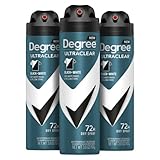
| Degree Men Antiperspirant Deodorant Dry Spray Black + White 3 Pack, 3.8 oz | A prevention reference for reducing future white marks on dark clothing; listed price is about $17.37 | Yes |
| Degree UltraClear Antiperspirant Dry Spray Pure Clean, 3.8 oz, 3 Count | A prevention reference marketed for reducing visible transfer; listed price is about $66.28 | Yes |
Always read the dress’s care label first. Silk, rayon, acetate, leather trim, sequins, velvet, and garments labeled “dry clean only” need more caution than cotton or polyester jersey. Before treating a visible area, test the solution on an inside hem or seam allowance measuring about 1 inch.
Step-by-Step
Check the care label and stain age — 2 minutes
Identify the fiber, washing instructions, and any special finishes. If the label says dry clean only, do not saturate the underarm area. For washable dresses, inspect both the outside and inside of the underarm. A fresh white streak may need only dry brushing, while a yellowed or stiff area needs a liquid treatment.
Remove dry surface residue — 1 to 2 minutes
Lay the dress flat on a clean towel. Gently brush or rub the mark with a dry white microfiber cloth. Use short strokes from the outside of the mark toward the center. On black or navy fabric, this step may remove most of a fresh powdery streak. Do not use a colored towel, paper towel, or rough sponge, which can leave lint or cause pilling.
Make a mild cleaning solution — 3 minutes
For most washable cotton, polyester, nylon, and jersey dresses, mix 1 cup of cool or lukewarm water with 1 teaspoon of liquid laundry detergent. For oily, older buildup, add 2 or 3 drops of clear dish soap. Do not combine vinegar with bleach or other chemical cleaners.
For odor or light mineral residue, you can instead mix 1 part white vinegar with 3 parts water. Use this sparingly and test it first, particularly on dark or brightly colored fabric. Never use vinegar on acetate, silk, or other delicate materials unless the care instructions specifically allow it.
Blot and gently work in the solution — 5 to 10 minutes
Dampen a white cloth with the detergent mixture and press it onto the stain. Work from the outside inward so the mark does not spread. For sturdy fabric, gently brush the area with a soft toothbrush using 10 to 15 light strokes. Concentrate on the underarm seam, where product and sweat often collect.
Avoid soaking the entire bodice. Plus-size dresses can hold a significant amount of water, and excess moisture may stretch knit fabric or make drying take much longer. Treat an area roughly 2 inches beyond the visible mark, then blot with a second cloth dampened with plain water.
Let the treatment rest — 10 to 15 minutes
Leave the dress flat while the solution works. Keep it out of direct sunlight, which can fade some dyes, and away from a radiator, hair dryer, or heated dryer. If the stain is old and the fabric is sturdy, you may repeat the application once after blotting. Do not let detergent dry completely into the fabric.
Wash according to the label — 30 to 45 minutes
Wash the dress using the coolest setting that the care label permits. Use the normal amount of detergent for a small or medium load; too much detergent can leave additional residue. Turn dark or printed dresses inside out, and place delicate items in a mesh bag at least 12 by 16 inches so the underarm area is not rubbed against zippers or hooks.
Wash the dress separately if the deodorant has transferred onto a pale or white garment. Do not add chlorine bleach unless the label permits it and the fabric is confirmed bleach-safe. Oxygen bleach can be useful on some white or colorfast fabrics, but it should also be patch-tested and used according to its package directions.
Air-dry and inspect — 2 to 6 hours
Press excess water out with a towel rather than twisting the dress. Reshape the shoulders, waist, and hem, then hang the garment on a broad hanger or lay it flat. A fan can improve air circulation, but avoid high heat. Check the underarm area in bright, indirect light once the dress is fully dry.
If any mark remains, repeat the treatment before using a dryer. Two gentle treatments are safer than one aggressive scrubbing session. Once the stain is gone, you can tumble-dry only if the care label allows it; choose low heat and remove the dress while it is slightly damp.
Mistakes to Avoid
- Using hot water immediately: Heat can set sweat proteins and oily antiperspirant residue, especially in polyester and nylon.
- Scrubbing with a hard brush: This may roughen knits, create a shiny patch, or damage rayon and delicate blends.
- Applying undiluted vinegar or detergent: Concentrated products can affect dye, coatings, and fabric texture.
- Using chlorine bleach on yellow marks: Bleach can worsen yellowing on some synthetic fibers and weaken the dress.
- Drying before checking: Always inspect the stain after washing but before heat-drying.
- Ignoring the inside of the dress: Residue often collects against the skin and can transfer back after the outer surface looks clean.
- Spraying new deodorant onto clothing: Apply product to clean, dry skin and allow it to dry fully before dressing. Dry sprays may reduce transfer, but no product guarantees a mark-free result on every fabric.
How Often
Treat a visible mark as soon as possible, ideally the same day. After each wear, check the underarms before placing a dress in a hamper. If you regularly wear a washable dress, wash it after one to three wears, depending on sweat, odor, and the fabric’s care instructions. Dresses worn during exercise or hot weather may need washing after one wear.
For prevention, allow deodorant or antiperspirant to dry for at least 60 seconds before putting on the dress. Wearing a breathable camisole or washable underarm shield can reduce contact with the garment. Avoid applying extra product to compensate for a difficult day; more residue does not necessarily provide better protection.
When to Call a Pro or Replace
Take the dress to a professional cleaner if it is labeled dry clean only, has silk or acetate underarm panels, contains structured interfacing, or has beading, sequins, leather, or decorative trim near the stain. Tell the cleaner what product was used and whether the garment has already been washed or dried.
Consider replacing the dress only after professional cleaning and a careful inspection. Replacement may make sense if the fabric is thinning, the underarm area smells sour even when clean, the color has permanently changed, or the mark has spread through multiple layers. A small remaining shadow on an inexpensive, frequently worn dress may be less costly to live with than repeated harsh treatments that damage the fabric.
FAQ
Can I remove deodorant marks without washing the whole dress?
Yes, for a fresh mark. Brush away dry residue, blot with diluted detergent, then blot again with plain water. Allow the area to air-dry completely. This works best for small marks on washable, colorfast dresses.
Why do deodorant stains turn yellow?
Yellowing usually develops when antiperspirant ingredients combine with sweat, body oils, and repeated washing. Heat can make the discoloration harder to remove. Treat the area before drying and use a mild detergent solution rather than aggressive bleach.
Is baking soda safe for plus-size dresses?
It can be too abrasive when rubbed directly into fabric, and a paste may leave powder behind. If you use it, dissolve a small amount fully in water, patch-test first, and avoid it on silk, rayon, velvet, and coated materials. A liquid laundry detergent is generally the safer first choice.
How can I remove deodorant from a black dress?
Start with a dry white cloth, since fresh white transfer may lift without water. If needed, use diluted detergent and gentle blotting. Avoid powdery cleaners and heavy brushing, which can leave a pale, shiny patch on black fabric. Air-dry and inspect before applying heat.
Ready to decide? Our #1 pick for 2026 is the Clean white microfiber cloths.
Live price & availability on Amazon.
Related Reviews & Guides





6 Best Plus Size Xmas Sweaters 2026

6 Best Shorts For Plus Size Ladies 2026