
Last Updated: September 18, 2026
When plus-size shapewear rolls down, the problem is usually not your body—it is the garment’s fit, construction, or placement. A waistband that is too small can curl into a tight band, while one that is too large may slide because it cannot create steady, even contact with your torso. Moisture, body lotion, rough seams, and wearing the wrong layer underneath can make the problem worse.
Done badly, shapewear can bunch at the waist, pinch your ribs, restrict comfortable breathing, chafe your skin, or create more visible lines beneath clothing. The goal is firm, smooth support—not maximum compression. Use the following process to find a secure fit and keep it in place through sitting, walking, and normal movement in 2026.
As an Amazon Associate we earn from qualifying purchases at no extra cost to you.

Quick answer: Our top pick in 2026 is the Correctly sized high-waisted shapewear — our #1 rated choice. See the full ranked comparison, alternatives and buying advice below.
What You Need
| Item | Why | Optional? |
|---|---|---|
| Correctly sized high-waisted shapewear | A stable waistband should sit flat without cutting into your ribs or rolling at the first bend. | No |
| Soft measuring tape | Helps you compare your waist and hip measurements with the brand’s size chart instead of guessing from dress size. | No |
| Clean, dry skin | Reduces sliding caused by body oil, lotion, sweat, or powder buildup. | No |
| Seamless underwear or a smooth slip | Prevents bulky elastic and thick seams from pushing the garment downward. | Usually optional |
| Full-length mirror | Lets you check whether the waistband is level from front to back. | Yes |
| Second shapewear style or size | Useful if your waist and hip measurements fall into different size ranges or the first style keeps sliding. | Yes |
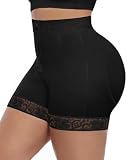
Two reference options include FeelinGirl Butt Hip Enhancer Shapewear Shorts for Women No Rolling Down Breathable Black 3XL, listed at about $29.99, and SHAPELLX Plus Size Shapewear Shorts for Women High Waist Faja, listed at about $44.50. Prices can change, and neither “no rolling down” wording replaces checking measurements, garment construction, or your comfort.
Step-by-Step
1. Measure your waist and hips — 5 minutes
Measure over bare skin or a thin base layer, standing normally without sucking in. Place the tape around the narrowest part of your torso for your waist measurement. For hips, measure around the fullest part of your seat, keeping the tape level with the floor. Do not pull the tape tight enough to compress your body.
Write down both numbers to the nearest 1/4 inch. Compare them with the specific brand’s chart. If your waist fits one size and your hips fit another, choose according to the brand’s instructions or contact customer service. Do not automatically size down to get stronger compression. A garment that is too small is more likely to fold, curl, or migrate downward.
2. Inspect the garment before putting it on — 2 minutes
Look for a wide, firm waistband, intact stitching, and fabric that recovers after gentle stretching. A waistband around 2 to 4 inches wide often distributes pressure more comfortably than a narrow elastic strip, although construction varies by garment. Check for twisted seams, damaged elastic, loose threads, or a stretched-out top edge.
Confirm the front, back, and leg openings. If the garment has shaping panels, position them according to the manufacturer’s directions. Never wear damaged shapewear in the hope that a tight outfit will hold it in place.
3. Prepare your skin and base layer — 3 minutes
Put shapewear on clean, completely dry skin. Allow body lotion, oil, self-tanner, or sunscreen to absorb fully before dressing; residue can reduce friction between the garment and your skin. If you sweat easily, choose a breathable style and avoid applying powder directly inside the garment, where it can collect and irritate skin.
Wear smooth, low-bulk underwear. Thick waistbands, textured lace, control briefs, and bulky seams can create a ridge that encourages the shapewear to fold. If your outfit allows it, a thin, seamless layer can make the garment easier to position and reduce chafing.
4. Put it on gradually, not by pulling the waistband — 5 minutes
Step into shorts or briefs one leg at a time. Gather the garment in your hands like an accordion and pull it upward in small sections, moving from the thighs to the hips. Use your palms to guide the fabric rather than yanking the top edge.
Once it reaches your hips, continue lifting from the side seams and lower panels. Make sure the seat is fully inside the back coverage and that the leg openings are not twisted. If you have to strain, hold your breath, or pull hard enough to distort the seams, stop and reassess the size.
5. Set the waistband above the natural crease — 3 minutes
Stand upright and place the waistband where the garment was designed to sit. It should be level around your torso, with no section folded over itself. For high-waisted shorts, the top edge generally sits at or above the natural waist rather than across the softest crease beneath it.
Run two fingers around the waistband and smooth the fabric outward from the center. Check the front, sides, and back in a mirror. If the waistband is lower in back, pull up the back panel gradually instead of tightening the front. If it immediately rolls when you sit, the rise may be too short for your torso or the size may be too small.
6. Test movement before dressing — 5 minutes
Walk for one minute, sit in a firm chair, bend carefully, reach overhead, and take several normal breaths. The shapewear should remain in place without sharp pinching, numbness, painful pressure, or restricted breathing. A little firm resistance is expected; pain is not.
If it shifts, remove it and reposition the entire garment. Do not repeatedly tug only the waistband, which can create uneven tension. If it rolls again after two careful adjustments, try a different size, a longer-rise style, or a design with a wider waistband and more torso coverage.
7. Put on clothing and recheck — 3 minutes
Dress slowly, smoothing your clothing over the shapewear rather than dragging the outer garment against the waistband. Sit and stand once more. Check for a horizontal ridge, visible bulges caused by a folded edge, or a leg opening that has twisted.
For a first wear, limit testing to about 30 to 60 minutes at home. If the garment stays flat and feels comfortable, you can extend wear gradually. Follow the product’s care label, usually washing in cool or lukewarm water with mild detergent and air-drying. High heat can damage elastic recovery.
Mistakes to Avoid
- Sizing down for extra control: Smaller does not always mean smoother. It can create a concentrated pressure band that rolls down.
- Choosing by dress size alone: Shapewear charts often use separate waist and hip measurements.
- Pulling from the top edge: This stretches the waistband and can distort its shape.
- Leaving the back lower than the front: An uneven waistband often slides toward the narrowest part of your torso.
- Layering bulky underwear: Extra elastic and seams can push the garment out of alignment.
- Applying lotion immediately beforehand: Oils and moisture can make fabric slip.
- Wearing it while sleeping or exercising: Most everyday shapewear is not designed for overnight or high-intensity use.
- Ignoring symptoms: Remove the garment if you notice pain, tingling, numbness, skin discoloration, or difficulty breathing.
How Often
Wear shapewear for the occasion and duration you can tolerate comfortably; there is no benefit to forcing an all-day wear period. Start with 30 to 60 minutes when testing a new style, then increase to several hours if your skin and circulation feel normal. Take breaks during long events, especially if you will be sitting for more than two hours.
Wash it after each use or according to the care label, particularly if you sweat. Rotate two garments when possible so the elastic can recover between wears. Air-dry rather than using a dryer unless the label specifically permits heat. Inspect the waistband every few washes for curling, cracking, thinning, or permanent stretching.
When to Call a Pro or Replace
Ask the brand’s fit team, a professional bra or shapewear fitter, or a tailor experienced with stretch garments if your waist and hip measurements fall into different size categories, the rise never matches your torso, or you cannot determine where the garment should sit. A tailor may be able to adjust an outer garment, but altering compression wear can damage its support and is not always practical.
Replace shapewear when the elastic no longer recovers, the waistband rolls even on clean dry skin, seams separate, fabric becomes transparent from overstretching, or the garment causes repeated chafing. Seek medical advice promptly for persistent pain, numbness, swelling, skin color changes, or breathing problems after removing it. People with circulation conditions, recent surgery, or other medical concerns should ask a clinician before using firm compression.
FAQ
Why does my plus-size shapewear roll down when I sit?
Sitting shortens the distance between your ribs and hips, exposing weak points in a waistband that is too tight, too short in the rise, or positioned below its intended height. A longer-rise style, wider waistband, or different size may stay flatter. Always test the garment seated before wearing it to an event.
Should I wear underwear under shapewear?
Follow the garment’s instructions, but many people prefer seamless underwear underneath for hygiene and comfort. Choose a smooth waistband no wider than necessary, and avoid thick elastic that creates a ridge. If underwear causes bunching, try a seamless brief or a thin, smooth base layer.
Can body tape stop shapewear from rolling?
Body tape may temporarily anchor an edge, but it does not correct poor sizing or an incompatible rise. Adhesives can irritate skin and may damage delicate fabric. Test any skin-safe product on a small area first, and do not apply tape to broken, freshly shaved, or irritated skin.
Is rolling a sign that shapewear is too small?
Often, but not always. Rolling can also indicate that the garment is too large, too short for your torso, twisted, worn over slippery lotion, or mismatched to your proportions. Compare your measurements with the size chart, check the waistband while standing and sitting, and replace the style if it repeatedly shifts after correct positioning.
Ready to decide? Our #1 pick for 2026 is the Correctly sized high-waisted shapewear.
Live price & availability on Amazon.
Related Reviews & Guides



6 Best Plus Size Dresses For Men 2026

4 Best Plus Size Beach Chair Heavy Duties