
Last Updated: September 18, 2026
Quick answer: Our top pick in 2026 is the Open-front knit jacket — our #1 rated choice. See the full ranked comparison, alternatives and buying advice below.
The Short Answer
Yes—a plus size blazer is worth it if you choose one based on your actual measurements, shoulder fit, and intended use rather than the size printed on the tag. A well-fitting blazer can make jeans, dresses, trousers, and simple tops look more polished, while giving you a practical third layer for work, travel, dinners, and events.
The condition is simple: it must fit comfortably when buttoned or closed. If the shoulders pull, the sleeves stop too high, or the front strains across your bust or stomach, the blazer will probably feel restrictive and look less polished than a cardigan or open jacket. In 2026, affordable options make the purchase fairly low-risk, but fit remains more important than price.
As an Amazon Associate we earn from qualifying purchases at no extra cost to you.


What You Actually Get
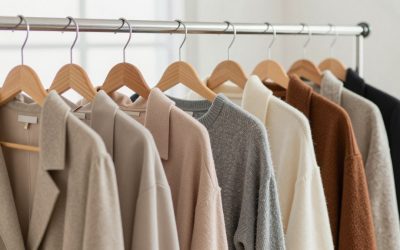
A plus size blazer is usually a structured layering piece with a lapel, long sleeves, and a front that may be open, buttoned, or secured with a single closure. Unlike a loose cardigan, it adds shape through the shoulders and torso. That structure is the main reason it can make a basic outfit appear intentional.
At the budget end, expect a lightweight fashion blazer rather than a fully tailored suit jacket. Many affordable versions use polyester or a polyester blend, which can be wrinkle-resistant and easy to wash but may feel warmer or less breathable than wool, cotton, linen, or a high-quality stretch fabric. Construction also varies. Look for lining, finished seams, sturdy buttons, and sleeves that do not twist when you bend your arms.
Price is a useful starting point. The Cicy Bell Womens Plus Size Casual Blazer Lapel Long Sleeve Suit Jackets is listed at $49.99, while the ELLEVEN Women’s Business Casual Blazer Suit Jacket Black Large is listed at $36.67. Those prices place them in the affordable category, where you can reasonably expect a versatile wardrobe layer but should inspect the size chart and customer photos carefully.
Before ordering, measure your bust, waist, hips, shoulder width, and sleeve length. Compare those numbers with the garment’s chart, not just your usual dress size. For a blazer you plan to button, leave approximately 1 to 2 inches of ease around the fullest part of your bust and stomach. If you intend to wear it open over thin tops, you can tolerate a closer fit, but the shoulder seams should still sit near the edge of your shoulders.
Pros
- It upgrades inexpensive outfits. A blazer can make a $20 pair of jeans and a plain T-shirt look suitable for a casual office, appointment, or dinner.
- It is more versatile than it looks. Wear one with trousers, leggings, jeans, a midi dress, or a skirt. Black, navy, gray, tan, and subtle patterns tend to work with the most outfits.
- It adds useful structure. Lapels and defined shoulders can create a sharper outline than a loose sweatshirt or draped cardigan.
- It works across seasons. Lightweight versions can replace a sweater indoors, while heavier styles can layer under a coat in cooler weather.
- It can be worn open. Leaving the front unbuttoned reduces pressure across the midsection and creates long vertical lines without requiring a perfect buttoned fit.
- The cost per wear can be low. A $40 blazer worn twice a month for a year costs less than $2 per wear before considering future use.
- It supports multiple dress codes. The same jacket can work for a business-casual office, travel day, presentation, brunch, or evening event when styled differently.
Cons
- Fit problems are obvious. Pulling at the buttons, collapsed lapels, tight upper arms, and shoulder seams that sit too far inward can make the garment look uncomfortable.
- Budget fabric may not breathe well. Polyester-heavy fabric can feel warm during commuting, crowded events, or summer wear, especially when fully lined.
- Many plus-size styles are not proportioned evenly. A jacket may have enough room at the bust but sleeves that are too short, or a comfortable hip measurement with narrow shoulders.
- Alterations can erase the savings. Sleeve shortening may cost roughly $15 to $35, while more involved waist or shoulder work can cost considerably more depending on your location and the garment.
- Some inexpensive blazers look too casual. Thin fabric, shiny surfaces, weak lapels, and uneven stitching may not suit formal offices or important interviews.
- Care requirements vary. A blazer that needs frequent dry cleaning can be less convenient than a washable knit jacket, even if its purchase price is lower.
- It may not be comfortable for everyone. If you dislike restrictive sleeves, stiff shoulders, or structured clothing, a soft overshirt may earn more wear.
Who Should Buy It
Buy a plus size blazer if you regularly need to look polished without wearing a full suit. It is particularly useful for office workers, job seekers, teachers, presenters, travelers, and anyone whose wardrobe consists mostly of casual basics. It is also a smart choice if you frequently wear sleeveless tops or dresses but want an easy layer that feels more refined than a hoodie.
Choose a classic color if this is your first blazer. Black offers the broadest range of styling options, but navy, charcoal, camel, and dark olive can be just as practical. A single-breasted style with a moderate lapel is generally easier to wear than an exaggerated double-breasted design. If you prefer to leave jackets open, look for a clean front, fabric with enough drape, and a length that falls around the high hip to mid-thigh.
A blazer is also worth considering if you are willing to spend a few minutes checking measurements. A garment that costs $35 to $50 can be a strong purchase when the shoulders, armholes, and sleeve length work for you.
Who Should Skip It
Skip a traditional blazer if you need a highly breathable layer, dislike structured clothing, or rarely wear outfits that benefit from a tailored finish. A blazer may sit unused if your daily wardrobe is athletic, very relaxed, or built around oversized silhouettes.
You should also skip a particular blazer when the size chart does not provide enough information, reviews repeatedly mention inconsistent sizing, or the return policy is unfavorable. Do not size down hoping to create a slimmer appearance. A too-small jacket usually shows tension across the bust and stomach and limits arm movement.
If you need a jacket for a formal interview, court appearance, or event where appearance matters significantly, consider spending more on fabric and construction or shopping in person. An inexpensive blazer can work beautifully for business casual, but not every budget style has the finish expected in a formal setting.
Cheaper Alternatives
| Option | Cost | Trade-off |
|---|---|---|
| Open-front knit jacket | $20–$45 | More comfortable and forgiving, but less structured and less formal than a blazer. |
| Secondhand blazer | $10–$40 | Better fabrics may be available, but returns, size availability, and condition can be unpredictable. |
| Structured cardigan | $18–$50 | Usually softer and easier to wash, but may pill or lack the sharp shoulder line of a jacket. |
| Stretch ponte jacket | $25–$60 | Comfortable and smooth, though it can look more casual and may retain heat. |
| Button-up overshirt | $15–$40 | Lightweight and relaxed, but it does not provide the same polished effect or tailoring. |
FAQ
What size plus size blazer should I buy?
Use your largest relevant measurement, usually your bust or upper arm, and compare it with the brand’s garment chart. For a blazer you want to button, allow about 1 to 2 inches of ease around the bust and midsection. The shoulder seams should sit close to your natural shoulder edge, and you should be able to raise your arms without the jacket pulling sharply across your back.
Should a plus size blazer be tight or loose?
It should be comfortable and lightly shaped, not tight. You should be able to sit, reach forward, and move your arms normally. A blazer worn open can be slightly closer through the torso, but the sleeves and shoulders should never restrict movement. If you want an oversized look, choose extra room through the body while keeping the shoulder line intentional.
What length is most flattering?
There is no single best length. A jacket ending near the high hip can look crisp with dresses and high-waisted pants, while a style reaching the mid-thigh can provide more coverage with leggings or slim trousers. The most practical choice is one that does not stop at the widest part of your stomach or hips unless that is the look you want.
Is a $35 to $50 blazer good enough for work?
It can be, especially for a casual or business-casual workplace. Check that the fabric is opaque, the seams are neat, the lapels lie flat, and the jacket does not look overly shiny or flimsy. For formal business settings, compare the blazer with the quality of your trousers or skirt. If the jacket appears noticeably thinner or more casual, a secondhand wool blend or a more expensive ponte style may be a better value.
Ready to decide? Our #1 pick for 2026 is the Open-front knit jacket.
Live price & availability on Amazon.
Related Reviews & Guides


6 Best Plus Size Ugly Xmas Sweaters 2026
6 Best Sun Dresses For Plus Size 2026