
Last Updated: September 18, 2026
Choosing between a plus size balconette vs full coverage bra is less about which style is universally better and more about what your day at home actually demands. A balconette can create a lifted, open neckline that feels polished under lower-cut tops, while a full coverage bra typically offers more containment, coverage, and stability for lounging, errands, chores, and long work-from-home days.
The decision also depends on your breast shape, preferred support level, wardrobe, and tolerance for underwire. Someone living in a small apartment may want a bra that disappears under several outfits without taking up much drawer space. Someone caring for children or pets may prioritize secure coverage and a band that stays put while moving. In 2026, both styles are available in extended size ranges, with options from lightly lined and unlined designs to wireless and convertible bras.
As an Amazon Associate we earn from qualifying purchases at no extra cost to you.


Quick Verdict
Choose a plus size balconette bra if you want an attractive, lifted shape, a lower neckline, and less fabric across the upper chest. It is especially useful under scoop-neck, square-neck, and sweetheart tops. The trade-off is that it may provide less upper-bust coverage and can require more careful fitting.
Choose a full coverage bra if comfort, containment, and everyday reliability matter most. It is usually the safer choice for long periods at home, active chores, fuller upper-bust coverage, and clothing made from thin or stretchy fabrics. The trade-off is a higher neckline and, in some designs, a more visible outline beneath low-cut tops.
Side by Side
| Factor | Plus Size Balconette | Full Coverage Bra |
|---|---|---|
| Comfort | Comfortable when correctly fitted; lower cups and straps may feel less secure for some wearers. | Often feels more contained and stable, especially during extended wear. |
| Support | Good lift from a structured cup, underwire, and supportive band. | Usually offers dependable support through taller cups, wider wings, and broader coverage. |
| Durability | Can last about 1 to 3 years with rotation and careful washing; lace and elastic affect longevity. | Often lasts about 1 to 3 years as well, depending on elastic recovery, washing, and frequency of use. |
| Price range | About $25 to $70 for everyday styles; premium options can cost more. | About $25 to $80 for everyday styles, including minimizer and convertible designs. |
| Maintenance | Hand washing or a lingerie bag is best; unlined cups may dry quickly but can lose shape if crushed. | Also benefits from gentle washing; molded cups need room to dry without folding or denting. |
| Space needed | Usually folds compactly, though molded or padded cups should not be turned inside out. | Requires similar drawer space; molded cups may need roughly 8 to 12 inches of width to store without crushing. |
| Look | Lifted, open, and often more decorative; works well with lower necklines. | Smoother, more covered, and generally less visible under high-neck or T-shirt styles. |
| Resale | Generally not practical because intimate apparel is personal-use merchandise. | Generally not practical for the same hygiene and fit reasons. |
| Best for | Special outfits, open necklines, rounded or projected shapes, and a lifted appearance. | Daily wear, home routines, fuller coverage, movement, and minimizing show-through. |
Where Plus Size Balconette Wins
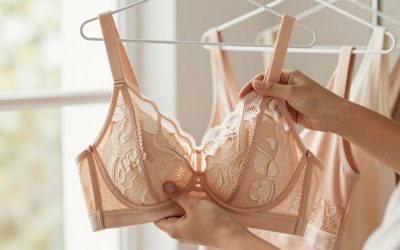
A balconette bra has cups that are typically cut lower across the chest, with straps positioned to help create a lifted, horizontal shape. For many plus size shoppers, that construction makes it a strong match for tops and dresses with scoop, square, or sweetheart necklines. It can provide a defined silhouette without the taller center panel of a full coverage bra showing above the neckline.
The style can also feel less restrictive across the upper chest. If you dislike fabric reaching toward your collarbone, a balconette offers a more open feel while still providing structured support. Unlined versions may be particularly appealing in warm rooms because they use less material and can feel lighter than heavily molded cups.
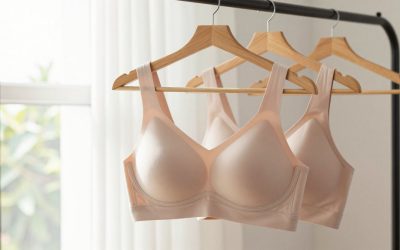
For reference, the DOBREVA Women’s Unlined Balconette Bra Scoop Neck White 34C and the black 36D version are examples of the compact, open-neckline format. Both are listed at $29.69, making that type of balconette relatively accessible compared with many specialty plus size bras. However, a shopper should focus on the correct band and cup fit rather than choosing solely by color or price.
A balconette is not automatically less supportive than a full coverage bra. Support comes from the band, cup construction, underwire, side panels, and strap adjustment. A well-fitted balconette can feel secure, while a poorly fitted full coverage bra can still ride up or spill over. Look for a firm but comfortable band that stays level around your body and cups that contain the breast without cutting into the top or sides.
Where Full Coverage Bra Wins
Full coverage bras are generally easier to wear for long stretches because they contain more of the breast and often distribute support over a taller cup and wider side area. That can be useful while cooking, cleaning, carrying groceries, working at a desk, or moving between rooms. For shoppers who experience spillage at the neckline or underarm in lower-cut styles, full coverage is often the more forgiving starting point.
This style is also practical beneath thin T-shirts and relaxed home clothing. A smooth full coverage cup can reduce visible edges, while a minimizer design may make a fuller bust appear less projected beneath button-front shirts or lightweight sweaters. The HSIA Bras for Women Minimizer Full Coverage Plus Size T-Shirt Convertible is listed at $33.99 and illustrates how full coverage designs can combine everyday coverage with convertible strap placement.
Wireless shoppers may prefer a full coverage shape as well, because additional fabric and a supportive underband can compensate for the absence of underwire. The LetsJoli Jelly Bras for Women No Underwire Plus Size Push Up Supportive is listed at $23.99 and represents the lower-priced wireless end of the category. Wireless comfort varies considerably by construction, so check whether the bra uses a wide band, reinforced side panels, or multiple rows of hooks.
Full coverage does not mean a bra must look utilitarian. Many current styles include smooth microfiber, mesh, lace, decorative straps, and convertible features. The main compromise is neckline visibility: a high cup may peek out from a low-cut top, making it less versatile for certain outfits.
Cost Over 5 Years
The purchase price is only part of the cost. A practical five-year estimate should account for rotation, washing, elastic wear, and how often the bra is worn. If you buy two bras and alternate them, an everyday pair may last approximately 18 to 30 months before the band loses meaningful recovery. A person who wears one bra several times each week may replace it sooner.
For either style, a realistic budget is approximately $150 to $350 over five years. That could mean buying two or three bras at a time in the $25 to $45 range and replacing them once or twice during the period. A $29.69 balconette pair costs $59.38 before replacement; replacing that pair once produces a five-year total of $118.76, while replacing it twice produces $178.14. At $33.99 each, a two-bra full coverage rotation costs $67.98 initially and $135.96 with one matching replacement cycle.
These figures are planning estimates, not guarantees. Washing in cool water, using a lingerie bag, avoiding chlorine bleach and high heat, and rotating at least two or three bras can extend useful life. A bra should be replaced when the band rides up, the elastic no longer recovers, the underwire bends, or the cups no longer support your current shape—not simply because a certain number of months has passed.
Which One for Your Home
Small Apartment
Choose a balconette if your wardrobe is compact and you want one bra that works under several open-neck tops. An unlined style can fold neatly in a drawer and dry quickly after gentle washing. Choose full coverage instead if most of your clothing is T-shirts, crewnecks, or fitted knits and you want smoother everyday coverage. Either style needs only a small drawer section, but molded cups should be stored upright or nested without sharp folds.
Family With Kids or Pets
Full coverage is usually the practical winner. Chasing children, lifting a pet, bending over, and doing household tasks can make a lower-cut cup feel less secure. A broad band, tall side panels, and adjustable straps help keep the bra in place. A wireless full coverage option may also be more comfortable if your day involves frequent movement and sitting on the floor.
Rental
For renters who want a flexible, low-cost wardrobe rather than a large clothing collection, choose based on your most common outfits. A balconette is useful if you regularly wear dresses or tops with open necklines. Full coverage is better if you need one dependable option for work-from-home video calls, maintenance visits, errands, and casual clothing. Prices around $24 to $35, such as the referenced LetsJoli, DOBREVA, and HSIA examples, make it possible to build a small rotation without a major upfront cost.
Long-Term Home
If you plan to stay in one home and maintain a deliberate wardrobe, owning both styles may be the most useful solution. Keep two full coverage bras for routine wear and add one balconette for lower necklines or occasions when you want a more lifted look. This rotation spreads washing and elastic stress across multiple garments, potentially lowering replacement costs while giving you more outfit flexibility.
FAQ
Is a balconette bra supportive enough for a plus size bust?
Yes, if the band, cups, and straps fit correctly. Look for firm underband elastic, supportive side panels, and cups that fully contain the breast. A balconette may feel less secure only because it has a lower neckline, not because the category cannot provide support.
Which style is better for everyday wear at home?
Full coverage is usually better for long daily wear, chores, movement, and relaxed clothing. A balconette may be more comfortable if you dislike high cups or spend most of the day in low-neck tops. Personal fit matters more than the label alone.
Can a full coverage bra create a flattering shape?
Yes. Full coverage bras can lift, separate, smooth, or minimize depending on their cup and side-panel design. A minimizer reduces forward projection, while a structured everyday bra can create a rounded, lifted silhouette without exposing much of the upper bust.
How many bras should I own?
A practical starting point is three: two for regular rotation and one available while another is being washed. If you wear bras most days, four to six gives elastic more recovery time and makes it easier to reserve a balconette for specific necklines.
Ready to decide? Our #1 pick for 2026 is the Comfort.
Live price & availability on Amazon.
Related Reviews & Guides
6 Best Plus Size Formal Royal Blue Dresses 2026

6 Best Plus Size Maternity Wears 2026