
Last Updated: September 18, 2026
- Top Pick: Amazon Essentials Women's Plus-size Plus Size 2-Pack Camisole Shirt, -Black/White, 3X
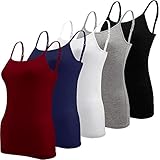
- Best Value: BQTQ 5 Pcs Women's Camisole Tank Tops Spaghetti Strap Undershirts, XXL
- Premium Choice: AUHEGN Full Slip For Women Under Dress Adjustable Spaghetti Strap Knee Length Slips Undergarment Nightwear White Medium
Choosing between a plus size camisole and a slip dress for layering is less about which garment is universally better and more about how you use clothing at home. A camisole gives you a compact, flexible base layer for sweaters, cardigans, blouses, and low-cut tops. A slip dress creates a smooth, nearly full-length foundation beneath dresses, tunics, and sleepwear-inspired pieces.
The real decision for a buyer is whether you need targeted coverage or one continuous layer. Consider your climate, laundry routine, storage space, preferred level of support, and how often you wear dresses. In 2026, both options remain inexpensive ways to make an existing wardrobe more comfortable and wearable, but they solve different problems.
As an Amazon Associate we earn from qualifying purchases at no extra cost to you.



Quick Verdict
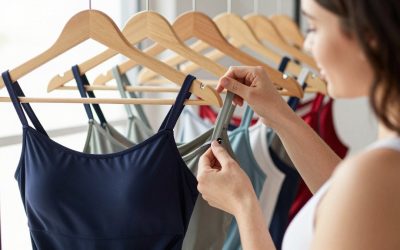
Choose a plus size camisole if you want the most versatile, affordable, and space-efficient option. It works well under everyday tops, can be tucked or left loose, and is easy to wash frequently. A multipack also lets you keep clean basics in rotation without adding much bulk to a drawer.
Choose a slip dress if you regularly wear dresses that cling, feel transparent, ride up, or lack a smooth lining. A knee-length or full-length slip can reduce friction across the torso, hips, and thighs while helping an outer dress fall more evenly. It is less useful than a camisole with separates, however, and may feel warm under casual clothing.
For many plus-size wardrobes, the best answer is not either-or: start with two or three camisoles, then add one slip dress if your wardrobe includes several lightweight dresses.
Side by Side
| Factor | Plus Size Camisole | Slip Dress |
|---|---|---|
| Comfort | Light and easy to adjust; straps and hems can roll or ride up. | Smooth coverage from the bust to the thigh or knee; may feel warmer. |
| Durability | Usually handles frequent rotation well, especially cotton or cotton-blend styles. | Straps and lightweight fabric need gentler handling; fewer seams can reduce bulk. |
| Price range | About $6–$15 per camisole, or roughly $12–$30 for a 2- to 5-pack. | About $10–$35 for a basic slip; smoother or more structured versions cost more. |
| Maintenance | Easy to wash with everyday basics; dries relatively quickly. | Often benefits from a lingerie bag, low heat, or air-drying to protect thin straps. |
| Space needed | Approximately 3–5 inches of folded drawer width for several pieces. | About 8–12 inches of hanging space, or one larger folded bundle. |
| Look under clothing | May show at the waist or create a visible hem beneath a short top. | Creates a continuous line and can prevent a dress from clinging to skin. |
| Layering speed | Fast for tops and separates; generally takes seconds to put on. | Fast for dresses, but requires removing or stepping into the entire garment. |
| Resale value | Low; basic camisoles are inexpensive and personal-wear items are difficult to resell. | Low to moderate if unworn or from a recognizable brand, but still limited for used undergarments. |
| Best for | Daily layering, neckline coverage, modesty, and casual separates. | Dresses, skirts, clingy fabrics, static control, and full-body coverage. |
Where Plus Size Camisole Wins
A camisole wins on versatility. One can sit under a button-down shirt in the morning, a cardigan for errands, and a lightweight sweater in the evening. Because it ends around the hip or upper thigh, it does not add a full extra layer beneath trousers, jeans, or shorts. That makes it a practical choice for people who dislike excess fabric around the legs.
It is also the easier option for temperature control. If your home runs warm or you move between heated rooms and outdoor errands, a camisole provides modesty without the coverage of a slip dress. Cotton and cotton-blend versions can feel more breathable than slick synthetic slips, although fabric weight and fit matter more than fiber content alone.
Multipacks make camisoles particularly economical. The Amazon Essentials Women’s Plus-size 2-Pack Camisole Shirt in Black/White, 3X, is listed at $11.97, or about $5.99 per piece. A five-piece option such as the BQTQ Women’s Camisole Tank Tops, XXL, is listed at $19.99, or about $4 per top. Those prices make it easier to keep one in the laundry, one in the drawer, and several in regular rotation.
Camisoles also fit small storage systems. Folded into a drawer measuring roughly 12 inches wide by 16 inches deep, a small stack can share space with underwear or sleepwear. Adjustable straps help with neckline placement, while a longer cut can provide more coverage when worn under a sheer or cropped top. For plus-size shoppers, check the garment’s actual bust, waist, and length measurements rather than relying on the letter size alone.
Where Slip Dress Layering Wins
A slip dress is the stronger choice beneath dresses. Its uninterrupted shape covers the bust, stomach, hips, and upper legs, so an outer dress is less likely to catch on skin or underwear. That can make a noticeable difference with jersey, rayon, satin, linen blends, and other fabrics that cling or reveal outlines.
Slip dresses are also useful when the outer garment is slightly sheer. A black slip can deepen a dark dress, while a white or nude-toned layer may work better beneath pale colors. The best shade depends on the fabric: white is not always invisible under white clothing, so compare the slip with the dress in natural light before wearing it out.
A knee-length slip is a good compromise for midi dresses and skirts. Full-length versions provide more coverage but may feel warmer and can bunch if the outer dress is narrow. Adjustable spaghetti straps help align the neckline, though very thin straps may dig into the shoulder if the slip is tight or if the garment is worn for many hours.
The AUHEGN Full Slip for Women, a knee-length white style with adjustable spaghetti straps, is listed at $12.99. The Amazon Essentials V Neck Slim Fit Cotton Layering Slip Dress with adjustable elastic cami straps, in Black/White and X-Large, is listed at $12.40. These examples show why slips can be inexpensive entry pieces, though fit, opacity, stretch, and garment length should take priority over the lowest price.
Cost Over 5 Years
A realistic five-year comparison depends on frequency of use. Suppose you wear a camisole three times per week and wash it after each wear. A practical rotation might include six camisoles. Using a price of $4–$10 per piece, the initial cost is approximately $24–$60. If half the rotation is replaced twice during five years, the total becomes about $36–$90, before tax and laundry costs.
For a slip dress worn once per week, one or two slips may be enough. At $10–$35 each, the initial cost is approximately $10–$70. Replacing one slip during the five-year period puts the estimated total at about $20–$105. The slip may cost more per garment, but it can last well when washed gently and stored without snagging.
Laundry costs are difficult to calculate because both garments can usually share a load. A camisole may be cheaper to maintain if it goes through normal warm or cool washing, while a delicate slip may require a mesh bag and air-drying. The most economical purchase is therefore the item that prevents buying replacement outer clothing: a camisole for tops you avoid because of coverage issues, or a slip for dresses you otherwise leave unworn.
Which One for Your Home
Small Apartment
Pick camisoles first if drawer and closet space are limited. Several folded camisoles occupy less room than multiple dresses or bulky underlayers, and they work with more outfits. If you own only one or two dresses that need help, add a single knee-length slip rather than building a full slip collection.
Family With Kids or Pets
Camisoles are usually easier for busy households. They can go into a standard laundry rotation and are less likely to drag on the floor when you are sitting, lifting, or playing. Keep at least three to six in rotation so a spill or unexpected laundry delay does not leave you without a comfortable base layer.
Rental Home
Either option works well because neither requires permanent changes to the home. A camisole is simpler if you rely on small drawers or fabric bins. For slips, use slim hangers or a breathable garment bag; avoid overloading a rental closet rod with delicate garments. A small 12- to 18-inch section of hanging space is generally enough for a modest collection.
Long-Term Home
Choose based on wardrobe habits rather than storage constraints. A household with frequent dress wear should keep at least one light-colored and one dark slip. Someone who mostly wears jeans, trousers, and tops will get more value from camisoles. If comfort varies by season, use breathable camisoles in warm months and slips beneath dresses when static, cling, or chafing becomes a problem.
FAQ
Is a camisole or slip dress better for plus-size layering?
A camisole is better for general layering because it works with tops and separates. A slip dress is better under dresses because it provides continuous coverage across the torso and upper legs. Choose according to the clothing you wear most often.
Should a slip dress be tight?
It should skim the body without compressing the bust, waist, or hips. A slip that is too tight can create lines and ride up; one that is too loose may twist beneath the outer dress. Compare your measurements with the garment’s size chart and check the stretch of the fabric.
Can you wear a camisole instead of a slip?
Yes, if you only need bust and torso coverage. However, a camisole will not prevent a dress from clinging to the hips or thighs, and its lower hem may show through a shorter dress. For full-body smoothing and reduced friction, a slip is the more complete layer.
How many should you own?
Start with three to six camisoles if you wear them several times per week. One or two slip dresses are sufficient for occasional dress wear, while frequent dress wearers may prefer two or three in different lengths or colors. A small, useful rotation is better than buying several fabrics that do not suit your climate or laundry routine.
Ready to decide? Our #1 pick for 2026 is the Comfort.
Live price & availability on Amazon.
Related Reviews & Guides


4 Best Plus Size Swim Vest and Life Vests for Adults

4 Best Plus Size Beach Umbrella and Canopies for Full…