Last Updated: September 7, 2026
- Top Picks at a Glance
- Paddle Length: The Most Critical Spec for Plus-Size Paddlers
- Bent Shaft vs Straight Shaft: Why It Matters for Heavier Paddlers
- Blade Size and Shape: Matching Blade to Paddler
- Shaft Material: Aluminum vs Fiberglass vs Carbon
- Full Spec Comparison
- Frequently Asked Questions
- Related Guides
- Related Articles
- Top Pick: Bending Branches Cruiser Plus 11 Canoe Paddle
- Best Value: BENDING BRANCHES BB Special Wood Canoe Paddle – 18-Laminate Basswood Shaft, Hardwood Blade with Rockgard® Tip, Bent Shaft Design for Recreational Rivers & Lakes
- Premium Choice: LINGVUM Hybrid Outrigger Canoe Paddle, Lightweight and Durable OC Paddle

TL;DR — Plus Size Kayak Paddle
- Paddle length for plus-size paddlers: 230–250 cm depending on kayak width and torso height
- Key feature: Bent-shaft design reduces wrist strain and improves stroke efficiency — critical for larger paddlers who generate more power
- Best use: Recreational kayaking, lake touring, slow rivers, and SUP-adjacent paddling
- Verdict: A wider kayak (which plus-size paddlers often need) demands a longer paddle — most paddlers undersize their paddle and fight the water the whole trip
Plus Size Kayak Paddle Bent Shaft: How to Choose the Right Paddle for Bigger Bodies on the Water
The wrong kayak paddle turns every stroke into a battle. For plus-size paddlers, two problems compound each other: wider recreational kayaks require longer paddles to reach the water cleanly, and higher body weight means more paddle resistance per stroke — leading to wrist fatigue and inefficient technique within the first hour. A bent-shaft kayak paddle solves the wrist problem directly. The angled shaft positions your hands in a more ergonomic posture throughout the stroke, reducing the repetitive stress that flat-shaft paddles create over a full day on the water.
This guide covers paddle length, blade size, shaft type, and feathering angle — the four variables that determine whether your paddle works with your body or against it.
As an Amazon Associate we earn from qualifying purchases at no extra cost to you.


🛒 Best Price Today on Amazon
Prime members get fast, free shipping on everything above, plus member-only deals. New members get a 30-day free trial — cancel anytime.
Start 30-Day Prime Free Trial →See Today’s Amazon DealsTop Picks at a Glance
BEST BENT-SHAFT PADDLE
Ergonomic Bent-Shaft Kayak Paddle
Fiberglass blade, lightweight aluminum bent shaft, adjustable feathering

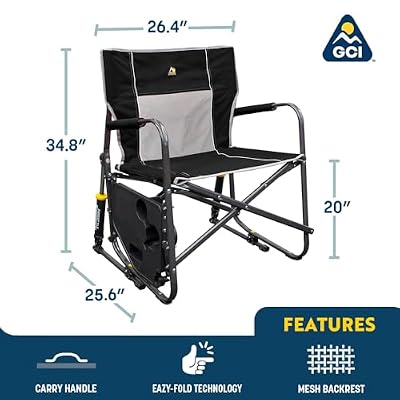
GCI Outdoor Freestyle Rocker XL with Side Table Camping Chair | Portable Folding Rocking Chair with Solid, Durable Armrests, Drink Holder & Comfortable Backrest — Black



As an Amazon Associate we earn from qualifying purchases. Product prices and availability are accurate as of the date/time indicated.
BEST FOR TOURING
Carbon Fiber Touring Paddle
Lightweight carbon shaft, high-angle blade, extended length options

Sherpa Hiking Hydration Backpack – 22L Hiking Backpack with Water Bladder, Phone Compartment, Waterproof Zippers & Trekking Pole Holders


As an Amazon Associate we earn from qualifying purchases. Product prices and availability are accurate as of the date/time indicated.
BEST VALUE
Recreational Aluminum Paddle
Durable, wide blade, available in 240–250 cm for wider kayaks



As an Amazon Associate we earn from qualifying purchases. Product prices and availability are accurate as of the date/time indicated.
Paddle Length: The Most Critical Spec for Plus-Size Paddlers
Paddle length is determined by two factors: your torso height (not total height) and your kayak’s beam width. Plus-size paddlers typically use wider kayaks for stability, and wider kayaks demand longer paddles. Using a short paddle in a wide kayak means your blade enters the water at a steep angle and your knuckles drag along the hull — inefficient and uncomfortable.
| Kayak Width (Beam) | Low-Angle Paddle Style | High-Angle Paddle Style |
|---|---|---|
| Under 23″ | 210–220 cm | 200–210 cm |
| 23″–28″ | 220–230 cm | 210–220 cm |
| 28″–32″ (typical plus-size rec kayak) | 230–240 cm | 220–230 cm |
| 32″–36″ (wide recreational/fishing) | 240–250 cm | 230–240 cm |
| 36″+ (SOT, tandem, wide touring) | 250–260 cm | 240–250 cm |
If you’re paddling a kayak with a 300+ lb weight capacity — which most plus-size paddlers need — it almost certainly has a beam of 30–36 inches. That puts you firmly in the 240–250 cm range for a low-angle recreational stroke. Most beginners and mid-range paddlers are using low-angle technique by default, so start in this range.
GCI Outdoor Freestyle Rocker XL with Side Table Camping Chair | Portable Folding Rocking Chair with Solid, Durable Armrests, Drink Holder & Comfortable Backrest — Black
As an Amazon Associate we earn from qualifying purchases. Product prices and availability are accurate as of the date/time indicated.
Bent Shaft vs Straight Shaft: Why It Matters for Heavier Paddlers
A straight-shaft paddle requires your wrists to flex forward on each power stroke to keep the blade face perpendicular to the water. Repeat this motion a few hundred times per hour and you accumulate significant wrist and forearm stress — especially with the higher stroke force that comes with more body weight.
A bent shaft — typically angled 5–10 degrees at the grip zones — positions your hands in a neutral wrist position throughout the stroke. The paddle blade still enters and exits the water at the correct angle, but your wrists do less compensatory rotation. The result: dramatically less wrist fatigue on paddling trips over two hours, and lower risk of repetitive strain injuries with regular use.
The trade-off: bent-shaft paddles are heavier (usually by 2–4 oz) and less packable. They also feel awkward for about the first 30 minutes until your body adjusts to the ergonomic position. Most paddlers who switch never go back.
Blade Size and Shape: Matching Blade to Paddler
Larger paddles generate more power per stroke but require more effort. For plus-size paddlers with higher body weight to move through the water, the instinct is to go with large blades — but this often leads to faster fatigue, not faster kayaking.
- Wide/large blades (700–800 cm²): High power per stroke, good for short bursts, sprints, whitewater. Causes shoulder and arm fatigue quickly in a touring context. Best for paddlers with significant upper-body strength.
- Mid-size blades (600–700 cm²): Best all-around for recreational plus-size paddlers. Enough power for efficient forward motion without the fatigue penalty. The majority of quality recreational paddles fall here.
- Narrow/low-angle blades (500–600 cm²): Low-effort, high-cadence touring style. Excellent for long-distance paddling, but requires precise technique to generate adequate power with plus-size body weight.
For most plus-size recreational paddlers — lake days, slow rivers, coastal touring — a mid-size blade in the 620–680 cm² range paired with a bent shaft at 240–250 cm is the optimal setup. It balances power, efficiency, and endurance.
Shaft Material: Aluminum vs Fiberglass vs Carbon
- Aluminum: Heaviest (32–40 oz), most affordable, durable. Gets cold in cool weather (use paddling gloves). Perfectly functional for casual use. Fine for 1–3 hour paddles.
- Fiberglass: Mid-weight (26–32 oz), better vibration absorption than aluminum, moderate price. The best value upgrade for regular paddlers.
- Carbon fiber: Lightest (18–26 oz), maximum energy transfer, premium price. Meaningful difference on all-day paddles where cumulative paddle weight fatigue adds up. Worth it for frequent or long-distance paddlers.
For context: paddle weight matters more than most new paddlers expect. Each stroke lifts the paddle — over a 3-hour paddle, that’s roughly 3,000–5,000 strokes. A 10-oz weight difference is 10 oz lifted thousands of times. For plus-size paddlers already managing a heavier overall load, saving weight in the paddle is one of the highest-impact gear upgrades available.
If you’re also shopping for the kayak itself, our plus size kayak buying guide covers weight capacity, beam width, and stability ratings for bigger paddlers. For water safety gear, see our plus size life jacket and PFD guide — never paddle without a properly fitted PFD.
Full Spec Comparison
| Feature | Budget Aluminum | Mid-Range Fiberglass | Premium Carbon Bent-Shaft |
|---|---|---|---|
| Weight | 35–42 oz | 26–32 oz | 18–26 oz |
| Shaft type | Straight | Straight or bent | Bent (ergonomic) |
| Blade material | Plastic/nylon | Fiberglass | Carbon fiber |
| Max length available | 240–250 cm | 240–260 cm | 240–260 cm |
| Feathering | Fixed or 2-position | Adjustable (0–60°) | Adjustable (0–60°) |
| Wrist comfort (long paddles) | Low | Medium | High (bent shaft) |
| Price range | $30–$70 | $80–$150 | $150–$350 |
For paddle boarding with similar ergonomic considerations, see our plus size paddle board SUP guide. If you’re gearing up for a camping trip on the water, our plus size wetsuit guide covers cold-water protection.
Sherpa Hiking Hydration Backpack – 22L Hiking Backpack with Water Bladder, Phone Compartment, Waterproof Zippers & Trekking Pole Holders
As an Amazon Associate we earn from qualifying purchases. Product prices and availability are accurate as of the date/time indicated.
Frequently Asked Questions
What paddle length do I need for a wide plus-size kayak?
Most plus-size recreational kayaks have a beam of 28–36 inches for stability. In that range, a 240–250 cm paddle is the standard starting point for low-angle recreational paddling. If you’re using high-angle technique (more vertical paddle entry, common in performance kayaking), drop down 10 cm. When in doubt, go longer — a slightly-long paddle is easier to compensate for than one that’s too short for your kayak width.
Is a bent-shaft paddle harder to learn on than a straight shaft?
Slightly, yes — but only for the first 30–60 minutes. Beginners sometimes find the ergonomic grip positions feel unnatural at first because the hands rest in a different position than expected. After one paddling session, the position becomes intuitive. If you’re brand new to kayaking and want to simplify the learning curve, you can start on a straight shaft and upgrade later, but most paddlers who start on a bent shaft adapt quickly and appreciate the reduced wrist fatigue immediately.
Do heavier paddlers need special blades or just longer paddles?
Both matter, but length is the priority. A plus-size paddler in a wide kayak using a short paddle will fight inefficiency every stroke regardless of blade design. Once you have the right length, a mid-size blade (620–680 cm²) gives you efficient power without excessive fatigue. Very large blades (700+ cm²) are not recommended unless you have strong paddling-specific upper body conditioning.
What is feathering and what angle should I use?
Feathering is the offset angle between the two paddle blades. At 0° (unfeathered), both blades are aligned in the same plane. At 45–60° feathering, the blades are rotated relative to each other so the non-active blade slices through wind rather than catching it. For recreational paddling in calm conditions, 0° feathering is simpler to learn. In windy conditions, 30–45° feathering reduces wind resistance. Most quality paddles allow you to set feathering angle — start at 0° and experiment as your technique improves.
Can I use a kayak paddle for paddle boarding?
Not effectively — the geometry is completely different. SUP paddles are designed for a standing paddler, require a single blade, and need to be roughly 6–10 inches taller than your height. Kayak paddles are double-bladed and designed for a seated position. For stand-up paddle boarding, see our dedicated plus size SUP paddle board guide which covers both board and paddle selection for bigger bodies.
As an Amazon Associate we earn from qualifying purchases. Product prices and availability are accurate as of the date/time indicated.
Related Guides
- Best Sport Bra For Plus Size 2026
- Best Swim Shorts For Plus Size Ladies 2026
- Best Skirt Outfits For Plus Size 2026
- Best Plus Size Bicycle
- Best Plus Size Tartan Plaid Skirt 2026
Related Reviews & Guides

Plus Size Waist Belt Cincher Review
Best Plus-Size Jeans for Curves: Most Flattering and Comfortable Fits to Buy N