
Last Updated: September 18, 2026
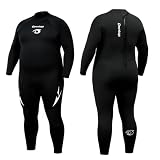
- Top Pick: Owntop Plus Size Wetsuit for Men Women, 3/2mm High Stretch Neoprene
- Best Value: Owntop Plus Size Wetsuit for Men Women, 3/2mm High Stretch Neoprene
- Premium Choice: OMGear Diving Skin for Male Spandex Full Body Rash Guard One Piece Swimwear for Swimming Kayaking Surfing Snorkeling Diving Rafting(MenBlack03,2XL)
Choosing between plus size neoprene and Lycra swimwear is less about which fabric is universally better and more about how you will use it, store it, and care for it. A recreational swimmer who wants easy packing and a light layer may be happiest in Lycra. Someone spending time in cold water, snorkeling, kayaking, or watersports may value neoprene’s insulation and structure more than its added bulk. For a home buyer, the decision also includes closet space, drying time, replacement cost, and whether the suit needs to work for one activity or several.
In 2026, plus-size options are available in both categories, including full-coverage dive skins, long-sleeve suits, and 3/2mm neoprene wetsuits. The right choice depends on water temperature, mobility, fit, and how often the garment will be used.
As an Amazon Associate we earn from qualifying purchases at no extra cost to you.


Quick Verdict
Choose plus size neoprene if you need warmth, buoyancy, abrasion protection, or a suit for regular cold-water activities. A 3/2mm suit, such as the Owntop Plus Size Wetsuit for Men Women, is substantially more protective than a thin swimsuit and can be useful for snorkeling, paddling, surfing, and similar activities.
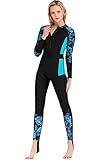
Choose Lycra swimwear if you prioritize lightness, quick packing, sun coverage, and freedom of movement in warm water. A full-body option such as the OMGear Diving Skin or the Micosuza Women’s One Piece Dive Skin Suit Lycra Long Legs Long Sleeves Swimsuit is closer to a protective swim layer than to an insulated wetsuit.
The simplest rule is this: neoprene manages cold, while Lycra manages sun, friction, and coverage. Neither replaces the other in every situation.
Side by Side
| Factor | Plus Size Neoprene | Lycra Swimwear |
|---|---|---|
| Comfort | Warm and supportive, but thicker and sometimes harder to put on | Light, flexible, and usually easier to move in |
| Durability | Resists cold and minor abrasion, though seams and surfaces need care | Can last well with gentle washing, but may snag or stretch |
| Price range | About $80–$250 for many plus-size recreational suits | About $25–$100 for many full-coverage styles |
| Maintenance | Rinse thoroughly, dry completely, and avoid heat and creasing | Rinse, wash gently, and air-dry away from direct sun |
| Space needed | More closet and drying space because the material is thicker | Folds compactly and works well in a drawer or small gear bin |
| Look | Technical, structured, and sporty | Streamlined, soft, and closer to a traditional swimsuit |
| Resale | Potentially stronger when lightly used and stored correctly | Usually modest because fit, hygiene, and fabric wear affect demand |
| Warmth | Best choice for cool water; thickness affects insulation | Provides little insulation, even with full-body coverage |
| Best for | Cold-water swimming, snorkeling, surfing, kayaking, and diving | Warm-water swimming, sun protection, layering, and travel |
Where Plus Size Neoprene Wins
Neoprene’s biggest advantage is thermal protection. A 3/2mm suit typically has 3mm neoprene through warmer core areas and 2mm panels where flexibility matters, although exact panel placement depends on the design. That extra material slows heat loss and can make a major difference when you are in cool water for more than a few minutes.
Neoprene also offers a more secure, structured feel. It can smooth small drafts around the torso and provide light buoyancy, although it should never be treated as a flotation device. For plus-size wearers who feel chilled quickly, that combination of warmth and coverage may make longer sessions more comfortable.
It is also the more practical choice for activities involving equipment. Kayak seats, surfboards, rocks, fins, and boat edges can create friction. Neoprene generally provides more protection than thin Lycra against minor scrapes and contact with gear. A full suit can also reduce the amount of exposed skin beneath straps or life jackets.
The tradeoff is bulk. A 3/2mm full suit occupies noticeably more space than a Lycra skin after washing. Avoid compressing wet neoprene into a sealed bag. Instead, plan for a drying area approximately 24 to 36 inches wide, with enough clearance that the suit is not folded over a narrow hook while damp. A wide hanger or sturdy drying rack helps prevent stress at the shoulders.
Putting on neoprene can take patience, particularly in plus sizes where a close fit is needed for insulation. Use clean hands and ease the material into place rather than pulling hard at the cuffs or neck. If the suit feels painfully tight, restricts breathing, or creates sharp pressure points, a different size or design is safer than simply forcing it.
Where Lycra Swimwear Wins
Lycra swimwear wins on portability and ease. A full-body suit can weigh and pack much less than neoprene, making it convenient for vacations, pool visits, and homes without a dedicated gear closet. It can usually fit in a drawer or a small approximately 12-by-16-inch swim bag once fully dry, though the exact folded size varies by garment.
It is also comfortable in warm water. The fabric stretches with the body, does not feel as insulating, and is often easier to pull over a swimsuit or wear beneath a buoyancy aid. For people who dislike the restrictive sensation of a thicker wetsuit, Lycra can feel substantially less cumbersome.
Sun coverage is another major benefit. Long sleeves, long legs, and a high neckline can cover skin during snorkeling, kayaking, or beach activities without requiring repeated sunscreen application to every exposed area. Lycra can also reduce friction from life jackets, wetsuit tops, and equipment straps.
However, Lycra does not provide meaningful cold-water insulation by itself. A full-body dive skin may cover your arms, legs, and torso while still leaving you cold in water that calls for thermal protection. It is better viewed as a rash guard or skin layer than as a substitute for a wetsuit.
Care is straightforward but important. Rinse chlorine, salt, sand, and sunscreen residue from the fabric after every use. Wash according to the garment label, avoid fabric softener, and air-dry out of harsh direct sunlight. Do not leave Lycra compressed while damp, since that can encourage odor and weaken elastic fibers.
Cost Over 5 Years
Upfront price favors Lycra. The listed OMGear Diving Skin is priced at $41.99, while the listed Micosuza Women’s One Piece Dive Skin is $32.99. Comparable full-coverage Lycra swimwear commonly falls around $25 to $100, depending on construction, zippers, panels, and sizing.
Neoprene costs more initially. The listed Owntop Plus Size Wetsuit for Men Women, 3/2mm High Stretch Neoprene, is $99.99, and many recreational plus-size wetsuits fall roughly between $80 and $250. Higher prices may reflect thicker materials, reinforced seams, improved closures, or more specialized construction.
Over five years, consider use rather than just purchase price. A $99.99 neoprene suit used 20 times per year for five years costs about $1 per use before care and replacement. A $41.99 Lycra suit used five times per year costs about $1.68 per use over the same period. If you use the Lycra suit weekly, its per-use cost drops considerably.
Replacement frequency matters too. Lycra may need replacement sooner if it is exposed to frequent chlorine, rough surfaces, or strong sunlight. Neoprene can last for years when rinsed and dried properly, but small tears, worn seams, and permanent compression can shorten its useful life. A realistic five-year ownership budget is approximately $35 to $150 for one or two Lycra suits, or $100 to $350 for one neoprene suit plus occasional repairs or replacement. These are planning ranges, not guarantees.
Which One for Your Home
Small apartment
Pick Lycra unless you regularly use cold-water gear. It folds into a much smaller footprint and dries faster. If you choose neoprene, designate one ventilated storage location and use a drying rack that can be folded away. Never store either garment wet in a bathroom hamper or closed plastic container.
Family with kids or pets
Lycra is usually easier for a busy household because it is quick to rinse, pack, and put away. It is also less expensive to replace if a child outgrows it or a pet damages it. Neoprene makes more sense when the family regularly visits cool lakes, goes kayaking, or needs extra coverage around outdoor equipment. Keep neoprene away from claws, rough concrete, and sharp toy edges.
Rental
Renters should favor the option that does not require permanent storage hardware. Lycra can live in a drawer or portable bin. For neoprene, a freestanding rack or wide hanger is preferable to installing hooks. Check that the drying location has ventilation and will not drip onto wood floors, carpet, or painted walls.
Long-term home
Homeowners with a garage, mudroom, or utility area can reasonably own both. Keep Lycra for warm-weather swimming and sun protection, and reserve neoprene for cold-water recreation. A labeled open bin for dry Lycra and a ventilated rack for neoprene prevent the two categories from becoming tangled with towels and seasonal clothing.
FAQ
Is neoprene warmer than Lycra?
Yes. Neoprene is designed to provide insulation, while Lycra primarily provides stretch, coverage, and friction or sun protection. A full-body Lycra suit can cover more skin but still offer little warmth.
Can I wear Lycra under a wetsuit?
Yes, a thin Lycra layer can make a wetsuit easier to pull on and may reduce chafing. Choose a smooth, close-fitting design without bulky seams or loose fabric that could bunch beneath the neoprene.
How should plus-size neoprene be stored?
Rinse it with fresh water, drain it, and let it dry fully in a shaded, ventilated area. Store it flat or on a wide hanger, away from heaters and sharp edges. Avoid folding it tightly for long periods.
Which fabric is better for frequent pool swimming?
Lycra is generally the more practical choice for warm pool swimming because it is lighter and easier to wash and dry. If the pool is unusually cool or you need substantial thermal protection, consider neoprene, but follow the facility’s rules about wetsuit use.
Ready to decide? Our #1 pick for 2026 is the Comfort.
Live price & availability on Amazon.
Related Reviews & Guides



6 Best Sport Bras For Plus Size 2026

6 Best Plus Size Women Christmas Sweaters 2026