Last Updated: August 30, 2026
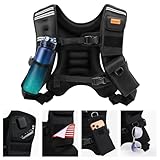
- Top Pick: WANOON Weighted Vest for Men Women, 8lb/12lb/16lb/20lb/30lb/40lb Fixed Weight, Plus Size Fitness Vest with Phone Pocket & Reflective Strips for Walking Running Rucking Strength Training
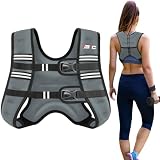
- Best Value: KUKZO Weighted Vest for Women Men 12LB Body Weight Vest with Reflective Stripes for Running,Walking,Workout,Strength Training,Weight Loss
- Premium Choice: WANOON Weighted Vest for Men Women, 8lb/12lb/16lb/20lb/30lb/40lb Fixed Weight, Plus Size Fitness Vest with Phone Pocket & Reflective Strips for Walking Running Rucking Strength Training
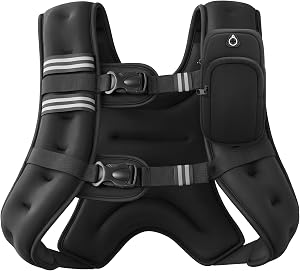
Plus Size Weighted Vest for Fitness: Weight Cap, Fit Guide, and Best Options for Bigger Bodies
TL;DR — Quick Answer
Most consumer weighted vests are designed for bodies up to a 44–46″ chest — which means plus-size users in 2XL+ territory often find the vest won’t close, gaps at the sides, or sits awkwardly on the torso. For genuine plus-size fit, look for adjustable side-strap vests with chest measurements of 50″+ and weight capacity starting at 20 lbs minimum. The Hyperwear Hyper Vest PRO (ASIN: B085J29JG1) is our top pick: available up to 4XL/5XL with true adjustable side compression, 10–20 lb weight range, and a breathable design for cardio and strength work.
Weighted vests are one of the most effective tools for adding intensity to bodyweight training, walking, and functional fitness — but the plus-size fitness community has largely been ignored by the category. Most vests fit bodies up to a size large, leaving bigger athletes with either ill-fitting gear or no options at all. This guide covers how to evaluate weighted vest fit for plus-size bodies, what weight to start with, and which products actually work for larger frames.
As an Amazon Associate we earn from qualifying purchases at no extra cost to you.



🛒 Best Price Today on Amazon
Prime members get fast, free shipping on everything above, plus member-only deals. New members get a 30-day free trial — cancel anytime.
Start 30-Day Prime Free Trial →See Today’s Amazon DealsTop Picks at a Glance
BEST OVERALL
Hyperwear Hyper Vest PRO
BEST FOR WALKING
Aduro Sport Adjustable Weighted Vest (XL/2XL)
Search Amazon for “Aduro weighted vest plus size XL” for current pricing.
BEST BUDGET
CAP Barbell Adjustable Weighted Vest (20 lb, XL)
Search Amazon for “CAP Barbell adjustable weighted vest 20lb XL” for current pricing.
Why Weighted Vest Sizing Fails Plus-Size Athletes
Weighted vests have a structural sizing problem that’s different from clothing. The weight plates or sand bags are sewn into pockets distributed across the vest front and back — which means the vest is rigid in key dimensions. You can’t size up the way you would with a t-shirt.
Three Common Fit Failures
- Chest circumference too small: The vest won’t close or fastens too tightly across the chest, restricting breathing. This is the most common issue — most vests are cut for a 42–44″ chest maximum.
- Shoulder width mismatch: Wider shoulders push the vest straps off the shoulders, concentrating all the weight on the neck — uncomfortable and potentially injurious.
- Torso length too short: Shorter vests ride up on longer torsos, concentrating weight at the upper chest and leaving the core unsupported. Look for vests that reach to at least the lower rib.
What to Look For Instead
- Side strap adjustment: Vests with wide velcro or buckle side straps can accommodate chest measurements 4–6″ beyond their labeled size range
- Soft-fill construction: Sand-fill or neoprene-fill vests flex with the body better than rigid steel plate vests
- Extended size chart: Look for brands that explicitly list a 3XL or 4XL with chest measurements of 50″+ rather than just calling it “adjustable”
Hyperwear Hyper Vest PRO — Full Review
The Hyperwear Hyper Vest PRO is the most size-inclusive weighted vest in the performance fitness category. It’s used by military, CrossFit athletes, and personal trainers — and the extended size range was built into the original design, not added as an afterthought.
Full Spec Table
| Spec | Hyperwear Hyper Vest PRO |
|---|---|
| Available Sizes | XS through 5XL (chest measurements published for each size) |
| Available Weights | 10 lb, 14 lb, 20 lb (weight is fixed, not adjustable) |
| Fill Material | Steel shot in sewn pockets (flexible, not rigid plates) |
| Closure | Front zipper + side compression straps (velcro) |
| Outer Material | Stretch nylon mesh — breathable and flexible |
| Weight Distribution | Front/back balanced — 60+ pockets across torso |
| Machine Washable | Yes |
| Uses | Running, walking, CrossFit, hiking, rucking, pull-ups |
What We Like
- 5XL size is rare in weighted vests — and Hyperwear publishes actual chest measurement data for every size
- Steel shot fill distributes weight in 60+ small pockets rather than 4–6 large plates — weight moves with your body instead of shifting around
- Stretch nylon mesh breathes during cardio — doesn’t become a sweat trap
- Low-profile design: sits close to the body without bulk that throws off your center of gravity
- Machine washable — a practical advantage over vests requiring hand care
What to Know
- Weight is fixed — if you want to start at 5 lbs and progress, this isn’t the right vest; choose an adjustable plate-style instead
- Premium price point — worth it for regular use, harder to justify if you’ll use it occasionally
- Steel shot fill makes it heavier per volume than sand — the 20 lb vest is compact and dense
How Much Weight Should a Plus-Size Person Start With?
The general guideline for weighted vest training is to start at 5–10% of your body weight — but for plus-size users who are new to weighted training, starting conservatively is more important than hitting a percentage target. Here’s a practical framework:
- New to fitness or returning after a break: Start at 10 lbs regardless of body weight. Focus on form and joint comfort before adding load.
- Active at moderate fitness level: 10–20 lbs is a productive starting range. Assess joint response (knees, hips, lower back) after two weeks before progressing.
- Strong base, adding intensity to existing training: 20–30 lbs for bodyweight exercises; 10–20 lbs for extended walking or rucking.
- Joint health consideration: Weighted vests add downward compression force on the spine and knees. If you have existing joint issues, consult a physical therapist before starting.
Best Exercises for Plus-Size Weighted Vest Training
Not all exercises are equally appropriate for weighted vest use at plus-size body weights. Here’s a practical breakdown:
High Benefit, Lower Joint Stress
- Weighted walking/rucking: Excellent cardiovascular and metabolic stimulus; low impact when done on flat terrain
- Step-ups: Controlled movement, low-impact alternative to box jumps
- Bodyweight squats: Good for building lower body strength; monitor knee response carefully
- Push-ups and planks: Upper body focus; vest adds load without joint compression
Use Caution / Build Up Slowly
- Jogging or running: High impact force multiplied by vest weight — start with walking and progress gradually
- Stair climbing: Effective but high knee load; ensure good stair width for your stride
- Lunges: Monitor hip flexor and knee response; start without vest and add only when comfortable unweighted
For a broader plus-size fitness setup, check our guide on plus size yoga blocks for support tools that complement weighted vest training — particularly for floor-based exercises where extra stability helps. If you’re building a home gym space, our plus size yoga pants and leggings guide covers activewear that works well for vest training.
FAQ: Plus Size Weighted Vest
What is the largest size weighted vest available for plus-size users?
Hyperwear makes the Hyper Vest PRO in sizes up to 5XL with published chest measurements. A few other brands like Aduro and CAP Barbell offer XL/2XL in their adjustable-strap models. Beyond that, military surplus weighted vests (MOLLE-style plate carriers) can accommodate very large chest measurements with adjustable side straps, though they’re bulkier and less comfortable for cardio use.
Can a plus-size person use a weighted vest for walking?
Yes — weighted walking (rucking) is one of the most accessible and effective uses of a weighted vest for plus-size people. Start at 10 lbs and walk on flat terrain; your body weight already provides significant training stimulus and the vest adds progressive overload without high-impact stress. Monitor your lower back and hips for the first two weeks and reduce weight if you feel strain.
Is a weighted vest safe if you are obese or significantly overweight?
Generally yes with appropriate weight selection and exercise choice, but consult your doctor if you have cardiovascular conditions, joint replacements, or spinal issues. The cardiovascular demand of weighted vest exercise is higher than unweighted activity at the same pace — start conservatively and monitor your heart rate. The joint compression from vest weight is real; start with 10 lbs maximum and low-impact activities until you assess your body’s response.
Fixed weight vs. adjustable weighted vest: which is better for plus-size users?
Adjustable vests (with removable weight inserts) are better for beginners — you can start light and progress over weeks or months. They’re also more flexible if you want to use different weights for different exercises. Fixed-weight vests like the Hyper Vest PRO tend to fit better and sit closer to the body (less bulk from pocket flaps), making them preferred for performance use once you know what weight you need. Start adjustable; upgrade to fixed when you’ve settled on your working weight.
How do I measure myself for a weighted vest?
Measure your chest circumference at the widest point (usually across the nipple line), keeping the tape level and snug but not compressing. This is your key measurement — always check the brand’s size chart against your chest measurement, not general size labels (S/M/L). Also measure torso length (shoulder to lower rib) if the brand provides it, as this affects coverage and comfort during exercise.
Frequently Asked Questions
What chest sizes do plus size weighted vests fit?
Adjustable vests commonly fit chests from 36 up to 56 or 60 inches using side straps and a wide hook and loop closure. Check the listed maximum circumference, not the S/M/L label, and measure over the clothes you would train in. Short-torso vests are usually easier to fit than long ones because they stop above the hip rather than pressing into it.
How much weight should I start with?
A common guideline is 5 to 10 percent of body weight for walking, and much less if you are new to it. Start at the low end for two to three weeks before adding more. Adjustable vests with removable sand or iron packets are the better buy because you can build up gradually instead of committing to a fixed load.
How do I stop the vest from riding up or bouncing?
Ride-up almost always means the vest is not cinched at the waist. Look for a model with both a chest strap and a waist belt, and tighten the waist first, then the chest. Vests with weight distributed low and front-to-back rather than all on the shoulders stay put better and put less strain on your neck.
Will it be too hot or restrict breathing?
Choose a vest with breathable mesh panels and an open-sided design rather than a solid neoprene shell. It should feel snug but never restrict a full deep breath; if you cannot inhale fully, it is too tight or too heavy. Train in a moisture-wicking shirt underneath, since the vest fabric will hold sweat against your skin.
How do I clean a weighted vest?
Remove all weight packets first, then hand wash the shell in cool water with mild detergent and hang it to dry completely before reloading. Never machine wash or dry a loaded vest. Wipe the packets themselves with a damp cloth, check the stitching and hook and loop closures monthly, and store it flat rather than hanging by the straps.
Ready to decide? Our #1 pick for 2026 is the Available Sizes.
Live price & availability on Amazon.
Related Reviews & Guides


11 Best Plus Size Tankinis: Stylish Two-Piece Swimwear
Plus Size Activewear Matching Set Review