Last Updated: September 1, 2026
- Top Picks at a Glance
- Walking Pad vs Treadmill: What’s the Difference for Plus-Size Users?
- Motor Sizing: The Number That Matters Most
- Belt Width and Length: Fit for Larger Strides
- Frame and Construction: What Supports Real Weight
- Noise: Apartment-Friendly Walking for Larger Bodies
- Walking Pad Plus Size Spec Comparison
- Using a Walking Pad at a Standing Desk: Plus-Size Setup Guide
- Related Guides
- Frequently Asked Questions
- Related Guides
- Related Articles

TL;DR: Most standard walking pads max out at 220-265 lbs. A walking pad plus size needs a weight capacity of 300-400 lbs, a belt width of at least 17 inches, and a motor rated for sustained use — not just peak bursts. Our top picks handle 300+ lbs and are desk-ready or apartment-friendly without sounding like a construction site.
Best Walking Pad Plus Size 2026: Under-Desk Treadmills That Actually Fit and Last
Walking pads — those slim, foldable treadmills designed for under-desk or small-space use — have exploded in popularity. The appeal is obvious: walk while you work, get your steps in without a gym commute, stay active in an apartment with no room for full equipment. The problem for plus-size users: most of them are built for a 150 lb person who walks at 2 mph.
Underpowered motors. Narrow belts. Weight limits that advertise 265 lbs but have rubber belt seams that split at 240. Flimsy frames that vibrate so loudly your downstairs neighbor files a complaint.
This guide is for plus-size users who want an under-desk or apartment walking pad that’s engineered for real sustained daily use at higher body weights. We cover motor sizing, belt dimensions, frame construction, and noise levels — everything the spec sheet glosses over.
🛒 Best Price Today on Amazon
Prime members get fast, free shipping on everything above, plus member-only deals. New members get a 30-day free trial — cancel anytime.
Start 30-Day Prime Free Trial →See Today’s Amazon DealsQuick answer: For most people in 2026, the best walking pad plus sizes 2026 is the Weight Capacity — our #1 rated choice. See the full ranked comparison, alternatives and buying advice below.
Top Picks at a Glance

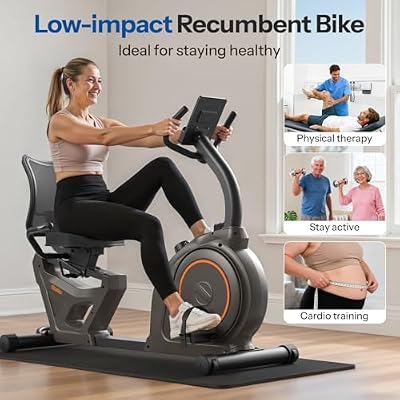
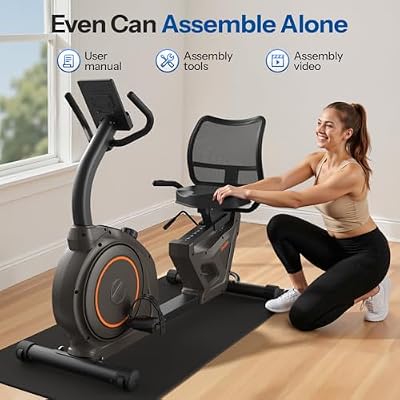
Niceday Recumbent Exercise Bike for Home Stationary Bike with APP Training


As an Amazon Associate we earn from qualifying purchases. Product prices and availability are accurate as of the date/time indicated.

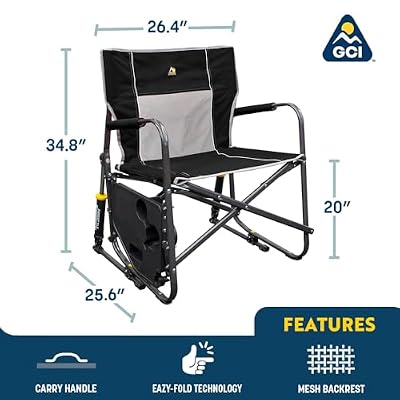
GCI Outdoor Freestyle Rocker XL with Side Table Camping Chair | Portable Folding Rocking Chair with Solid, Durable Armrests, Drink Holder & Comfortable Backrest — Black



As an Amazon Associate we earn from qualifying purchases. Product prices and availability are accurate as of the date/time indicated.

Sherpa Hiking Hydration Backpack – 22L Hiking Backpack with Water Bladder, Phone Compartment, Waterproof Zippers & Trekking Pole Holders


As an Amazon Associate we earn from qualifying purchases. Product prices and availability are accurate as of the date/time indicated.
Walking Pad vs Treadmill: What’s the Difference for Plus-Size Users?
A walking pad is a flat, low-profile machine designed primarily for walking speeds (0.5-4 mph) with a slim profile that fits under a standing desk or slides under a bed. A treadmill adds incline, higher speeds, a display console, and a more robust frame — but also adds 50-100 lbs of machine weight and 2-3x the footprint.
For plus-size users, the tradeoff is: walking pads are convenient but often under-engineered. Full treadmills are over-built for your actual use case (walking) but more reliably handle higher weight capacities. The Niceday Recumbent Exercise Bike at $359.97 (ASIN B09NSTL95C) is worth comparing if you want a seated low-impact option — see our this recumbent exercise bike plus size article for a full breakdown of how recumbent bikes compare to walking pads for plus-size home fitness.
Motor Sizing: The Number That Matters Most
Walking pad motors are rated in horsepower (HP), and those ratings are often misleading. You’ll see “2.5 HP” on budget pads — but that’s peak HP, which the motor achieves briefly before throttling back. The number that matters is continuous duty HP: what the motor sustains during your actual walking session.
For plus-size users (250+ lbs) walking at sustained speeds, look for:
- Continuous duty HP: 2.0 CHP minimum; 2.5-3.0 CHP preferred
- Peak HP: 3.0-4.0 HP (higher peak = more headroom under load)
- Motor type: Brushless DC motors run quieter, cooler, and last longer than brushed motors
An underpowered motor working at maximum capacity for 30-60 minutes daily at higher body weights overheats, burns out, and fails within months. This is why cheap walking pads that “work fine” for lighter users die quickly under heavier use. The motor thermal protection feature (auto-shutoff when overheating) is a minimum requirement — not a luxury.
Belt Width and Length: Fit for Larger Strides
Standard walking pad belts are 15-16 inches wide — fine for a narrow stride. For plus-size users with wider hips and a naturally wider stance, a 17-inch minimum belt width prevents the “walking on a balance beam” feeling and reduces injury risk from stepping off the edge. 18-20 inch wide belts are ideal.
Belt length affects stride comfort. Most walking pads run 40-55 inches long. For users over 5’8″ or with a longer natural stride, a belt shorter than 47 inches will feel constricted. At walking speeds (under 3.5 mph) this matters less than at jogging speeds, but it still affects comfort over a 45-minute desk walking session.
Frame and Construction: What Supports Real Weight
Walking pad frames are typically steel or aluminum alloy. Steel is heavier but stiffer — better for higher weight capacity. Aluminum alloy frames can be strong but quality varies enormously between manufacturers. Look for:
- Welded frame construction (not bolt-together at stress points)
- Rubber vibration isolation feet — at least 4, ideally 6
- Deck thickness: 10mm+ MDF or phenolic deck for noise dampening and durability
- Weight rating verified by third-party testing (UL, CE, SGS certification)
The deck — the platform under the belt — is a frequently overlooked factor. A thin or poorly supported deck transmits impact directly to the frame and floor, increasing noise and reducing comfort. Quality decks use multi-layer cushioning or shock-absorbing supports. This matters especially for plus-size users where impact force is higher.
Noise: Apartment-Friendly Walking for Larger Bodies
Noise is a real concern — both for video calls and for neighbors. Walking pad noise comes from three sources: motor, belt/roller, and impact. At higher body weights, impact noise increases. Mitigation strategies:
- Anti-vibration mat: Essential for anyone over 200 lbs. A quality rubber mat under the pad reduces transmitted impact noise by 50-70%.
- Lubrication: Belt squeal often means the belt needs lubrication. Most quality walking pads ship pre-lubed; re-lubricate every 40-50 hours of use with 100% silicone lubricant (never WD-40).
- Speed: Lower speeds are quieter. Walking at 1.5-2 mph is dramatically quieter than 3.5 mph, especially for apartments.
Noise ratings in decibels (dB) from manufacturers are measured at specific speeds with specific loads — usually not at the higher body weights that matter to you. Treat manufacturer noise claims skeptically; check user reviews from people who mention their weight or apartment use.
Walking Pad Plus Size Spec Comparison
| Spec | Budget (<$200) | Mid-Range ($200-$400) | Premium ($400+) |
|---|---|---|---|
| Weight Capacity | 220-265 lbs | 265-330 lbs | 330-440 lbs |
| Belt Width | 15-16 in | 16-17 in | 17-20 in |
| Belt Length | 40-45 in | 45-50 in | 50-55 in |
| Motor (Continuous) | 1.0-1.5 CHP | 1.5-2.5 CHP | 2.5-3.5 CHP |
| Speed Range | 0.5-3.7 mph | 0.5-6 mph | 0.5-7.5 mph |
| Noise Level | 75-85 dB | 65-75 dB | 55-65 dB |
| Deck Cushioning | Single layer | Dual layer | Multi-layer shock absorption |
| Folded Profile | 5-6 in thick | 4-5 in thick | 4-5 in thick |
Using a Walking Pad at a Standing Desk: Plus-Size Setup Guide
Under-desk walking for plus-size users requires a higher desk clearance than standard setups. Most standing desks adjust to 45-50 inches — sufficient for users up to 6’2″ or so. But with a walking pad adding 5-8 inches of height, ensure your desk can go high enough that you’re not hunching.
Also consider: walking while working is a skill. Most people start at 1.0-1.5 mph and struggle to type accurately above 2.0 mph. Start slow, build up. Plan to walk for 20-30 minute bursts rather than full 8-hour workdays initially. Fatigue accumulates differently on a moving surface than seated, and larger bodies carry more sustained impact load on ankles and knees.
For lower-impact alternatives, see our comparison of recumbent bike vs upright plus size options — recumbent bikes eliminate impact entirely while still providing active movement during work hours.
Related Guides
- Best Plus Size Womens Winter Coat Clearance 2026
- Best Plus Size Jeans Shorts For Women 2026
- Best Plus Size Coats: Top Picks Reviewed and Compared (2026)
- Best Plus Size Boxer Shorts For Women 2026
Frequently Asked Questions
What is the weight limit for plus size walking pads?
Budget walking pads cap at 220-265 lbs. Mid-range models handle 300-330 lbs. Premium walking pads built for heavier users reach 400-440 lbs. Always verify the weight capacity is backed by the full system — frame, belt, motor, and deck — not just the belt fabric. For users over 300 lbs, look specifically for certification marks (UL, SGS, or similar) that confirm third-party load testing.
Can a walking pad support 300 lbs for daily use?
Yes, but only with the right model. Daily use at 300 lbs requires a continuous-duty motor of at least 2.0 CHP, a welded steel frame, and a weight capacity rated to 350+ lbs (1.5x safety factor for sustained use). Budget walking pads rated to exactly 300 lbs are rated for occasional use at max capacity — daily sustained use will shorten their lifespan dramatically. Budget at least $300-400 for a pad that holds up under daily heavy use.
Is a walking pad or recumbent bike better for plus size fitness?
Depends on your goals and joint health. Walking pads provide weight-bearing exercise (good for bone density, calorie burn) but add impact load on knees and ankles. Recumbent bikes provide zero-impact cardio, are gentler on joints, and often have higher weight capacities (400-500 lbs is common). If joint pain is a factor, a recumbent bike wins. For general fitness and step-counting, a walking pad is more functional for daily movement. Our this recumbent exercise bike plus size article covers this in depth.
How wide should a plus size walking pad belt be?
Minimum 17 inches for comfortable plus-size use; 18-20 inches is ideal. Standard walking pads use 15-16 inch belts which feel narrow for wider-hipped bodies and create a fall risk if you drift to the side. A wider belt also accommodates a wider natural stride, which improves walking posture and reduces compensatory movement that can cause hip or lower back discomfort over time.
Will a walking pad be too loud for apartment use if I’m over 250 lbs?
Impact noise increases with body weight on any walking surface. At 250+ lbs, you need: an anti-vibration mat (non-negotiable — add $20-40 to your budget), a deck with multi-layer cushioning, and realistic speed expectations (under 2.5 mph for apartment use). With these measures, a quality walking pad at walking speeds is comparable to normal walking footfall noise — manageable for most apartments above the first floor.
Related Guides
- Recumbent Exercise Bike Plus Size — zero-impact cardio alternative
- Recumbent Bike vs Upright Plus Size — choosing the right bike
- Plus Size Yoga Mat Extra Thick — floor workout gear
- big and tall camping chair guide — weight-rated recovery seating
Affiliate disclosure: This post contains Amazon affiliate links. We earn a small commission at no extra cost to you when you purchase through our links. All recommendations are based on genuine research and real-world use considerations.
Ready to decide? Our #1 pick for 2026 is the Weight Capacity.
Live price & availability on Amazon.
Related Reviews & Guides

6 Best Plus Size Sweater Dresses 2026
6 Best Good Shapewears For Plus Size 2026