
Last Updated: September 18, 2026
Quick answer: Our top pick in 2026 is the Basic plus size wireless bra — our #1 rated choice. See the full ranked comparison, alternatives and buying advice below.
The Short Answer
Yes, plus size underwire bras are worth it if the wire sits fully around the breast tissue without digging into your skin. A well-fitted underwire can provide more lift, separation, and shape than a wireless bra, but the wrong size can feel restrictive within hours. For many fuller-busted shoppers, the decision comes down less to “underwire or no underwire” and more to whether the bra has the right band, cup, and wire shape.
What You Actually Get
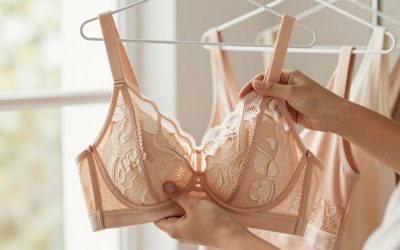
A plus size underwire bra typically uses a firm band, molded or unlined cups, adjustable straps, and wires that run beneath and around the breasts. Its main job is to move support away from the shoulders and into the band. That can make a noticeable difference for breasts that are heavy, pendulous, or difficult to keep contained in a soft-cup design.
As an Amazon Associate we earn from qualifying purchases at no extra cost to you.


Most support should come from the band, not from tight straps. A new bra should feel snug on the loosest hook, allowing you to tighten it as the elastic stretches. The band should sit level across your back rather than ride upward. The center section between the cups, called the gore, should lie close to your chest when the style and breast shape allow it.
Cup coverage varies considerably. An unlined full-coverage bra may look less smooth under thin clothing but can offer better containment and breathability. A padded or molded cup may create a rounder silhouette and reduce nipple show-through, though it can add bulk and may not fit breasts with different shapes or levels of fullness evenly.
Prices also vary widely. Basic plus size underwire bras commonly cost about $10 to $30 per bra, while specialty full-bust or extended-size styles can cost $40 to $90 or more. The lowest price is not automatically a poor value, especially if you need a practical everyday bra, but inexpensive elastic and rough seams may wear faster.
Pros
- More lift and separation: A properly positioned wire supports the breast from underneath and can create a more defined shape.
- Better support for fuller breasts: The band and cups can distribute weight more effectively than a loose wireless bra.
- Improved clothing fit: Lifted breasts may sit more naturally beneath button-down shirts, sweaters, dresses, and fitted tops.
- Less shoulder strain: When the band does its job, straps do not need to carry the entire weight of the breasts.
- More control and containment: Side panels, taller gores, and fuller cups can reduce spilling at the neckline or under the arms.
- Useful style choices: Unlined, lace, cotton-blend, minimizer, and lightly molded options offer different levels of shaping and breathability.
- Affordable entry point: You can test the category without a large investment. Basic options often fall between $10 and $20.
Cons
- Fit errors become uncomfortable quickly: A cup that is too small can force the wire onto breast tissue, while a band that is too tight can cause pinching and chafing.
- Wires can shift or poke: Low-quality casing, worn elastic, or a wire shape that does not match your body can make the bra painful.
- Less freedom than wireless styles: Some people notice the underwire while sitting, bending, or relaxing at home.
- Limited wire shapes: A bra may have the correct numerical size but still fail if its wires are too narrow, too wide, too shallow, or too tall for your breasts.
- More visible construction: Seams, lace, and cup edges can show under thin shirts. Unlined fabrics may also show texture.
- Care affects lifespan: Machine washing, high heat, and a dryer can damage elastic and distort wires. Hand washing or a lingerie bag and air drying are safer.
- Support varies by size range: A bra labeled “plus size” may offer a larger band but not enough cup depth or adequate support for a fuller bust.
Who Should Buy It
Buy a plus size underwire bra if you want lift, separation, or a smoother relationship between your bra and your clothing. It is especially useful if wireless bras allow your breasts to spread outward, create a single uniboob shape, or leave you adjusting your top throughout the day.
Underwire is also worth trying if you have a fuller bust and can identify your approximate size. Start by measuring snugly around your rib cage directly beneath the breasts, then measure around the fullest part of the bust without compressing it. These numbers are only a starting point because sizing differs by brand. Try the bra on while standing and sitting, and perform a “scoop and swoop” so all breast tissue is inside the cups.
Consider buying one everyday style and wearing it for several hours before purchasing multiples. At a $10 to $20 price point, a test bra is relatively low risk. For example, the Fruit of the Loom Fit for Me Collection unlined underwire bra is listed at $16.33 in a 44DDD option. Its cotton comfort design and pinch-free straps may appeal to shoppers prioritizing a basic daily bra, though the actual fit will depend on your breast shape and the band’s firmness.
Who Should Skip It
Skip underwire, at least for now, if you have persistent pain, irritated skin, healing surgery sites, or a medical reason to avoid pressure. A wireless bra may be more comfortable during recovery, at home, or on low-activity days.
You should also skip a particular underwire model if the wire sits on breast tissue, the gore floats several inches away from your chest, the cups wrinkle noticeably, or the band rolls and pinches. Those are fit problems, not signs that you need to tolerate discomfort. A different wire shape, cup size, or wireless construction may work better.
People who strongly dislike structured clothing may prefer a supportive wireless bra or a sleep-and-lounge style. The goal is not to wear underwire every day; it is to have a bra that supports your body without creating new problems.
Cheaper Alternatives
| Option | Cost | Trade-off |
|---|---|---|
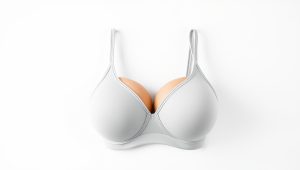
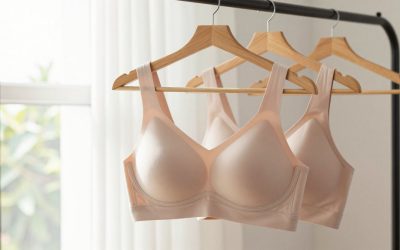
| Basic plus size wireless bra | $8–$20 | Usually softer and more comfortable, but often provides less lift, separation, and neckline control. |
| Simple cotton bralette | $10–$25 | Breathable and easy to wear, but may not contain a fuller bust during long days or higher-impact movement. |
| Fruit of the Loom Fit for Me unlined underwire bra, 44DDD | $16.33 | Affordable everyday construction and unlined cups; shaping, wire comfort, and durability may be more basic than premium options. |
| Minimizer full-coverage lace underwire bra, 38DDD | $9.99 | Very low entry price with full coverage; inexpensive materials may offer less consistent support or a shorter lifespan. |
| Secondhand or clearance full-bust bra | $5–$30 | Can deliver better construction for less money, but returns, hygiene, available sizes, and elastic condition may be limited. |
The $9.99 minimizer-style option may be appealing if you want coverage and a less projected silhouette, while the $16.33 Fruit of the Loom option is positioned more as a straightforward cotton-comfort everyday bra. Neither price guarantees a good fit. Check the wire placement, cup coverage, and band tension before judging the style.
FAQ
Are underwire bras bad for your breasts?
No. There is no general reason a correctly fitted underwire bra should harm healthy breasts. Problems usually come from a wire that rests on breast tissue, a band that is too tight, or prolonged wear despite pain and skin irritation. Remove the bra if you experience numbness, sharp pressure, or persistent redness.
How should a plus size underwire bra fit?
The band should sit level and feel firm without restricting breathing. The wire should surround the breast rather than cut across it. Cups should not overflow, gape, or wrinkle significantly. Straps should stay adjusted without digging into your shoulders, and the center gore should lie as close to your chest as the style permits.
How long does a plus size underwire bra last?
Expect roughly six months to two years, depending on rotation, washing, body chemistry, and construction. Rotating at least three bras gives each one time to recover between wears. Replace a bra when the band no longer supports you, the cups lose their shape, or the wire pokes through its casing.
Is a minimizer bra better for a fuller bust?
It can be useful if you want less forward projection or a smoother button-down fit. A minimizer does not reduce breast volume; it redistributes it across the cups and torso. Choose one with enough cup depth and side containment. If it compresses rather than supports, it may feel uncomfortable and create spillover.
Ready to decide? Our #1 pick for 2026 is the Basic plus size wireless bra.
Live price & availability on Amazon.
Related Reviews & Guides


6 Best Two Piece Swimwears For Plus Size 2026

How to Choose Plus Size Activewear Moisture Wicking in 2026: What Actually Matters