
Last Updated: September 18, 2026
Quick answer: Our top pick in 2026 is the Oversized cotton or linen button-up shirt — our #1 rated choice. See the full ranked comparison, alternatives and buying advice below.
The Short Answer
Yes—if you want an easy layer for walking between the water, changing area, chair, restaurant, or car without putting on a full outfit. A plus size swim coverup is not required for swimming, sunbathing, or feeling comfortable in a swimsuit, but it can make beach and pool days more practical. The one condition is that the coverup must fit comfortably through the shoulders, bust, hips, and arms; a garment that pulls, clings, or limits movement is not worth buying simply because it is labeled “plus size.”
So, do I need a plus size swim coverup? Think of it as a convenience garment rather than swimwear. If you regularly move around a public pool, visit resorts, stop for food after swimming, or prefer more coverage while outside the water, the answer is probably yes. If you go straight from a private pool to a towel and do not mind wearing your swimsuit everywhere, you can skip it.
As an Amazon Associate we earn from qualifying purchases at no extra cost to you.


What You Actually Get
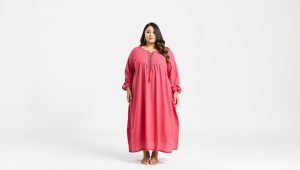
A swim coverup is a layer designed to go over a swimsuit. Common styles include loose dresses, tunics, beach shirts, sarongs, kaftans, and crochet or lace layers. Most are lighter and less structured than everyday clothing, so they can be pulled on over a wet bathing suit without requiring a zipper, buttons, or a perfectly dry body.
In practical terms, you get three things: coverage, convenience, and a little separation between your swimsuit and the rest of your day. A coverup can make it easier to walk through a hotel lobby, browse a beach shop, sit in a café, or pack up your belongings without changing clothes completely. It can also reduce the feeling of being exposed when you want to leave the water but are not ready to get dressed.
Coverage varies widely. A sheer lace style may cover the outline of a swimsuit while still showing most of the fabric underneath. A black tunic or dress with a denser weave may offer more visual coverage, but black does not automatically mean opaque. Hold the material up to bright light before relying on it for modesty. Also check the length: a short coverup may be comfortable for a pool deck, while a knee-length or longer option may feel more appropriate for a restaurant or public walkway.
The two reference options illustrate the typical budget range. The Chalier Swimsuit Coverup for Women, Plus Size Beach Swim Cover Up, Black is listed at $12.99, while the Lace Swimsuit and Bathing Suit Cover Up for Women, Black is listed at $13.99. At prices around $13 to $14, these are inexpensive accessories, but the value depends more on fit, fabric, and construction than on the small price difference.
Before buying, look for the garment’s finished measurements rather than relying only on the size label. Compare the bust and hip measurements with your own, allowing extra room for a relaxed fit. For a pull-on style, 2 to 4 inches of ease can make it easier to put on over a swimsuit. If the coverup has sleeves, also check the upper-arm measurement. A tight sleeve can make an otherwise roomy garment uncomfortable.
Pros
- Makes transitions easier. You can go from the pool or beach to a restroom, lobby, snack bar, or car without changing into a complete outfit.
- Adds flexible coverage. A coverup can conceal the stomach, hips, thighs, back, or upper arms, depending on its cut and length.
- Usually costs less than a full beach outfit. Budget styles commonly fall between about $10 and $35, while premium linen, cotton, or designer versions may cost $50 to $150 or more.
- Works with multiple swimsuits. A neutral color such as black can coordinate with one-pieces, bikinis, tankinis, and swim separates.
- Can be easier than regular clothing. Loose construction accommodates a wet swimsuit and avoids the struggle of pulling jeans or a fitted dress over damp skin.
- May provide light sun coverage. A tightly woven fabric can cover skin, although a standard coverup should not be treated as UPF-rated sun protection unless the label specifically states a UPF value.
- Helps define the end of swim time. Putting on a coverup can signal that you are ready to walk around or socialize without feeling fully dressed for a formal occasion.
Cons
- Fit can be inconsistent. “Plus size” is not a standardized measurement. One brand’s 2X may fit very differently from another brand’s 2X.
- Sheer fabric may provide less coverage than expected. Lace, mesh, and open-knit materials are attractive but may reveal the swimsuit clearly.
- Some fabrics cling when wet. Lightweight synthetic material can stick to the body after swimming, especially in humid weather.
- Loose does not always mean flattering or secure. An oversized coverup may catch wind, slide off the shoulders, or expose more than intended when sitting or bending.
- Short styles may ride up. This is especially noticeable when walking, climbing stairs, or carrying a beach bag.
- It is another item to pack and care for. Chlorine, salt, sunscreen, and damp storage can lead to odor, fading, or fabric damage if the garment is not rinsed and dried promptly.
- It does not replace a towel or robe in every setting. A thin coverup may not provide warmth after swimming or absorb water from the body.
Who Should Buy It
Buy a plus size swim coverup if you want a quick layer that works across several parts of a swim day. It is particularly useful for travelers staying at hotels or resorts, families moving between a pool and other activities, and anyone who prefers not to walk around in a swimsuit outside the water. It is also a smart purchase if you often feel more comfortable with your hips, stomach, thighs, chest, or arms covered.
Choose a style based on how you spend time outdoors. A loose, knee-length dress is versatile for walking and casual dining. A tunic works well with swim shorts or leggings. A sarong takes up very little luggage space but requires more adjustment. A lace layer can be attractive for lounging, while a denser woven fabric is better when you want substantial coverage.
Prioritize a neckline that does not press against your throat, armholes that allow normal movement, and a hem that stays in place when you walk. If you are between sizes, sizing up is often more comfortable for a pull-on coverup, provided the shoulders do not slip and the neckline remains secure.
Who Should Skip It
Skip it if you rarely leave the water area, already own a lightweight shirt or dress that does the same job, or dislike extra layers in hot weather. You may also prefer no coverup if you are comfortable in your swimsuit and do not need additional privacy or sun coverage.
Avoid buying one solely because you feel pressured to hide your body. A coverup should support your comfort, not enforce a rule about what a plus size person is allowed to wear. If you want coverage, buy it. If you do not, a swimsuit and towel may be all you need.
Cheaper Alternatives
| Option | Cost | Trade-off |
|---|---|---|
| Oversized cotton or linen button-up shirt | $10–$40 | More useful away from the beach, but may feel heavy or take longer to dry. |
| Basic T-shirt dress | $8–$30 | Often offers better opacity, but may cling to a wet swimsuit. |
| Men’s or unisex swim shirt | $15–$45 | Good shoulder and torso coverage, though the cut may not accommodate hips as comfortably. |
| Large cotton or microfiber towel used as a wrap | $8–$25 | Inexpensive and absorbent, but can slip, feel bulky, and limit movement. |
| Two-piece sarong or scarf-style wrap | $5–$20 | Very packable, but requires tying and may open when walking or sitting. |
| Budget swim coverup | $12–$15 | Low upfront cost, but check measurements, fabric opacity, and seams carefully. |
FAQ
What size should I buy in a plus size swim coverup?
Use the brand’s bust, waist, hip, and upper-arm measurements instead of assuming your usual size will fit. For a loose pull-on style, leave room to move and to accommodate a wet swimsuit underneath. If the design is fitted at the shoulders or bust, do not size up so far that the neckline slips or the armholes gape.
Should a swim coverup be tight or loose?
It should generally be loose enough to pull over your swimsuit without tugging, but not so oversized that it slides off or catches on everything. A practical test is to raise both arms, sit down, walk several steps, and bend slightly. The coverup should remain comfortable and provide the amount of coverage you expected.
Are black swim coverups less see-through?
Not necessarily. Color affects appearance, but fabric weight, weave, lining, and construction determine opacity. Black lace or mesh can still be highly transparent. If coverage matters, check customer photos, hold the garment near a bright window, and choose a denser fabric or lined design.
How should I care for a swim coverup?
Rinse it with cool, clean water after exposure to chlorine or salt, then follow the care label. Avoid leaving it damp in a sealed beach bag. Air-drying is usually gentler than high heat, which can shrink some fibers or weaken elastic. For 2026 beach and pool planning, the simplest rule remains the same: buy the coverup only if it makes your day more comfortable and convenient.
Ready to decide? Our #1 pick for 2026 is the Oversized cotton or linen button-up shirt.
Live price & availability on Amazon.
Related Reviews & Guides

6 Best Off-The-Shoulder Plus Size Blouses 2026
Best Rain Barrels for Downspouts in 2026: Top Picks Compared