
Last Updated: September 18, 2026
Choosing plus size activewear moisture wicking performance is less about finding the shirt with the biggest size label and more about matching fabric, fit, construction, and activity. Many shoppers make the same mistakes: they assume “dry fit” always means high performance, buy based on the largest available size, or choose a very loose top that traps heat instead of moving it away from the skin. Others focus only on the lowest price and overlook see-through fabric, tight armholes, rough seams, or a neckline that stretches after a few washes.
A useful shopping process starts with your measurements and the conditions in which you exercise. A breathable top for walking outdoors may not be suitable for indoor cycling or high-sweat strength training. In 2026, budget options are widely available, including oversized workout tees priced around $8 to $10 and multipacks ranging from approximately $20 to $40. The challenge is determining which specifications matter before comparing prices.
As an Amazon Associate we earn from qualifying purchases at no extra cost to you.
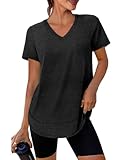


Decide These 3 Things First
- How you will use the top: Low-impact walking and casual wear need less stretch and structure than running, HIIT, or heated studio workouts.
- How much coverage you want: Decide between a standard hip-length shirt, a longer tunic-style cut, or an oversized silhouette. Measure your preferred hem position rather than relying on labels such as “3XL.”
- How much sweat and washing it will handle: Frequent workouts justify better fabric recovery, reinforced seams, and a fabric weight that can survive repeated washing without becoming thin or misshapen.
Size and Fit
Start with your fullest bust, natural waist, and hip measurements, then compare them with the garment’s size chart. Do not assume that a plus size in one brand matches the same size in another. A relaxed workout tee typically needs about 4 to 8 inches of ease at the bust for comfortable movement. If you prefer a close athletic fit, approximately 2 to 4 inches of ease may be enough, but the shirt should not pull horizontally across the chest or upper back.
For oversized styles, more room is not always better. An extra 10 to 14 inches of bust ease can create a comfortable drape, but excessive fabric may bunch under the arms, catch on equipment, or hold sweat against the body. Check the shoulder width and sleeve opening as well as the bust measurement. A sleeve opening of roughly 16 to 22 inches around can provide coverage without squeezing the upper arm, while a dropped shoulder can make the same shirt feel roomier without adding excessive length.
Length is another practical measurement. A hip-length active tee often measures about 28 to 32 inches from shoulder to hem in plus sizes. A tunic-style option may run 33 to 36 inches. For cycling, bending, or floor exercises, look for a back hem that remains at least 2 to 4 inches below the waistband.
Material and Moisture Management
“Moisture wicking” is a marketing description, not a universal performance standard. Look for the fiber content and fabric description. Polyester and nylon are common choices because they dry quickly and do not absorb as much water as cotton. A polyester-spandex blend, such as 90% polyester and 10% spandex, can provide stretch and faster drying than a cotton-heavy tee. Nylon-spandex often feels smoother and more substantial, but it may cost more.
Cotton can feel soft and comfortable for errands or low-intensity walking, yet it absorbs sweat and can stay damp for longer. A cotton-polyester blend may be a reasonable compromise for casual exercise, especially when the top is not worn during prolonged, high-sweat sessions. If a listing only says “dry fit” without naming the fiber content, treat that as incomplete information.
Fabric weight also affects performance. Lightweight activewear around 3 to 5 ounces per square yard generally feels cooler and dries quickly, but may be more transparent or less durable. Midweight fabric around 5 to 7 ounces offers more coverage and structure. Very heavy fabric, roughly 7 ounces or more, can feel substantial but may become hot during intense activity. Because sellers do not always publish fabric weight, use customer photos and the return policy to evaluate uncertain listings.
Construction and Coverage
Inspect the details that determine whether a top stays comfortable in motion. Flat or covered seams are preferable at the underarm, shoulder, and side body because bulky stitching can rub during repetitive movement. A reinforced neckband helps prevent the collar from stretching. Double-needle hems or cleanly finished edges are useful signs of better durability, although a product photo cannot guarantee long-term performance.
Consider the sleeve design. A sleeve extending 8 to 12 inches from the shoulder can provide upper-arm coverage without restricting movement. Raglan sleeves often allow easier shoulder mobility, while dropped shoulders create a relaxed appearance but may shift during lifting or yoga. For outdoor workouts, a higher crew neckline can offer more coverage from sun and friction. For indoor training, a V-neck may feel cooler but should not gape when bending forward.
Check opacity in the product photos, especially for white, pale gray, and pastel colors. A fabric that is acceptable when dry may become more revealing when wet. Dark colors such as black, navy, and charcoal are usually easier to wear for high-sweat workouts and may show fewer deodorant marks, though they can feel warmer in direct sun.
Comfort and Performance
A good plus-size active top should allow you to raise both arms overhead, rotate your shoulders, bend forward, and sit without the hem riding excessively. Try these movements when the shirt arrives. The armholes should not cut into the upper arm, and the side seams should remain close to the sides instead of twisting toward the front.
For walking, light strength training, and daily wear, prioritize softness, coverage, and a relaxed fit. For running, HIIT, or spin, choose lighter fabric, stretch in at least one direction, and a hem that does not flare dramatically. A shirt with 5% to 15% elastane or spandex may offer useful stretch, but more stretch does not automatically mean better moisture management.
Layering matters, too. If you wear a sports bra underneath, allow enough room at the bust and armholes to prevent compression. For outdoor use in warm weather, a loose top with 2 to 4 inches of airflow between the body and fabric can feel cooler than a clingy shirt, provided the fabric still dries quickly.
Price Tiers
Budget active tees usually cost about $8 to $15 each. The example oversized dry-fit shirts priced around $8.26 and $8.47 can be practical for rotating through frequent workouts, but inspect the size chart, fabric content, and customer photos carefully. At this level, expect simpler seams, limited color consistency, and less predictable sizing.
Multipacks often cost $19 to $40, or approximately $4 to $8 per shirt. The five-pack examples priced at $19.99 and $38.99 illustrate the range. Packs make sense when you exercise several times per week and want clean tops available between laundry loads. Compare the per-shirt cost, but do not buy a pack if the return policy requires returning every item together.
Midrange tops generally cost $20 to $45 each and may offer more consistent sizing, softer fabric, better seam finishing, and clearer care instructions. Premium technical tops can cost $45 to $90 or more. That price may be justified by specialized fabric, odor-resistant treatment, reflective details, or a more precise athletic cut, but only if those features match your routine. A premium price alone does not prove superior wicking.
Warranty, Returns, and Care
Activewear rarely comes with a traditional long-term warranty, so the return window matters more. Look for at least 30 days to test fit, and confirm whether the garment must be unworn, unwashed, or still have tags attached. A return policy that allows only store credit is less useful if sizing is inconsistent.
Read the care instructions before buying. Washable-at-home polyester and nylon tops are usually more convenient than garments requiring special treatment. Wash performance shirts in cool or warm water, avoid fabric softener when the manufacturer advises against it, and use low heat or air drying. High dryer temperatures can damage elastic fibers and reduce stretch recovery. If a shirt develops persistent odor after normal washing, that is a practical performance problem even if the fabric initially felt cool.
Delivery and Packaging
Delivery is less complicated than with furniture, but it still affects the buying decision. Check the estimated arrival date if you need clothing for a trip, class, or event. Multipacks may ship in one package, while colors or sizes can sometimes arrive separately. Inspect the shirt within 24 to 48 hours for wrong sizing, stains, holes, skipped stitching, or a strong chemical odor.
Keep packaging and tags until you have checked fit. Do not wash the entire order immediately if you are uncertain about sizing. For online purchases, save a screenshot of the size chart and product description because listings can change. A clear seller profile, accessible customer service, and straightforward exchanges are more valuable than a delivery promise that lacks a defined date.
Spec Checklist
| Spec | Budget | Mid | Premium |
|---|---|---|---|
| Typical price | $8–$20 each or multipack pricing | $20–$45 each | $45–$90+ |
| Fiber content | Polyester or polyester blend | Polyester-spandex or nylon-spandex | Technical nylon/polyester blend with specified features |
| Ease at bust | 4–10 inches for relaxed fits | 3–8 inches, depending on activity | 2–6 inches for a precise athletic fit |
| Fabric weight | About 3–6 oz./sq. yd. when listed | About 4–7 oz./sq. yd. | Usually specified by the manufacturer |
| Length | 28–36 inches | 28–34 inches | Activity-specific hem and coverage |
| Stretch | Some mechanical or 2-way stretch | 2-way or 4-way stretch | 4-way stretch with strong recovery |
| Return window | Preferably 30 days | 30–60 days | 30–90 days, subject to terms |
Red Flags
- The listing says “dry fit” or “moisture wicking” but does not disclose fiber content.
- The size chart gives only a generic S–5XL label with no bust, waist, hip, length, or sleeve measurements.
- Product photos show a loose fit, but reviews describe a narrow chest or tight upper arms.
- The price is unusually low and the listing has no return information, care label, or seller contact details.
- Reviews mention transparency, pilling after one wash, strong odor, twisting seams, or shrinking.
- The shirt has a very large armhole that exposes the bra or allows the fabric to catch on equipment.
- A multipack includes random colors or nonreturnable items without making that condition obvious.
FAQ
Is polyester or nylon better for plus-size moisture-wicking activewear?
Both can work well. Polyester is commonly affordable and quick-drying, while nylon often feels smoother and more substantial. Fit, fabric weight, airflow, and construction matter as much as the fiber name.
Should moisture-wicking activewear fit tightly?
No. A close fit can reduce excess fabric during running, but a relaxed fit may provide better airflow and comfort. Choose enough ease to move freely without fabric pooling under the arms or dragging heavily when damp.
How many activewear tops should I buy?
For two or three workouts per week, three to five tops can cover a normal laundry cycle. If you exercise five or more days weekly, six to eight tops may be more practical, especially if you do not wash clothing after every session.
Can I wear an oversized dry-fit shirt for intense workouts?
Yes, if the fabric dries quickly and the sleeves and hem do not interfere with movement or equipment. Test overhead reaches, bending, and arm swings before keeping it. For high-intensity sessions, a slightly less oversized cut may feel cooler and stay in place better.
Ready to decide? Our #1 pick for 2026 is the Typical price.
Live price & availability on Amazon.
Related Reviews & Guides
6 Best Push-Up Bras For Plus Size 2026
6 Best Blue Jeans For Plus Size Women 2026