
Last Updated: September 18, 2026
Lace bras need gentler care than everyday cotton underwear, and plus-size styles often combine delicate lace with elastic bands, molded cups, hooks, sliders, and wider straps. If you scrub, twist, soak too long, or use hot water, the lace can snag, the elastic can lose recovery, and the cups may crease permanently. Aggressive wringing can also distort the band so it no longer lies flat or provides even support.
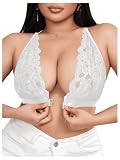
Hand washing is a few extra minutes of work, but it helps preserve the shape and stretch of a bra. The method below works for sheer lace bralettes, wireless styles, and front-closure designs, including affordable options such as the MakeMeChic Women’s Plus Size Lace Bra Sheer Sexy Bralette Black a and the MakeMeChic Women’s Plus Size Lace Bralette Front Closure Wireless Sexy Bra, both commonly listed around $14.99. Always check the garment’s care label first; its instructions take priority.
As an Amazon Associate we earn from qualifying purchases at no extra cost to you.

Quick answer: Our top pick in 2026 is the Clean basin or sink — our #1 rated choice. See the full ranked comparison, alternatives and buying advice below.
What You Need
| Item | Why | Optional? |
|---|---|---|
| Clean basin or sink | Provides enough room to wash the bra without crowding or snagging it on other items. A basin at least 12 by 12 inches is useful for a plus-size bra. | No |
| Cool or lukewarm water | Water around 80 to 90°F helps dissolve detergent while reducing stress on lace and elastic. | No |
| Gentle liquid detergent | Use a mild detergent made for delicates. About 1 teaspoon per 1 to 2 gallons of water is usually enough. | No |
| Soft, clean towel | Absorbs excess water without twisting the bra. | No |
| Mesh drying rack or clean hanger | Allows air circulation while the bra dries flat or supported. | Yes |
| Small soft laundry brush | Can lift a small makeup or deodorant mark with light dabbing. | Yes |
Step-by-Step
1. Read the care label and inspect the bra (2 minutes)
Look for instructions about water temperature, bleach, dry cleaning, and drying. Before washing, check the lace for loose threads, pulled loops, broken hooks, stretched elastic, or damaged underwire channels. Fasten back hooks so they cannot catch the lace. For a front-closure bra, close the clasp gently, but do not force a bent hook or misaligned closure.
Remove any removable pads or inserts if the label allows it. Wash them separately, because inserts can trap water and take much longer to dry.
2. Prepare the wash water (1 minute)
Fill a clean sink or basin with enough cool or lukewarm water to fully cover the bra, generally 1 to 2 gallons. Add approximately 1 teaspoon of mild liquid detergent and swirl the water until it is evenly mixed. Avoid pouring concentrated detergent directly onto lace, which can leave a visible spot or irritate skin when residue remains.
Do not use chlorine bleach, fabric softener, stain sticks, or strong oxygen products unless the care label specifically permits them. Fabric softener can coat elastic fibers and lace, reducing absorbency and leaving a film.
3. Submerge without scrubbing (3 minutes)
Place the bra in the water and press it down gently so the lace, band, cups, and straps become saturated. Let it rest for about 2 to 3 minutes. Hold the bra by the band rather than pulling on a single strap.
Use your fingertips to lightly compress the fabric, especially around the underbust band, sides, and areas that touch deodorant or sweat. Think of this as pressing water through the fibers, not rubbing dirt out of a shirt. If you see a small mark, dab it with diluted detergent using your fingertips or a soft brush. Do not brush across the lace repeatedly.
4. Gently agitate the bra (2 minutes)
Lift the bra slightly and move it through the water with slow, controlled motions. Fold the cups together only loosely; never twist them. Pay attention to the band and straps, where body oils and perspiration collect. Two minutes of gentle movement is usually sufficient for a lightly worn bra.
For heavier residue, allow an additional 5 to 10 minutes of soaking, but avoid leaving lace bras submerged for hours or overnight. Extended soaking can weaken dyes and leave elastic waterlogged.
5. Rinse until the water runs clear (2 to 4 minutes)
Drain the soapy water and refill the basin with cool water. Press the bra under the water, then release it repeatedly. Change the rinse water once or twice until it no longer feels slippery and no visible suds remain. A handheld faucet can work, but keep the stream gentle and avoid aiming it directly at one lace panel.
Take extra care with the band and padded sections, which can retain detergent. Residue may cause itching, stiffness, or a sour smell after drying.
6. Remove water without wringing (2 minutes)
Support the entire bra with both hands and lift it from the basin. Let excess water drip for a few seconds. Do not twist, wring, stretch the band, or squeeze one cup against the other.
Lay the bra flat on a clean towel. Roll the towel around it and press down gently with your hands for about 30 to 60 seconds. Unroll the towel and repeat with a dry section if the bra is still dripping. A plus-size bra may hold several ounces of water, so this step meaningfully shortens drying time without stressing the lace.
7. Reshape and air-dry properly (12 to 24 hours)
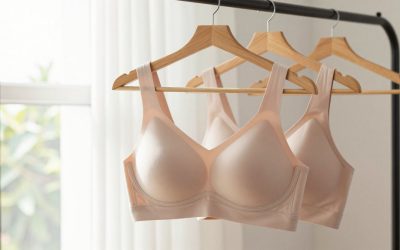
Place the bra flat on a dry mesh rack or clean towel in a well-ventilated area. Smooth the lace with your fingertips, straighten the band, center the cups, and position the straps naturally. If the bra has molded cups, restore their rounded shape while damp.
Do not hang a wet bra by one strap. The weight of the water can stretch the strap and pull the cups out of alignment. If you use a hanger, drape the bra over the center bar or fold it over the lower portion so the weight is distributed evenly.
Keep it away from direct sunlight, radiators, heated towel rails, and hair dryers. Heat can fade dark lace and shorten the life of elastic. Drying commonly takes 12 to 24 hours, depending on room humidity, fabric thickness, and ventilation. Do not wear or store it while any part remains damp.
Mistakes to Avoid
- Using hot water: High heat can relax elastic and cause colors to bleed. Stay near 80 to 90°F unless the label says otherwise.
- Scrubbing lace: Repeated rubbing can create fuzz, pulls, and holes. Press and release the fabric instead.
- Overusing detergent: More soap does not equal a cleaner bra. Start with about 1 teaspoon per 1 to 2 gallons of water.
- Leaving hooks open: Open hooks can catch lace during washing. Fasten them before submerging the bra.
- Wringing or twisting: This can permanently distort cups, bands, and elastic.
- Drying on a radiator or in a dryer: Direct heat may damage lace and elastic. Air-dry instead.
- Mixing colors carelessly: Wash a new black or brightly colored bra separately for the first few washes.
How Often
Wash a bra after every 2 to 3 wears if it was worn over a clean base layer and remained dry. Wash it after every wear if you sweated heavily, applied body oil or lotion, or wore it directly against the skin for a full day. Rotate at least three bras when possible so each one gets about 24 hours to recover between wears.
Do not wait for a strong odor. Sweat, skin oils, and deodorant can build up in the band and under the cups even when the bra looks clean. If you own several delicate lace bras, washing two or three together in the same basin is fine as long as colors are similar and the basin gives each item room to move.
When to Call a Pro or Replace
Professional cleaning is rarely necessary for an ordinary lace bralette. Consider asking a specialty cleaner for advice if the bra has antique lace, beading, elaborate embroidery, leather details, or a difficult oil-based stain. Tell the cleaner that the item contains elastic and delicate lace.
Replace the bra when the band stays stretched after washing, the lace has a hole that continues to spread, the underwire is poking through, the closure repeatedly opens, or the cups remain misshapen. A practical test is to fasten the bra on the loosest setting: if the band rides up and cannot be adjusted comfortably, the elastic may no longer provide reliable support. Also replace it if the fabric causes persistent skin irritation after thorough rinsing.
FAQ
Can I hand wash a plus-size lace bra with regular laundry detergent?
Use a mild liquid detergent whenever possible. Standard detergents may contain stronger cleaners, fragrance, or enzymes that can be harsh on delicate lace and elastic. If regular detergent is your only option, dilute a very small amount—about 1/2 teaspoon in 1 to 2 gallons of water—and rinse especially thoroughly.
How long should I soak a lace bra?
Start with 2 to 3 minutes of soaking and gentle agitation. For sweat or deodorant buildup, extend the soak to 5 to 10 minutes. Avoid soaking overnight, because prolonged exposure to water and detergent can fade color and stress elastic fibers.
Can I hand wash removable bra pads at the same time?
Yes, if the care label permits it. Remove the pads and press them gently in the same detergent solution, then rinse until the water is clear. Do not wring or fold them sharply. Dry them flat and return them to the bra only when completely dry.
Why does my bra smell after it has dried?
Lingering odor usually means detergent, sweat, or body oils remain in the band or padding, or the bra was stored before it fully dried. Rinse it again in cool water, press out excess water with a towel, and dry it flat in moving air for up to 24 hours. If the odor returns immediately or the elastic feels sticky or brittle, replacement may be the better choice.
Ready to decide? Our #1 pick for 2026 is the Clean basin or sink.
Live price & availability on Amazon.
Related Reviews & Guides





How to Soften Plus Size Denim Jeans (2026): Step-by-Step
6 Best Most Flattering Jeans For Plus-Size 2026