
Last Updated: September 18, 2026
Wool coats are warm, structured, and naturally odor-resistant, but they are also vulnerable to heat, friction, agitation, and uneven drying. Washing a plus size wool coat incorrectly can cause felting, shrinkage, rippling, color bleeding, stiff fibers, or a misshapen hem. A larger coat may also hold more water, which increases the risk of stretching when it is lifted or hung wet. The safest approach is to follow the care label first, clean only when necessary, and use cool water with as little movement as possible. This method explains how to wash plus size wool coat safely at home when the label permits hand washing or gentle washing.
Quick answer: Our top pick in 2026 is the Large clean bathtub, basin, or storage tote — our #1 rated choice. See the full ranked comparison, alternatives and buying advice below.
What You Need
| Item | Why | Optional? |
|---|---|---|
| Large clean bathtub, basin, or storage tote | Provides enough room for a plus size coat to lie flat without bunching | No |
| Cool water, approximately 60–75°F | Reduces the risk of shrinkage, dye bleeding, and fiber felting | No |
| Wool-safe detergent, such as Nikwax Wool Wash, 1,000 ml, about $30–$31 | Cleans wool without the harsh alkalinity of many standard laundry detergents | No, if hand washing |
| Two to four large white towels | Blot excess water and support the coat while it dries | No |
| Clean drying rack or large flat surface | Allows the coat to dry horizontally and retain its shape | No |
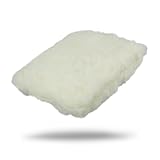
| Soft garment brush or clean, lint-free plush pad, such as a 10-by-10-inch Maxshine Universal Plush Synthetic Wool Pad, about $13–$15 | Helps lift surface dust and loosen small spots before washing; use very gently | Yes |
| Mesh laundry bag | Useful only if the care label permits a washing machine’s wool or hand-wash cycle | Yes |
| Measuring spoon or cup | Prevents using too much detergent, which can be difficult to rinse from dense wool | Yes |
Before starting, remove belts, detachable faux-fur trim, brooches, and anything from the pockets. Close zippers and fasteners, but do not force stiff buttons. Read the fiber content and care instructions. A coat labeled “dry clean only,” or one with leather, suede, glued interfacing, heavy shoulder structure, or extensive tailoring, should not be submerged at home.
As an Amazon Associate we earn from qualifying purchases at no extra cost to you.

Step-by-Step
1. Inspect and test the coat (10 minutes)
Check the lining, cuffs, collar, underarms, pocket edges, and hem for stains or loose seams. Brush away dry dirt with a soft brush or a clean plush pad. If using a pad, move in one direction with light pressure; do not scrub. Test for colorfastness on an inconspicuous inside seam by pressing a damp white cloth against the fabric for 30 seconds. If color transfers noticeably, stop and use a professional cleaner.
2. Pre-treat visible spots (5–10 minutes)
Do not pour detergent directly onto the wool. Instead, mix a small amount of wool wash with cool water according to the product label. Dab the diluted solution onto a spot with a white cloth, working from the outside toward the center. Leave it for a few minutes, then blot with clean water. Avoid chlorine bleach, oxygen bleach unless the care label specifically permits it, enzyme stain removers, baking soda, and household dish soap. These can alter wool fibers or dyes.
3. Prepare the washing bath (5 minutes)
Fill a clean tub or large basin with enough cool water to fully cover the coat without compressing it. For a plus size coat, this may require a bathtub or a container holding at least 8–12 gallons. Add the recommended amount of wool detergent. As a general guide, start with about 1–2 fluid ounces for a full bathtub, but follow the detergent’s own directions. Swirl the water briefly to distribute the cleaner, then wait until the detergent is mixed.
4. Submerge the coat carefully (2 minutes)
Lay the coat flat on the surface of the water and press it down slowly with clean hands. Do not drop it into the bath, twist it, or push air bubbles through the fabric. Make sure the lining, sleeves, pockets, and hem are wet. If the coat floats, press gently across broad areas rather than grabbing one end.
5. Clean with minimal agitation (5–10 minutes)
Let the coat soak for up to 10 minutes, or follow the wool wash instructions. Gently press the coat under the water several times, concentrating on the collar, cuffs, underarms, and hem. Do not rub fabric against itself, knead it, brush it vigorously, or use a washboard. Friction combined with moisture and heat is a major cause of wool felting. Do not leave the coat soaking for hours, because dyes and structured layers may be affected.
6. Drain and rinse (10–15 minutes)
Support the entire coat with both arms as you lift it from the water. Never lift a saturated plus size coat by the shoulders or collar alone. Drain the tub, refill it with cool water, and press the coat gently to release detergent. Repeat with fresh water until the water is mostly clear and no slippery residue remains. Two or three rinses are often needed for a thick coat.
7. Remove water without wringing (10 minutes)
Lay the coat flat on a clean towel and roll the towel and coat together from one end to the other. Press firmly along the roll using your hands or body weight, then unroll it. Repeat with dry towels until the coat is damp rather than dripping. A washer’s spin cycle is not recommended unless the care label specifically allows it. Even a gentle spin can distort a heavy, saturated coat.
8. Reshape and dry flat (24–48 hours)
Place the coat flat on a drying rack covered with towels or on another clean, ventilated surface. Smooth the shoulders, sleeves, front panels, pockets, side seams, and hem into their original dimensions. Measure the length and sleeve position if you want a reference while it dries. Turn the coat every 6–8 hours and replace damp towels. Keep it away from radiators, fireplaces, direct sunlight, heated vents, and hair dryers. Do not hang it while wet; the weight can stretch the shoulders and cause the hem to drop.
9. Finish and store (10–15 minutes)
When the coat is completely dry, check for remaining spots and brush the surface lightly in one direction. Reattach removable trim only after it is dry. Air the coat for several hours, then hang it on a broad, sturdy hanger approximately 1–2 inches wide at the shoulder. Leave room in the closet for ventilation and use a breathable garment bag rather than plastic.
Mistakes to Avoid
- Ignoring the care label: “Dry clean only” is not a suggestion, especially for tailored or lined coats.
- Using hot water: Keep the wash and rinse water at a similar cool temperature. Sudden temperature changes can encourage shrinkage and felting.
- Scrubbing stains: Blot and press instead of rubbing.
- Using regular laundry detergent: Many formulas contain enzymes, brighteners, or alkalines that are unsuitable for wool.
- Wringing or twisting: This can stretch seams, lining, and interfacings unevenly.
- Drying on a hanger: A wet plus size coat is especially heavy and may develop pointed shoulders or a stretched hem.
- Overusing detergent: More soap does not mean a cleaner coat; it only makes rinsing harder.
- Skipping a color test: A dark or richly dyed coat may bleed even when the wool itself is washable.
How Often
Wash a wool coat only when it is genuinely soiled, usually once per season or less. After each wear, empty the pockets, let the coat air for several hours, and brush off surface dust. Spot-clean small marks promptly. For routine odors, ventilation is safer than repeated washing. A professional clean may be appropriate at the end of the season if the coat has absorbed body oils, smoke, food odors, or road salt.
When to Call a Pro or Replace
Choose a professional cleaner if the label requires dry cleaning, the coat has a bonded or quilted lining, leather details, elaborate tailoring, stubborn oil stains, severe dye transfer, or a strong persistent odor. Ask whether the cleaner handles wool and can preserve the coat’s original shape. If the coat shrinks, felts, or develops a permanently distorted lining after washing, home reshaping may not work. Replacement is reasonable when the fabric has widespread thinning, moth damage, broken structural seams, an irreparable lining, or a fit that cannot be restored after repeated alterations.
FAQ
Can I wash a plus size wool coat in a washing machine?
Only if the care label explicitly permits machine washing. Use a wool or hand-wash cycle, cool water, a wool-safe detergent, and a mesh bag if the coat fits without being compressed. Remove it promptly and dry it flat. For many structured coats, hand washing or professional cleaning is safer.
Can I use fabric softener on wool?
Usually no. Fabric softener can coat fibers, reduce wool’s natural performance, and leave residue that attracts dirt. Use a detergent designed for wool and rinse thoroughly instead.
How do I wash a coat that is mostly wool but has polyester lining?
The wool exterior determines the cleaning method. Treat the coat as wool: use cool water, minimal agitation, and flat drying if the label allows washing. The polyester lining does not make hot water or tumble drying safe.
What if the coat smells but is not dirty?
Air it in a shaded, well-ventilated area for several hours, then brush it lightly. If the odor remains after ventilation, consult a professional cleaner instead of repeatedly soaking the coat. This preserves the fibers and structure through the 2026 wearing season and beyond.
Ready to decide? Our #1 pick for 2026 is the Large clean bathtub, basin, or storage tote.
Live price & availability on Amazon.
Related Reviews & Guides



6 Best Maternity Dresses For Plus Size Women 2026

6 Best Plus-Size Maternity Clothes 2026