
Last Updated: September 18, 2026
Quick answer: Our top pick in 2026 is the Seamless full-coverage underwear — our #1 rated choice. See the full ranked comparison, alternatives and buying advice below.
The Short Answer
Yes, a plus size slip is worth it if you regularly wear dresses or skirts that cling, turn sheer in bright light, or feel rough against your skin. The one condition is that you choose the right length, stretch, and coverage for your wardrobe; a poorly fitted slip can bunch, ride up, or create more lines than it solves.
For many shoppers, a slip is a small purchase that makes inexpensive and occasion-ready clothing look more polished. It can also help a dress move smoothly over curves instead of catching at the hips and thighs. At the same time, not every dress needs one, and a full slip is not always the best option. The right choice depends on your clothes, comfort preferences, and whether you need coverage, shaping, anti-static protection, or all three.
As an Amazon Associate we earn from qualifying purchases at no extra cost to you.


What You Actually Get
A plus size slip is a lightweight undergarment worn beneath a dress or skirt. It generally serves four purposes: it adds opacity, reduces cling, creates a smoother layer, and helps fabric slide over your body as you walk or sit.
A full slip covers the torso and extends down the legs, commonly ending anywhere from mid-thigh to just above the knee or lower calf. It is useful beneath dresses with a low or semi-sheer skirt, a loose armhole, or a fabric that sticks to underwear. A half slip starts at the waist and covers only the lower body, making it easier to wear with a separate top and skirt or with dresses that already provide enough coverage through the bodice.
Size labels are not consistent between brands, so the garment’s measurements matter more than “3X” or “4X” on the tag. Before ordering, compare your waist and hip measurements with the seller’s chart. For a half slip, hip room is especially important. For a full slip, also check bust and torso length. If you are between sizes, the larger size is usually more comfortable unless the fabric has generous stretch.
Length is another practical detail. A slip should normally be at least 1 inch shorter than the outer skirt or dress so it does not show when you move. For a midi or maxi dress, check that the slip is long enough to prevent a visible line around the thighs, but not so long that it gathers around your knees or ankles. Adjustable straps are helpful when your torso length does not match standard proportions.
Pros
- Improves coverage. A slip can make lightweight, white, pastel, lace, or unlined dresses feel more wearable. It is particularly useful in strong daylight, where fabrics often look more transparent than they do indoors.
- Reduces cling. Satin, polyester, rayon, and some knits can stick to underwear or bare skin. A smooth slip creates a separating layer that helps the dress fall more evenly.
- Helps clothes drape. Instead of catching on the hips, stomach, or thighs, the outer garment can glide over the slip. This can make a relaxed dress look less rumpled without adding shapewear-level compression.
- Protects clothing from body oils and deodorant. The slip takes some of the everyday wear, which may reduce how often you need to wash delicate dresses.
- Can be inexpensive. Basic plus size slips commonly cost about $12 to $35. For comparison, the VintageClothing Womens Plus Size Full Slip in 4X is listed at $14.99, while the Lovasy two-piece half-slip set is listed at $17.59.
- Adds modesty without heavy shaping. Unlike firm shapewear, a traditional slip is meant to smooth fabric and provide coverage, not significantly change your measurements.
- Extends your wardrobe. A single black or nude slip can work under multiple dresses, especially if you have several unlined pieces in similar lengths.
Cons
- Fit problems are common. If the bust is too tight, the waist rolls, or the hips do not have enough room, the slip can bunch under the dress. Plus size shoppers should not rely on the size label alone.
- It may add warmth. An extra layer can feel uncomfortable in hot or humid weather, particularly when made from polyester or heavier satin. Look for lightweight fabric and breathable construction if you run warm.
- Straps and hems can show. A wide neckline, sleeveless dress, or short skirt may expose the slip. Match the slip’s neckline and hem to the outer garment, and test both in a full-length mirror before leaving home.
- Not all slips stay in place. Some roll at the waist, ride up while walking, or develop static. A waistband with enough coverage and an anti-static finish can help, but neither is guaranteed for every fabric combination.
- It is not shapewear. A regular slip will not provide firm tummy control, thigh compression, or significant support. Buying one for shaping may lead to disappointment.
- Care can be inconvenient. Delicate slips may require a lingerie bag, cold washing, or air drying. Heat from a dryer can damage elastic and shorten the garment’s useful life.
- One length may not suit every dress. A knee-length slip can be ideal under a work dress but unsuitable under a maxi or a short summer dress. You may eventually need more than one.
Who Should Buy It
Buy a plus size slip if you own at least two or three dresses that are unlined, clingy, translucent, or uncomfortable over underwear. It is also a smart purchase if you attend events where you want a smoother silhouette without wearing compression shapewear. People who wear skirts frequently may get more value from a half slip, while people who mainly wear dresses may prefer a full slip.
A nude slip is the most versatile choice under light-colored clothing, but choose a shade close to your skin rather than automatically choosing white. Black works well under dark dresses. If you are buying your first one, a simple knee-length style with adjustable straps and a relaxed fit is a practical starting point. For 2026 wardrobes that mix casual, office, and occasion dresses, versatility is more useful than decorative details.
Who Should Skip It
Skip a traditional slip if nearly all your dresses are lined, opaque, or made from substantial fabric. You may also prefer not to buy one if you dislike extra layers, live in a consistently hot climate, or need strong shaping rather than a smooth underlayer.
A slip is also unnecessary beneath many casual cotton dresses that do not cling or show through. In those cases, a comfortable pair of full-coverage underwear or seamless shorts may solve the problem with less fabric. If your main concern is thigh chafing, choose anti-chafing shorts instead of expecting a slip to stay perfectly positioned during long walks.
Cheaper Alternatives
| Option | Cost | Trade-off |
|---|---|---|
| Seamless full-coverage underwear | $8–$20 | Less fabric and often cooler, but it will not prevent a dress from clinging along the thighs. |
| Anti-chafing shorts | $10–$25 | Good for walking and thigh coverage, but they may show under a short dress and do not cover the torso. |
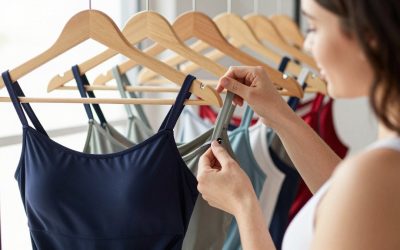
| Stretch camisole plus matching shorts | $12–$30 total | Easy to replace separately, but the two pieces can shift or leave a visible waistband. |
| Basic half slip | $9–$20 | Usually cheaper and more versatile with skirts, but it cannot solve transparency or cling through the bodice. |
| VintageClothing full slip, 4X | $14.99 | Budget-friendly full coverage, but confirm measurements, length, fabric feel, and strap adjustability before buying. |
| Lovasy two-piece half-slip set, 3X-Large | $17.59 | Two colors can cover more outfits, but a half slip will not provide upper-body coverage and sizing may differ between brands. |
The cheapest option is not automatically the best value. A $15 slip that fits several dresses can be more useful than a $9 garment that rides up or is too short. Consider cost per wear: wearing a $20 slip 20 times works out to $1 per use, before accounting for how much it improves the clothes you already own.
FAQ
Do plus size slips make you look slimmer?
Usually, no—not in the way shapewear does. A slip may make your dress look smoother by reducing bunching and cling, which can create a more polished appearance. It should not feel tight or compress your body. For noticeable shaping, look for a separate garment specifically designed for light, medium, or firm control.
Should I choose a full slip or a half slip?
Choose a full slip when you need coverage through the bodice and skirt, or when dresses tend to cling across your entire body. Choose a half slip when your tops and dresses already provide enough upper-body coverage. If you wear both skirts and dresses, a half slip may offer more flexibility, while a full slip is more convenient for one-piece outfits.
What color slip is best?
Nude is generally the most useful color under light clothing, provided it is close to your skin tone. Black is practical beneath dark dresses. White can be visible under pale or thin fabrics, so it is not always the safest choice for a white dress. When in doubt, check the outfit in direct daylight and use a mirror from several angles.
How should a plus size slip fit?
It should lie smoothly without digging into your bust, waist, or hips. You should be able to sit, bend, and walk without the hem riding several inches upward. The slip should stay at least 1 inch shorter than the outer hem, and its straps should adjust enough to keep the neckline hidden. If it twists or creates horizontal folds while standing still, try a different size, length, or fabric.
Ready to decide? Our #1 pick for 2026 is the Seamless full-coverage underwear.
Live price & availability on Amazon.
Related Reviews & Guides

6 Best Good Jeans For Plus Size 2026
6 Best Good Leggings For Plus Size 2026