Last Updated: September 7, 2026
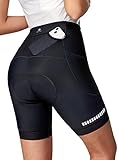
- Top Pick: baleaf 4D Padded Bike Shorts Women Cycling Underwear Black XXL
- Best Value: Women's 4D Padded Bike Shorts Cycling Padding Riding Bicycle Road Mountain Biking Cycle Spin Shorts for Women with Zipper Pockets(Black,XXL)
- Premium Choice: NOOYME Padded Bike Shorts Women 3D Padding Bicycle Womens Cycling Shorts (XXX-Large, Black)

TL;DR — Plus Size Cycling Shorts
- Size range to look for: 1X–6X with extended inseam options (9″–11″) to prevent thigh ride-up
- Key feature: High-density chamois padding and wide flat waistband — no rolling, no chafing
- Best use: Road cycling, spin classes, casual bike rides, and indoor trainer sessions
- Verdict: The right padded cycling shorts eliminate saddle soreness entirely — the wrong ones make every ride miserable regardless of how good your bike is
Plus Size Cycling Shorts Padded: The Best Options for Comfort, Coverage, and Performance
Saddle soreness is the number one reason new cyclists quit. For plus-size riders, generic cycling shorts add a second problem on top: waistbands that roll, thigh bands that cut in, and chamois pads positioned wrong for a curvier seat. Plus size cycling shorts with proper padding solve both problems simultaneously — when they’re designed correctly for bigger bodies rather than scaled up from a size Small.
This isn’t about aesthetics. A well-fitted padded short changes the biomechanics of every ride. The chamois pad acts as a shock absorber and pressure distributor across the sit bones, while compression fabric stabilizes muscle groups and reduces chafing between the thighs. Get these two things right and you can ride for two hours without thinking about your shorts. Get them wrong and you’re thinking about them after ten minutes.
As an Amazon Associate we earn from qualifying purchases at no extra cost to you.




🛒 Best Price Today on Amazon
Prime members get fast, free shipping on everything above, plus member-only deals. New members get a 30-day free trial — cancel anytime.
Start 30-Day Prime Free Trial →See Today’s Amazon DealsTop Picks at a Glance
BEST FOR ROAD CYCLING
High-Density Padded Cycling Shorts
Dense chamois, flat-seam construction, wide non-roll waistband

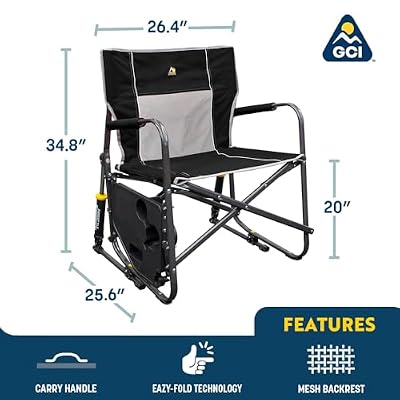
GCI Outdoor Freestyle Rocker XL with Side Table Camping Chair | Portable Folding Rocking Chair with Solid, Durable Armrests, Drink Holder & Comfortable Backrest — Black



As an Amazon Associate we earn from qualifying purchases. Product prices and availability are accurate as of the date/time indicated.
BEST FOR SPIN CLASS
Indoor Cycling Padded Short
Moisture-wicking, 4-way stretch, longer inseam for full thigh coverage

Sherpa Hiking Hydration Backpack – 22L Hiking Backpack with Water Bladder, Phone Compartment, Waterproof Zippers & Trekking Pole Holders


As an Amazon Associate we earn from qualifying purchases. Product prices and availability are accurate as of the date/time indicated.
BEST VALUE
Budget Padded Cycling Short
Entry-level price with reliable padding — ideal for casual rides and beginners



As an Amazon Associate we earn from qualifying purchases. Product prices and availability are accurate as of the date/time indicated.
What Makes Plus-Size Cycling Shorts Different
The difference between a “plus size” cycling short and a standard short made bigger is significant. Genuine plus-size design involves three key changes beyond just scaling up the fabric panels:
- Chamois repositioning: Wider sit-bone spacing is common in plus-size riders. A chamois positioned for a size-medium frame lands in the wrong place — often behind the sit bones rather than under them. Proper plus-size chamois design accounts for this anatomical difference.
- Waistband architecture: A 2–3 inch wide silicone-gripped waistband lies flat on a size Medium. On a plus-size body, a thin waistband rolls under abdominal weight. Wide fold-over or stay-flat waistbands (4–5 inches) are essential.
- Inseam length: Standard shorts cut at 7–8 inches expose inner-thigh skin that rubs on the saddle. Plus-size riders with larger thighs need 9–11 inch inseams for full coverage where skin-on-skin or skin-on-saddle contact causes chafing.
Always check inseam length in the product specs, not just the size chart. Many brands list overall size (S/M/L/XL) without stating inseam — this is a red flag that the short wasn’t specifically designed for plus-size fit.
Chamois Density and Thickness: Finding the Sweet Spot
More padding is not always better. This surprises most new cyclists. A chamois that’s too thick actually creates more pressure problems by lifting your body away from the saddle, forcing your legs to work harder and changing your pedaling mechanics. The goal is targeted density in the right places, not maximum thickness everywhere.
| Chamois Type | Best For | Thickness | Notes for Plus-Size Riders |
|---|---|---|---|
| Thin race chamois (3–5mm) | Performance road cycling, long rides | Low profile | Best for experienced riders; needs proper saddle fit first |
| Medium density (6–9mm) | General road cycling, spin, moderate distances | Moderate | Best starting point for most plus-size cyclists |
| Thick comfort chamois (10mm+) | Casual rides, beginners, upright riding position | High | Good for short rides; can cause pedaling inefficiency over 1hr |
| Gel-insert chamois | Rough roads, long-distance touring | Variable | Gel conforms to body shape; excellent for curvier sit-bone profiles |
For most plus-size cyclists starting out or riding 1–3 hours at a time, a 7–9mm density chamois with a gel layer is the optimal combination. Dense enough for real impact absorption, thin enough to maintain natural pedaling mechanics.
GCI Outdoor Freestyle Rocker XL with Side Table Camping Chair | Portable Folding Rocking Chair with Solid, Durable Armrests, Drink Holder & Comfortable Backrest — Black
As an Amazon Associate we earn from qualifying purchases. Product prices and availability are accurate as of the date/time indicated.
Compression Level: Support Without Restriction
Cycling shorts use graduated compression to stabilize quads and reduce muscle vibration during pedaling. For plus-size riders, compression also serves a practical function: it keeps the short in place throughout the pedaling motion and prevents the short from bunching or twisting mid-ride.
The catch: too much compression creates discomfort, restricts blood flow, and can dig into soft tissue at the waist or thigh bands. Look for:
- Fabric with at least 20–25% elastane content for four-way stretch
- Flat-seam or bonded construction (no raised seams that press into skin during pedaling)
- Thigh bands with silicone grippers, not tight elastic — silicone grips hold without constricting
- Compression level labeled as “medium” or “moderate” rather than “high compression” for everyday riding comfort
Bib Shorts vs Regular Waistband: The Honest Assessment
Bib shorts — which use suspender straps over the shoulders instead of a waistband — are the gold standard in cycling performance. They stay up perfectly, eliminate all waistband pressure, and don’t roll. For average-build cyclists, they’re clearly superior.
For plus-size cyclists, the picture is more complicated. Bib straps are designed for a narrower torso-to-hip ratio. On a plus-size body, the straps can pull the chamois up out of position or create pressure across the upper body. Additionally, stopping to use a restroom in bibs requires fully removing the top layer — a real inconvenience on long rides.
Recommendation: start with a high-quality waistband short with a 4–5 inch wide stay-flat band. If you’re riding regularly (3+ times per week) and want to invest in bibs, look for brands that offer extended bib strap lengths and plus-size-specific proportions.
For full outdoor fitness gear, see our plus size yoga pants and leggings guide for cross-training and studio use. If you’re building a cycling kit, our plus size bicycle guide covers bike selection for bigger riders.
Full Spec Comparison
| Feature | Budget Shorts | Mid-Range Shorts | Premium Plus-Size Specific |
|---|---|---|---|
| Size range | XL–3X (often | XL–4X | 1X–6X with extended sizing |
| Chamois density | Thin (3–5mm) | Medium (6–9mm) | Density-mapped gel (7–10mm) |
| Waistband | Thin elastic (1–2″) | Wide elastic (3″) | 4–5″ stay-flat or fold-over |
| Inseam | 7–8″ | 8–9″ | 9–11″ options |
| Seam construction | Standard raised seams | Flatlock seams | Bonded/flatlock throughout |
| Fabric | Polyester/spandex | Nylon/elastane blend | 4-way stretch performance fabric |
| Price range | $20–$40 | $40–$70 | $70–$130 |
For other active wear, our plus size snow pants guide covers cold-weather cycling and winter sports. Check our plus size yoga mat guide for stretching and recovery equipment to complement your cycling routine.
Sherpa Hiking Hydration Backpack – 22L Hiking Backpack with Water Bladder, Phone Compartment, Waterproof Zippers & Trekking Pole Holders
As an Amazon Associate we earn from qualifying purchases. Product prices and availability are accurate as of the date/time indicated.
Frequently Asked Questions
Should I wear underwear under plus size cycling shorts?
No — and this applies regardless of size. Underwear creates additional seams under the chamois, causes bunching and friction, and defeats the moisture-wicking function of the shorts. Cycling shorts are designed to be worn directly against the skin. The chamois is the underwear. If hygiene is the concern, most quality chamois are treated with antimicrobial materials, and you wash the shorts after every ride.
How do I know if the chamois is in the right position?
Put the shorts on and sit in your riding position — on your bike or on a chair angled forward. The dense part of the chamois should be directly under your sit bones (the two bony points you feel when sitting). If the pad feels like it’s behind your sit bones or positioned too far forward, the chamois proportions are wrong for your body and you need a different short.
How long do padded cycling shorts last?
A quality chamois lasts roughly 100–150 rides with proper care (hand wash or delicate cycle, hang dry — never machine dry). The chamois foam breaks down before the fabric wears out. When the padding starts to feel thin or you notice saddle soreness returning on rides where it didn’t before, the chamois is done. Budget shorts may last only 30–50 rides.
What’s the difference between cycling shorts for outdoor riding versus spin class?
Outdoor cycling shorts typically have a thinner, more performance-oriented chamois suited for a road saddle. Spin/indoor shorts often have thicker padding to compensate for the fixed, less-adjustable indoor bike saddles and the high intensity of spin class movement. If you do both, a medium-density chamois works adequately for both contexts — or invest in two pairs optimized for each.
Can plus size cycling shorts help with thigh chafing even off the bike?
Yes — many plus-size cyclists and runners wear padded or unpadded compression shorts under casual clothing specifically to prevent thigh chafing during walking and daily activity. The longer inseam (9–11″) of plus-size cycling shorts makes them particularly effective for this purpose. Look for shorts with silicone thigh bands that hold the hem in place rather than rolling up throughout the day.
As an Amazon Associate we earn from qualifying purchases. Product prices and availability are accurate as of the date/time indicated.
Related Guides
- Best Curvy Fit Jeans: Denim Cut for Fuller Hips and Smaller Waists
- Quick Picks: Best Plus Size High Waist Shorts for Women
- Plus Size Fleece Jogger Sweatpants
- Best Plus Size High Waist Shorts: Flattering Picks for Warm Weather
Ready to decide? Our #1 pick for 2026 is the Thin race chamois (3–5mm).
Live price & availability on Amazon.
Related Reviews & Guides
11 Best Plus Size Jeans for Women: Flattering Denim for Every Shape

4 Best Plus Size Yoga Pants & Leggings for Every Body…