Last Updated: September 7, 2026
- Top Plus Size Ski Bib Pants
- What to Look for in Plus Size Ski Bibs
- Plus Size Ski Bib Sizing Guide
- Ski Bibs vs. Ski Pants: Which Is Better for Plus Size Skiers?
- Layering Under Plus Size Ski Bibs
- Waterproofing and Breathability: What the Numbers Mean
- FAQ: Plus Size Ski Bib Pants
- Frequently Asked Questions
- Related Articles

TL;DR: Plus size ski bib pants run 1–2 sizes smaller than regular clothing — always size up and check the waist + hip measurements, not just the tag. Look for bibs rated to at least 4XL (46″+ waist), articulated knees, and sealed or taped seams. Inseam adjustability (suspenders) is a major advantage over regular ski pants for taller plus size bodies.
Best Plus Size Ski Bib Pants for Snowboarding and Skiing
Finding plus size ski bib pants that actually fit — with enough room in the seat, thighs, and waist to move freely while carving down a slope — is genuinely hard. Most major ski brands top out at 2XL, which runs closer to a standard L. The result: plus size skiers either squeeze into undersized gear that restricts movement, or layer up in regular pants and freeze.
As an Amazon Associate we earn from qualifying purchases at no extra cost to you.

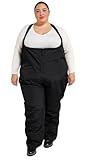


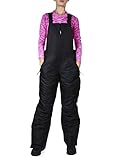
Ski bibs solve several problems at once. The bib panel keeps the waistband from digging in, the suspenders are adjustable for different torso lengths, and there’s no gap at the back when you bend and twist. For plus size bodies in particular, bibs often fit better than waistband pants. Here are the top picks that actually come in real plus sizes.
🛒 Best Price Today on Amazon
Prime members get fast, free shipping on everything above, plus member-only deals. New members get a 30-day free trial — cancel anytime.
Start 30-Day Prime Free Trial →See Today’s Amazon DealsTop Plus Size Ski Bib Pants

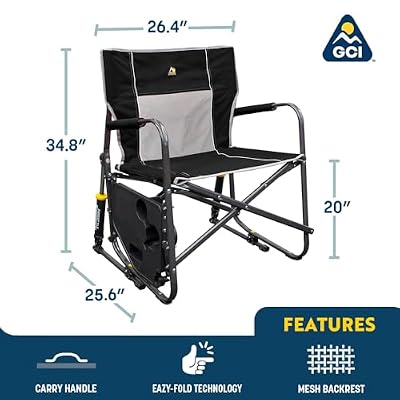
GCI Outdoor Freestyle Rocker XL with Side Table Camping Chair | Portable Folding Rocking Chair with Solid, Durable Armrests, Drink Holder & Comfortable Backrest — Black



As an Amazon Associate we earn from qualifying purchases. Product prices and availability are accurate as of the date/time indicated.

Sherpa Hiking Hydration Backpack – 22L Hiking Backpack with Water Bladder, Phone Compartment, Waterproof Zippers & Trekking Pole Holders


As an Amazon Associate we earn from qualifying purchases. Product prices and availability are accurate as of the date/time indicated.



As an Amazon Associate we earn from qualifying purchases. Product prices and availability are accurate as of the date/time indicated.
What to Look for in Plus Size Ski Bibs
Not all ski bibs marketed as “plus size” or “extended sizing” are created equal. Here’s what actually matters:
- Real size range: Look for brands that go to at least 3XL–4XL with a 44–48″ waist measurement. Check the actual measurements on the size chart — don’t trust the tag alone.
- Articulated knees: Pre-shaped knees allow full range of motion when skiing or snowboarding. Flat-panel construction restricts movement and causes leg fatigue faster.
- Waterproofing rating: 10,000mm waterproofing handles most ski conditions. For wet spring snow or all-day exposure, go for 15,000mm+.
- Adjustable suspenders: Elastic or clip-adjust suspenders are critical for fitting different torso-to-leg ratios. Wider suspenders distribute weight more comfortably.
- Reinforced scuff guards: The lower cuff takes abuse from ski edges and boot buckles. Cordura or ballistic nylon reinforcement prevents premature wear.
- Thigh vents: Zippered mesh vents on the thighs let you dump heat on long runs or sunny days without removing a layer.
Plus Size Ski Bib Sizing Guide
| Size Label | Waist Range | Hip Range | Inseam (adj.) | Notes |
|---|---|---|---|---|
| 1X / 16W | 36–38″ | 46–48″ | 28–32″ | Check brand-specific chart |
| 2X / 18W–20W | 40–42″ | 50–52″ | 28–32″ | Most “standard plus” tops out here |
| 3X / 22W–24W | 44–46″ | 54–56″ | 28–33″ | Limited brand availability |
| 4X / 26W–28W | 48–50″ | 58–60″ | 28–33″ | Specialist brands only |
| 5X / 30W+ | 52″+ | 62″+ | 29–34″ | Custom or specialty retailers |
Ski Bibs vs. Ski Pants: Which Is Better for Plus Size Skiers?
Both work, but bibs have specific advantages for plus size bodies:
Why bibs win for plus size fit: The bib panel eliminates waistband pressure entirely. There’s no band cutting into the midsection when you’re crouched in a snowboard stance or sitting in the chairlift. The adjustable suspenders let you dial in the fit regardless of your waist-to-hip ratio — crucial for plus size bodies where hips and waist proportions vary widely. And there’s no gap at the back when you fall forward or bend.
When ski pants work better: If you run hot and need to layer less underneath, pants with a waistband vent system offer more flexibility. Pants are also easier to take on and off in a ski lodge bathroom. If you’re primarily a resort skier doing short runs with lots of lodge time, the convenience of pants may outweigh the fit benefits of bibs.
For all-day mountain use, backcountry, or snowboarding where you’re constantly bending, crouching, and falling: bibs are the better call. Pair them with our picks for plus size winter coats for outdoor activities to build a complete cold-weather layering system.
Layering Under Plus Size Ski Bibs
Your base and mid layer matter as much as the bib itself. Ski bibs aren’t insulated by default — you build warmth underneath.
- Base layer: Merino wool or moisture-wicking synthetic. Avoid cotton — it holds sweat against the skin and accelerates heat loss. Size up for comfort when tucking into bibs.
- Mid layer (optional): A fleece pant or insulated underlayer adds warmth for very cold days. Most plus size skiers find bibs with a base layer sufficient for temps above 15°F.
- Socks: Ski-specific socks that reach mid-calf prevent boot rub. Wool-blend socks regulate temperature better than synthetics in ski boots.
- Boot fit: If you’re shopping for boots too, see our guide to plus size wide-width boots for fit principles that apply across winter footwear.
Waterproofing and Breathability: What the Numbers Mean
Ski bib specs include two waterproofing numbers. Here’s how to read them:
Waterproof rating (mm): This measures how much water pressure the fabric resists before leaking. 5,000mm handles light rain and dry powder. 10,000mm works for most ski conditions. 20,000mm+ is for wet, slushy spring skiing or all-day bluebird days with high sun reflectance. For plus size buyers skiing primarily groomers, 10,000mm is the practical minimum.
Breathability rating (g/m²/24h): This measures how much moisture vapor escapes through the fabric in 24 hours. Higher is better for active skiers. 5,000g is adequate; 10,000g+ reduces clamminess during hard skiing. If you run warm or are an aggressive skier, prioritize breathability alongside waterproofing.
For cold-weather layering strategy beyond the bibs, our guide to plus size snow pants for winter sports covers additional options for different activity levels.
FAQ: Plus Size Ski Bib Pants
Do ski bib pants run small for plus size bodies?
Yes — consistently. Ski and snowboard brands typically size technical outerwear 1–2 sizes smaller than regular apparel. A tagged 2XL in ski bibs often corresponds to an 18W–20W in regular clothing. Always measure your waist, hips, and inseam before purchasing and cross-reference against the brand’s actual measurement chart, not the size label.
What waist size do plus size ski bibs go up to?
Most mainstream ski brands go to 44–46″ waist (3XL). Specialty outdoor retailers and brands focused on extended sizing reach 48–52″+ (4XL–5XL). If you need a 48″+ waist, look for brands that explicitly market extended sizing — generic “plus size” labels often don’t go large enough.
Are bib pants better than regular ski pants for snowboarding?
For snowboarding specifically, bibs are almost universally preferred. Snowboarding involves more bending, crouching, and sitting in the snow than skiing. The bib panel prevents the waistband gap that exposes your lower back every time you sit down to buckle boots or stand up from a fall. For plus size snowboarders, bibs are the clear choice.
How do I adjust ski bib suspenders for the right fit?
Start with the pants fully on and ski boots buckled, then adjust suspenders so there’s no bunching at the crotch and no pulling at the shoulders. The bib panel should lie flat against your torso, not gap or pull. For wide shoulders, look for bibs with H-back or cross-back suspender configurations rather than straight-up shoulder straps.
Can I use ski bib pants for other winter sports besides skiing?
Absolutely. Ski bibs work well for snowshoeing, winter hiking, ice fishing, and any cold outdoor activity where you need waterproof leg coverage. The articulated knees and bib construction make them versatile cold-weather bottoms. For general winter outdoor use, pair them with our plus size rain jacket guide to build a fully waterproof cold-weather outfit.
Frequently Asked Questions
How should plus size ski bibs fit over base layers?
Bibs are outerwear, so measure over a base layer and a midlayer, then choose the size that matches your largest measurement, usually hips or belly. You want room to squat fully and to raise your knee onto a chairlift. Too tight compresses insulation and makes you colder, so err toward the larger size rather than a snug one.
What size range and inseam options are available?
Plus size snow bibs typically run 1X through 4X, with a few brands reaching 5X and waist measurements near 58 inches. Inseams are usually 30 to 33 inches with adjustable suspenders that add several inches of torso length. Look for a stretch panel or gusset at the back waist, which is what actually makes a bib work across different body shapes.
What waterproof rating and insulation do I need?
For resort riding, 10,000mm waterproof and 10,000g breathability is a solid baseline; 20,000mm suits wet coastal snow or deep days. Insulated bibs with 40 to 60 grams of synthetic fill work for most people, and shell bibs plus a fleece base give more flexibility. Fully taped seams matter more than the headline rating for staying dry when sitting in snow.
How do bathroom breaks work in a bib?
This is the question worth checking before buying. Look for a drop seat with a full rear zip, or a full-length side zip that runs from thigh to chest, since a short fly is not enough. Some women-specific bibs add a rear zip plus a front relief zip. Test the zip pull with gloves on in the store or at home.
How do I wash and reproof them?
Close all zippers and hook and loop tabs, then machine wash warm on gentle with a technical cleaner, not detergent. Tumble dry low to reactivate the water repellent finish. Reproof with a spray-on treatment once water stops beading, usually every 15 to 20 days of riding, and store the bibs hanging rather than compressed in a bag.
Ready to decide? Our #1 pick for 2026 is the 1X / 16W.
Live price & availability on Amazon.
Related Reviews & Guides

4 Best Plus Size Yoga Pants & Leggings for Every Body…
Quick Picks: Best Plus-Size Women’s Athletic Shorts at a…