
Last Updated: September 7, 2026
- Top Plus Size Snow Pants for 2026
- Waterproof Ratings Decoded: What You Actually Need on the Mountain
- Fit System: Why Plus Size Snow Pants Need Different Construction
- Insulation Types for Plus Size Winter Athletes
- Key Features Checklist for Plus Size Snow Pants
- Related Guides
- Frequently Asked Questions: Plus Size Snow Pants
- Related Articles

TL;DR: Plus size snow pants need 10K+ waterproof rating, sealed seams, articulated knees, and waist sizes running 18W–5X with a hip-to-waist ratio built for curvy figures. Standard athletic snow pants assume a 10–12″ hip-to-waist difference; plus size bodies often need 14–18″. Inseam length matters too — most plus options stop at 30″; taller plus size women need 32″+ or men’s sizing.
Best Plus Size Snow Pants for Winter Sports: Skiing, Snowboarding & Snow Play (2026)
Winter sports shouldn’t have a size cap. But finding plus size snow pants that actually fit curvy bodies, stay waterproof all day on the mountain, and allow full range of motion for skiing, snowboarding, or even snowshoeing is harder than it should be. This guide cuts through the limited plus size ski pant market to find what genuinely works — covering waterproof ratings, insulation types, fit systems, and the key specs heavier winter athletes need.
As an Amazon Associate we earn from qualifying purchases at no extra cost to you.


🛒 Best Price Today on Amazon
Prime members get fast, free shipping on everything above, plus member-only deals. New members get a 30-day free trial — cancel anytime.
Start 30-Day Prime Free Trial →See Today’s Amazon DealsTop Plus Size Snow Pants for 2026

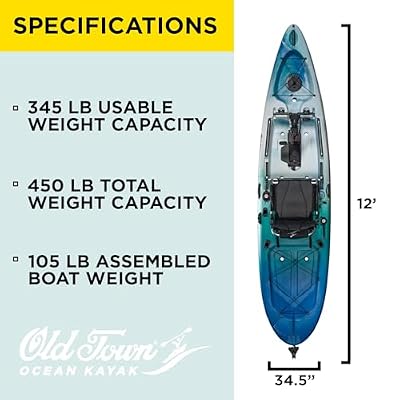
Old Town Ocean Kayak Malibu Pedal Solo Sit-on-Top Recreational Pedal Kayak, 12 ft, Horizon




As an Amazon Associate we earn from qualifying purchases. Product prices and availability are accurate as of the date/time indicated.


As an Amazon Associate we earn from qualifying purchases. Product prices and availability are accurate as of the date/time indicated.

Sherpa Hiking Hydration Backpack – 22L Hiking Backpack with Water Bladder, Phone Compartment, Waterproof Zippers & Trekking Pole Holders


As an Amazon Associate we earn from qualifying purchases. Product prices and availability are accurate as of the date/time indicated.
Waterproof Ratings Decoded: What You Actually Need on the Mountain
Waterproof ratings measure how much water pressure a fabric withstands before leaking — measured in millimeters (mm) of water column. Here’s what those numbers mean in real conditions:
| Waterproof Rating | Conditions It Handles | Suitable For |
|---|---|---|
| 5,000mm | Light snow, short exposure | Casual snow play, 1–2 hours max |
| 10,000mm | Moderate snow/sleet, kneeling in snow | Beginner skiing, snowshoeing, all-day casual |
| 15,000mm | Heavy wet snow, repeated falls | Intermediate skiing/snowboarding, full-day resort |
| 20,000mm+ | Sustained wet conditions, deep powder | Advanced skiing, backcountry, multi-day trips |
Key for plus size skiers and snowboarders: heavier bodies generate more heat, which creates more internal moisture pressure from sweat — this pushes outward through the fabric at the same time weather pushes inward. This is why breathability rating (g/m²/24hr) matters as much as waterproof rating. Look for a breathability of 10,000+ to prevent the clammy wet-from-inside feeling that ruins full-day mountain trips.
Fit System: Why Plus Size Snow Pants Need Different Construction
Standard snow pants are cut with an athletic hourglass assumption — significant waist suppression relative to hip. Plus size curvy bodies often have a straighter waist-to-hip ratio, or the reverse problem: more waist circumference with hips that aren’t proportionally larger. Here’s what to look for:
- Adjustable waistband: Internal elastic with snap or hook-and-bar adjustment. Not just a drawstring — a real waistband adjustment system that works while wearing gloves. Critical for bodies where the difference between comfortable waist and comfortable hip sizing is large.
- Suspenders/bib option: Bib pants (with attached suspenders) solve the waist-gap problem entirely — the bib holds pants up from the shoulders rather than relying on waist fit. Also prevents the gap at the back waist when bending forward (a snow entry point and cold zone). For plus size snowboarders who spend time on their knees and bending, bibs are strongly recommended.
- Articulated knees: Pre-shaped knees that angle forward to accommodate bent-knee athletic positions. Standard pants pull tight across the knee in a crouched ski stance, restricting movement and creating pressure points. Non-negotiable for any active snow sport.
- Gusset crotch: Reinforced diamond gusset at the crotch seam allows full stride without seam stress. Standard pants seams fail fastest at the crotch under heavier use — the gusset prevents this.
- Thigh circumference: Often the hidden fit issue. Plus size pants may have the waist and hip right but insufficient thigh room — check brand-specific thigh circumference specs if listed, or read reviews specifically mentioning thigh fit.
Insulation Types for Plus Size Winter Athletes
Warmth vs. mobility vs. bulk — all three factors hit differently for larger bodies. Here’s the insulation breakdown:
- Synthetic insulation (PrimaLoft, Thermoball, HeatSeeker): The practical choice for most plus size snow sports. Retains warmth when wet (sweat is a constant for active heavier athletes), dries faster than down, and is less expensive. Thickness ranges from 60g (high activity, active skiing) to 150g (cold static/lift ride use).
- Down insulation: Warmth-to-weight ratio is unmatched but loses insulating ability when wet. For plus size skiers who generate significant heat and moisture, down-insulated pants risk a wet-cold scenario mid-mountain. Only suitable with highest waterproof ratings and for colder drier climates.
- Shell only (uninsulated): Best for high-exertion activities (aggressive skiing, snowshoeing) where body heat is sufficient. Layer underneath with base layer + fleece pants. The most versatile option — works across the widest temperature range.
- Softshell: Stretchy, comfortable, moderate water resistance. Best for snowshoeing, winter hiking, or resort skiing in mild conditions. Not adequate for wet heavy snow or falls in slush.
Winter sports pair naturally with a broader cold-weather outdoor wardrobe. Check our plus size winter coat outdoor guide for jackets that coordinate with ski pants and handle mountain conditions. For all-season outdoor layer strategies, our plus size rain jacket hiking guide covers breathable outer shells that work in shoulder seasons. Post-ski recovery deserves good seating — our big and tall camping chair guide has lodge-ready options.
Key Features Checklist for Plus Size Snow Pants
Before purchasing, verify these features are present — not just implied by marketing language:
- Taped/sealed seams: “Waterproof fabric” without sealed seams still leaks at every stitch hole. Critical seam areas: inner thigh, crotch gusset, waistband junction. Look for “fully taped” or “critically taped” (high-stress areas only) seam specification.
- Boot gaiters: Inner snow gaiters at the ankle that wrap under the boot prevent snow entry from below. Essential for any deep snow activity. Check that gaiter stretch accommodates wider calf measurements.
- Reinforced cuffs: The bottom of the pant leg contacts ski boot buckles and edges all day. Standard fabric frays within a season; reinforced kick patch areas (often a separate fabric layer at the hem) extend service life significantly.
- Ventilation zippers: Thigh or inner-knee zip vents for dumping heat during high-exertion sections. Especially valuable for heavier athletes who run warmer — the ability to vent without removing the pants prevents overheating on long runs.
- Lift pass pocket: External zipper pocket on the thigh or upper left arm area specifically sized for lift pass clip. Minor feature but constantly annoying when absent.
- Hand pockets: Verify pockets have actual depth adequate for larger hands — plus size pants sometimes skimp on pocket depth to reduce fabric bulk.
Related Guides
- Quick Picks: Best Plus Size Denim Overalls for Women
- Quick Picks: Best Plus Size Palazzo Pants Wide Leg
- Plus Size Linen Wide Leg Pants Review
- Quick Picks: Best Plus Size Cargo Pants for Women Outdoor…
Frequently Asked Questions: Plus Size Snow Pants
What size snow pants should a plus size woman wear?
Measure hips (widest point), waist (natural waist, not low-hip), and inseam, then compare to the brand’s specific size chart — not generic sizing guides. Most plus size ski pant lines run 1X–3X or sizes 16W–24W, but the actual measurements vary dramatically between brands. Focus on hip measurement first since ski pants typically have some waist adjustability but limited hip flexibility. If between sizes, size up for skiing (active movement range) and size down for static snow activities.
Are bib snow pants better for plus size skiers?
For most plus size skiers, yes — bibs eliminate the waist-fit problem, prevent back exposure during falls and crouching, and provide more core warmth without a separate base layer adjustment. The main downside is bathroom logistics, which is genuinely harder with bibs (especially in gloves at a cold resort). Many plus size skiers find this tradeoff worth it for a full day on the mountain. Look for bibs with drop-seat or easy suspender-release systems to minimize that inconvenience.
How do I keep snow pants from falling down on the slopes?
If your snow pants keep sliding down despite being the right waist size, the likely culprit is the waist sitting at the wrong point — try wearing them at the natural waist rather than the low hip, and use any internal adjustment snaps or elastic fully. Suspenders attached to the waistband (available as aftermarket accessories) solve persistent sliding without switching to a full bib. Also verify your base layer isn’t silk or slippery synthetic — grippy base layers prevent the pants from sliding down over them.
Can I use regular winter pants instead of ski/snow pants?
For casual snow play (building snowmen, short walks in light snow) — yes, insulated regular winter pants work fine. For skiing, snowboarding, or any activity involving falls, speed, or prolonged snow contact — no. Ski pants have the waterproof rating, stretch articulation, reinforced seams, and boot gaiters that regular pants lack. A single wipeout in slush-covered snow will soak regular insulated pants through in minutes, leaving you cold, heavy, and miserable for the rest of the day.
How do I wash plus size snow pants without destroying the waterproofing?
Cold or warm water (never hot), gentle cycle, technical wash detergent (Nikwax Tech Wash or similar — not regular detergent which strips DWR coating). Tumble dry low heat — heat actually reactivates the DWR coating, so a brief tumble dry is better than line drying for maintaining waterproofing. Re-treat with DWR spray (Nikwax TX.Direct or Grangers) once per season or when water stops beading on the surface. Never dry clean — the solvents destroy waterproof membranes.
Round out your winter outdoor kit: plus size outdoor winter coats, plus size wide-width hiking boots for winter trails, and plus size folding wagons for hauling gear to winter sports venues.
Ready to decide? Our #1 pick for 2026 is the 5,000mm.
Live price & availability on Amazon.
Related Reviews & Guides


Plus Size Shapewear Shorts Review

Quick Picks: Best Plus Size Cargo Pants for Women