
Last Updated: September 18, 2026
- Decide These 3 Things First
- Size: Measure the Bust, Then Check the Garment Shape
- Material: Stretch Is Useful, but It Is Not a Substitute for Room
- Construction: Seams and Necklines Reveal the Real Fit
- Comfort and Performance: Judge the Dress in Motion
- Price Tiers: Pay for the Problem You Need Solved
- Returns, Warranty, Delivery, and Alterations
- Spec Checklist
- Red Flags
- FAQ
- Top Pick: POSESHE Women's Plus Size Summer Knee Length Dresses Vacation Home Empire Waist Dresses with Pockets,Wine Red Flower,2XL
- Best Value: Plus Size Dresses for Women 2026 Elegant Classy Loose V Neck Midi Wedding Guest Dress Knee Length Aline Work Dresses for Women Professional Trendy 2XL
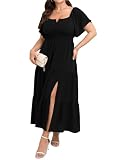
- Premium Choice: SCOMCHIC Womens Plus Size Wedding Guest Cocktail Dresses Black
Buying a plus-size dress by your usual label alone is a reliable way to end up with a tight bust, a loose waist, or armholes that restrict movement. The most common mistakes are measuring over bulky clothing, confusing body bust measurements with garment measurements, and assuming that an “A-line” cut will automatically provide enough room through the chest. Shoppers also overlook fabric recovery, bra compatibility, and whether a dress’s sizing chart lists inches or centimeters.
This plus size dress buying guide bust measurements focuses on what actually affects fit: where to measure, how much ease to allow, and which construction details make a dress comfortable rather than merely wearable. Use the same process for a $14 casual dress, a $40 wedding guest style, or a professional tape measure purchased to improve future measurements.
As an Amazon Associate we earn from qualifying purchases at no extra cost to you.



Decide These 3 Things First
- Your true bust measurement: Measure around the fullest part of your bust while wearing the bra you expect to wear with the dress. Keep the tape level across your back and comfortably snug, not tight.
- Your intended fit: Decide whether you want close-fitting, skimming, or loose. A fitted woven dress may need 2 to 4 inches of bust ease; a relaxed style may need 5 to 8 inches.
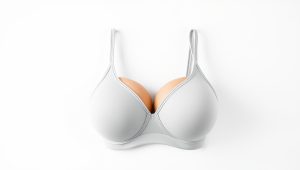
- Your bra and movement needs: Identify whether you need a standard bra, strapless bra, nursing bra, or no bra. Raise your arms, sit down, and reach forward when judging sleeves, armholes, and neckline coverage.
Size: Measure the Bust, Then Check the Garment Shape
For the most useful measurement, stand naturally and wrap a 60-inch tape around the fullest part of the bust. Do not pull the tape into the body. Record the measurement to the nearest 1/4 inch. Measure your high bust, too: place the tape under the armpits and above the fullest part of the chest. A bust-to-high-bust difference of more than 2 inches can make standard plus-size grading fit poorly, particularly in dresses with fitted bodices.
Compare your number with the seller’s chart, not a generic 2XL label. A 2XL may correspond to very different body measurements across marketplaces. If your bust falls between sizes, prioritize the bust for a woven dress and consider sizing up when the fabric has little or no stretch. For a knit dress with 5% elastane, you may be able to choose the smaller option only if the chart and reviews indicate a close fit.
Look for the garment’s actual bust measurement when available. A dress intended for a 48-inch bust might measure 50 to 52 inches across the bust, depending on the intended ease. Empire-waist designs, such as an inexpensive vacation dress priced around $13.98, can accommodate a fuller midsection but may still have a defined, restrictive chest seam. Check the bodice measurement rather than assuming the skirt’s volume solves the problem.
Material: Stretch Is Useful, but It Is Not a Substitute for Room
Fabric content predicts how forgiving the bust will be. Polyester jersey with 3% to 8% elastane usually offers useful horizontal stretch and resists wrinkles. Rayon or viscose blends can feel soft and drape well, but they may stretch during wear and require more careful washing. Woven polyester, cotton poplin, linen, and similar nonstretch fabrics need more precise measurements because they cannot expand around the chest.
Test stretch by checking whether the fabric recovers after being pulled. A fabric that expands 2 inches but stays visibly distorted is not providing dependable comfort. For a close-fitting dress, aim for approximately 10% to 15% negative ease only when the fabric has reliable stretch. For example, a 48-inch bust garment may fit closely at 43 to 46 inches if the fabric is genuinely stretchy. Do not apply that rule to woven fabric.
Also assess opacity and lining. Dark colors can still be sheer under bright light, especially at the bust where fabric is under tension. A lining that ends above the bust or a lightweight material with a thin front panel may reveal bra lines. For a wedding guest dress around $40, prioritize a lined bodice, a fabric weight that is not transparent, and care instructions you can realistically follow.
Construction: Seams and Necklines Reveal the Real Fit
Construction often matters more than the size printed on the tag. Princess seams can shape a fuller bust more smoothly than a single straight side seam. Darts should point toward, but stop about 1 inch to 2 inches before, the bust apex; darts that end directly at the fullest point can create a protruding or puckered appearance.
Inspect the armhole depth and shoulder placement. An armhole that cuts into the underarm can make the bust feel smaller even when the chest measurement is technically adequate. Wide shoulder straps of at least 1 inch generally provide better bra coverage than narrow straps. If the dress has sleeves, look for a sleeve opening with enough circumference to let you lift your arms without pulling the bodice upward.
Neckline shape changes how a dress handles bust volume. A V-neck can visually lengthen the torso, but a deep V may require a camisole, snap, or fashion tape. A scoop or square neck can offer more stable coverage, while a high crew neck may feel restrictive if the bust pushes the fabric forward. Wrap fronts are adjustable, but verify that the inner tie and overlap are long enough to prevent gaping.
Closures deserve special attention. A back zipper should lie flat rather than bow away from the body. Buttons across the bust need enough overlap that there is no visible pulling when you sit. An elastic waist is comfortable, but it should not be so tight that it pushes fabric upward into the chest.
Comfort and Performance: Judge the Dress in Motion
A dress that fits while standing can fail as soon as you move. Before removing tags, try sitting in a chair, reaching overhead, crossing your arms, and taking several steps. The bust should remain covered, the waist should stay in place, and the hem should not ride sharply upward when seated.
Allow at least 1 inch of ease at the upper arm for a sleeveless or short-sleeve style, and more for a structured sleeve. If you plan to wear a smoothing layer, add its thickness to your measurements. A bra band, camisole, or light shapewear can add 1/4 inch to 1/2 inch around the torso and change the fit of a close dress.
Consider climate and use. For summer or travel, a breathable lining, wrinkle resistance, and machine-washable care may matter more than a structured silhouette. For office wear, choose a neckline that stays secure while bending and a hem around the knee to midi range, approximately 22 to 30 inches below the waist depending on your height. For a formal event, prioritize stable straps, a lined bodice, and fabric that does not cling to every underlayer.
Price Tiers: Pay for the Problem You Need Solved
Budget plus-size dresses from about $12 to $20 can be worthwhile for casual wear, vacations, and low-risk trend testing. At this level, expect variable sizing, thin fabric, limited lining, and fewer alteration-friendly seams. A $13.98 floral empire-waist dress may offer pockets and an easy silhouette, but verify the bust chart and review photos before ordering.
The $20 to $45 range generally offers more consistent finishing, better fabric weight, and more useful details such as a lined bodice, functional pockets, or a concealed zipper. A $17.99 knee-length A-line work or wedding guest dress sits near the low end of this range, while a black cocktail dress priced around $39.99 may provide a more polished event option. Price alone does not guarantee fit, so use it as a clue rather than proof.
Above $45, you are more likely to find specialty cuts, better linings, stronger closures, and a broader size range. Spend more when the dress is for frequent workwear, a formal event, or a difficult-to-fit bust. If the only available size is still too small through the chest, a higher price will not fix the fundamental measurement problem.
Returns, Warranty, Delivery, and Alterations
Most dresses do not include a traditional warranty. Instead, check the return window, restocking charges, final-sale language, and whether worn or washed items are excluded. A practical minimum is a 14-day return period after delivery, with 30 days offering more time to test the dress carefully. Keep tags attached until you have tried it with the intended bra and shoes.
Check delivery estimates before an event. Allow at least 10 to 14 days for a standard online order and more time if the item is shipped internationally or made to order. Order earlier if you may need alterations. Common adjustments include shortening a hem by 1 to 3 inches, adding a modesty panel, or taking in the waist; correcting a bust that is too small is usually harder and more expensive.
Spec Checklist
| Spec | Budget | Mid | Premium |
|---|---|---|---|
| Typical price | $12–$20 | $20–$45 | $45+ |
| Bust ease | 3–6 inches; verify carefully | 2–5 inches, depending on cut | Chosen by fit; often 2–4 inches |
| Fabric | Polyester or basic jersey | Rayon blend, lined polyester, or stretch knit | Quality stretch, structured woven, or lined specialty fabric |
| Stretch target | 5%–8% elastane if close fitting | 3%–8% elastane or an adjustable cut | Reliable recovery with documented fiber content |
| Construction | Simple seams; inspect for pulling | Darts, princess seams, lining, or a stable closure | Shaped bodice, reinforced seams, quality zipper, and precise finishing |
| Returns | At least 14 days | Preferably 30 days | 30 days or retailer-supported exchanges |
Red Flags
- The listing gives only a size label and no bust, waist, or hip measurements.
- “Stretchy” appears in the description, but fiber content is missing.
- Reviews repeatedly mention gaping buttons, tight armholes, or sizing down in every other area to fit the bust.
- The model’s measurements are provided, but the garment measurements are not.
- The bust seam sits several inches above or below the fullest part of your chest.
- Photos show strong horizontal pulling across the bust or a zipper that does not lie flat.
- The item is final sale, has an unclear return address, or cannot arrive before your event.
FAQ
How much extra room should a plus-size dress have in the bust?
For a woven dress, start with 2 to 4 inches of ease for a lightly fitted shape and 4 to 8 inches for a relaxed shape. Stretch dresses can use less ease, but only when the fabric recovers well and the neckline does not gape.
Should I size up if my bust is larger than the size chart?
Usually, yes, especially with nonstretch fabric. Choose the size that accommodates your bust, then consider altering the waist or hem. Do not size down simply because the waist or hip measurement appears generous.
Is a 60-inch bust tape measure long enough?
Yes. A 60-inch tape is long enough for most body measurements and leaves room to wrap around a fuller bust without joining two tapes. Keep it level, measure over the bra you will wear, and record the result without pulling it tight.
Can an empire-waist dress solve a full-bust fit problem?
It can provide extra room below the bust, but the upper bodice still needs to fit. Check the bust measurement, neckline depth, seam placement, and armhole before choosing an empire waist. A generous skirt does not compensate for a restrictive chest.
Ready to decide? Our #1 pick for 2026 is the Typical price.
Live price & availability on Amazon.
Related Reviews & Guides

6 Best Plus Size A Line Formal Dresses 2026
Are Plus Size Compression Tops Worth It? An Honest Answer (2026)