Last Updated: August 30, 2026
- Top Pick: Gaiam Yoga Block – Supportive Latex-Free Eva Foam – Soft Non-Slip Surface with Beveled Edges for Yoga, Pilates, Meditation – Yoga Accessories for Stability, Balance, Deepen Stretches
- Best Value: Kenhihi Yoga Block – Unsupported Latex Eva foam – Soft non slip surface with bevel for yoga, pilates, meditation – Yoga accessories for stability, balance and deep stretching(1pack black)
- Premium Choice: Yoga Blocks 2 Pack, 9x6x3in Pilates Block, Non-Slip Foam Brick for Exercise

Plus Size Yoga Blocks: Foam vs. Cork for Bigger Bodies and How to Use Them
TL;DR — Quick Answer
Yoga blocks don’t have weight limits that most plus-size practitioners will hit — standard foam blocks hold 250–350 lbs and cork blocks hold 350–500+ lbs in typical weight-bearing poses. For plus-size yoga, the relevant factors are block density (cheap foam compresses under load), block dimensions (standard 9x6x4″ works for most, but wider blocks reduce wrist strain), and material choice (cork for standing/weight-bearing poses, foam for gentle restorative work). The Gaiam Essentials Yoga Block Set (ASIN: B0896X17S5) is the top value option: high-density EVA foam, non-slip surface, and consistent 4+ star rating across plus-size yoga reviews.
Yoga blocks are the single most useful prop for plus-size yoga practice — and the most underused. The idea that blocks are for “beginners” or “people who can’t do the pose correctly” is the kind of thinking that keeps bigger-bodied practitioners uncomfortable and potentially injured. Blocks are tools that bring the floor to you, extend your reach, support your weight, and make poses anatomically possible when your body proportions differ from the thin flexible person most yoga instruction was designed around. This guide covers material choice, size, and specific block uses for plus-size bodies.
As an Amazon Associate we earn from qualifying purchases.


🛒 Best Price Today on Amazon
Prime members get fast, free shipping on everything above, plus member-only deals. New members get a 30-day free trial — cancel anytime.
Start 30-Day Prime Free Trial →See Today’s Amazon DealsTop Picks at a Glance
BEST FOAM
Gaiam Essentials Yoga Block Set


As an Amazon Associate we earn from qualifying purchases. Product prices and availability are accurate as of the date/time indicated.
BEST CORK
Manduka Lean Cork Yoga Block (9x6x4″)
Search Amazon for “Manduka cork yoga block” for current pricing.
BEST WIDE BLOCK
Hugger Mugger Para Rubber Block (11×5.5×3.5″)
Search Amazon for “Hugger Mugger Para Rubber yoga block” for current pricing.
Foam vs. Cork Yoga Blocks for Plus-Size Practice
The material choice matters more for plus-size practitioners than for average-weight users, because the differences in compression resistance and surface grip become significant under higher loads.
Foam Yoga Blocks (EVA Foam)
Standard yoga blocks are made from EVA (ethylene-vinyl acetate) foam. The quality range is enormous — and for plus-size practitioners, quality matters more than for lighter users because cheap foam will compress and deform under body weight.
- High-density EVA (like Gaiam Essentials): Resists compression well under full body weight; the block doesn’t cave or tilt when you put your full weight through it. This is what you want.
- Budget low-density foam: Compresses significantly under weight-bearing poses, creating an unstable base. Avoid for plus-size use in any load-bearing position.
- Best for: Restorative yoga, gentle stretching, props under the back or hips in supported poses, gentle poses where you’re not putting full weight through the block
- Not ideal for: Standing poses where your full weight transfers through the block (triangle, half moon, supported warrior) — use cork for these
Cork Yoga Blocks
Cork blocks are denser, heavier, and more rigid than foam. They do not compress under weight, which makes them the superior choice for any pose where you’re putting significant load through the block.
- Load capacity: Cork does not compress under typical yoga use — even at 400+ lbs, a quality cork block maintains its shape and stability
- Surface grip: Natural cork surface provides better hand and foot grip than smooth foam, especially important when sweating
- Sustainability: Cork is a natural renewable material — a plus for eco-conscious practitioners
- Best for: Standing poses, balance poses, any use where stability under load is critical
- Trade-off: Heavier (about 1.5 lbs vs. 0.5 lbs for foam); harder surface may be less comfortable for bony contact points like the spine or ribs in restorative poses
The Two-Block Strategy
The most practical solution for plus-size yoga practice: own both. Use cork blocks for standing and weight-bearing poses; use high-density foam blocks for restorative and supported poses. The Gaiam set comes in a 2-pack, and adding a pair of cork blocks gives you a complete 4-block setup that handles every use case.
Gaiam Essentials Yoga Block Set — Full Review
As an Amazon Associate we earn from qualifying purchases. Product prices and availability are accurate as of the date/time indicated.
Full Spec Table
| Spec | Gaiam Essentials Yoga Block (Set of 2) |
|---|---|
| Material | High-density EVA foam |
| Dimensions | 9 x 6 x 4 inches (standard) |
| Weight per Block | ~0.5 lbs |
| Surface | Non-slip beveled edges |
| Colors Available | Multiple |
| Sold As | Set of 2 |
| Load Bearing | 250–300 lbs (restorative/non-full-load poses) |
| Best Use | Restorative, supported, light standing assists |
What We Like
- High-density EVA maintains shape under load better than cheap foam — multiple plus-size reviewers confirm no compression deformation
- Beveled edges are a design detail that matters — sharp block edges dig into palms and wrists; beveled edges distribute pressure more comfortably
- Set of 2 is the right starting point — most poses benefit from blocks on both sides for symmetrical support
- Gaiam is a recognized yoga brand with consistent quality across product lines
- Lightweight enough to carry easily to class or pack for travel
What to Know
- For full weight-bearing standing poses (triangle, half moon, supported warrior with hand on block), upgrade to cork for the most stable base
- EVA foam absorbs sweat and odor over time — wipe down after each use and air dry; replace annually if used daily
- Standard 9x6x4″ dimensions work for most bodies; if you have very large hands or find the standard block too narrow, look at the Hugger Mugger wider-format block
How Plus-Size Bodies Use Yoga Blocks Differently
Yoga blocks solve specific biomechanical problems that plus-size bodies encounter more frequently. Here’s how to use them for maximum benefit.
Reach Extension in Forward Folds
In standing forward fold, if your belly prevents your hands from reaching the floor, blocks bring the floor to you. Place blocks on their highest setting (4-inch height) directly below your shoulders. This allows full spinal decompression benefits of the pose without the strain of reaching past your belly. Lower the block height as your flexibility increases — no rush, no judgment.
Hip Support in Seated Poses
In cross-legged seated positions, tight hip flexors (very common in plus-size bodies that spend more time seated) cause the pelvis to tuck under, rounding the lower back. Sitting on a block (or folded blanket) tilts the pelvis forward to its neutral position, making upright seated poses actually comfortable rather than a painful struggle. Use the block on its lowest setting (2-inch height) under the sit bones.
Knee Support in Low Lunge
Low lunge and crescent pose require the back knee to hover or rest on the mat. For plus-size practitioners, the body weight distribution can make the back knee uncomfortable on a standard mat. Place a block under the back knee (on its lowest setting) to cushion and support the joint. Alternatively, stack two blocks for elevated knee support in deep lunge positions. Pair with a thick yoga mat for additional cushioning at every contact point.
Balance Assistance in Standing Poses
In triangle pose, extended side angle, and half moon pose, a block under the lower hand transforms a strain-producing reach into a supported, beneficial stretch. For plus-size practitioners, this is especially important because the belly and chest may shift the center of gravity differently than the pose assumes. Using a cork block for these standing balance poses gives a stable, non-compressing base that doesn’t wobble.
Restorative Chest Opener
For a restorative chest opener (supported fish pose), place one block on medium height (3 inches) under the shoulder blades and one block on lowest height (2 inches) under the head. This creates an arched, open-chest position that counteracts forward posture from sitting and desk work. For plus-size bodies, the blocks need to be positioned slightly wider apart than average instruction suggests — experiment to find the shoulder blade contact points.
Yoga Block Safety for Plus-Size Practitioners
A few safety considerations that are specifically relevant for plus-size yoga block use:
- Always use blocks on a non-slip surface: Blocks on hardwood floors can slide under load. Use blocks on a yoga mat, or wrap the base of the block with a grippy mat section.
- Test stability before committing weight: Press down on the block with your hand before putting body weight through it. If it tilts or slides, reposition before proceeding.
- Two blocks = better stability than one: For any pose using hand blocks near the floor, use two blocks for bilateral support rather than reaching to one side only.
- Avoid stacking blocks for full weight-bearing: Stacked blocks are much less stable than a single block on its tall setting. For extra height, use a bolster instead of stacked blocks.
Frequently Asked Questions
Do yoga blocks have a weight limit?
Technically yes, but in practice most plus-size practitioners won’t hit the limit in typical use. High-density foam blocks hold 250–350 lbs in non-full-load positions (seated on block, block under back, hand assist). Cork blocks hold 350–500+ lbs. The more relevant question is compression — cheap foam compresses and becomes unstable under load, while high-density EVA and cork maintain their shape. For any pose where significant body weight transfers through the block, use cork.
Are cork yoga blocks worth the extra cost for plus-size practitioners?
Yes, for standing and balance poses specifically. The stability difference under load is significant — a cork block under your hand in triangle pose feels like a solid floor; a cheap foam block feels like it might tilt. If you’re only doing restorative and seated yoga, high-density foam is sufficient and more comfortable. If your practice includes any standing work, add at least one pair of cork blocks to your kit.
What size yoga block is best for plus-size bodies?
Standard 9x6x4 inches works for most plus-size practitioners. Larger-format blocks (like the Hugger Mugger 11×5.5×3.5″) are helpful for people with very large hands or who find the standard block width creates wrist strain. Taller blocks (4-inch height on the tall setting) provide more reach extension for practitioners with limited forward fold range. In general, start with the standard size and assess from there.
How many yoga blocks do I need?
Two is the minimum practical number — most poses benefit from bilateral support, and instructors who say “grab a block” typically mean two. Four blocks (2 foam + 2 cork) give you a complete setup for both restorative and standing practice. If you can only start with one, make it a cork block for maximum versatility across pose types.
Can I use yoga blocks if I’m a complete beginner?
Blocks are especially valuable for beginners — regardless of size. They allow you to do poses with correct alignment from day one rather than compensating with poor form while reaching for the floor. Plus-size yoga beginners should consider blocks essential, not optional. Many experienced plus-size practitioners use blocks permanently in certain poses — it’s not a sign of limitation, it’s intelligent use of available tools.
Related Guides
- Plus Size Yoga Mat (Extra Thick) — the foundation of a plus-size-friendly yoga setup
- Plus Size Yoga Pants and Leggings — comfortable, non-restrictive bottoms for full range of motion
- Plus Size Compression Socks — circulation support for active yoga practice and recovery
- Plus Size Walking Pad / Treadmill — low-impact cardio that complements a yoga practice
Ready to decide? Our #1 pick for 2026 is the Material.
Live price & availability on Amazon.
Related Reviews & Guides
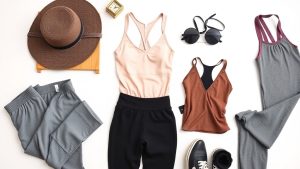
11 Best Plus Size Yoga Clothes: Leggings, Tops and Sets
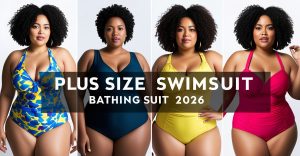
Quick Picks: Best Plus Size Swimsuits for Summer 2026