
Last Updated: September 7, 2026
Top Choose Plus Size Bra Complete Picks for 2026
Here are our current top choose plus size bra complete picks, compared on real Amazon owner reviews, price, and features. Live prices update below.
As an Amazon Associate we earn from qualifying purchases at no extra cost to you.


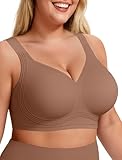


How to Choose a Plus Size Bra: Complete Buying Guide (2026)
For anyone in the plus-size community, finding the perfect bra isn’t just about comfort – it’s about confidence, support, and overall well-being. A well-fitting bra can transform your silhouette, alleviate back and shoulder pain, and make even the most basic outfit feel elevated. Unfortunately, the world of plus-size bras can sometimes feel overwhelming, with a vast array of styles, features, and sizing complexities that can leave many feeling frustrated. The right bra can be a game-changer, providing the essential foundation for your wardrobe and empowering you to feel your best every single day.
This comprehensive guide is designed to demystify the process of selecting the ideal plus-size bra. We’ll delve into the different types of bras available, highlight the crucial features to consider, discuss pricing, and help you steer clear of common pitfalls. Whether you’re a seasoned bra shopper or embarking on this journey for the first time, our goal is to equip you with the knowledge and confidence to make informed decisions and find the bra that truly supports and celebrates your unique shape.
Types of Plus Size Bras
Understanding the various types of bras available is the first step toward finding your perfect fit. Each style is designed with specific needs and occasions in mind, offering different levels of support, coverage, and aesthetic appeal. Exploring these categories will help you identify which bra types are best suited to your lifestyle and personal preferences.
Full Coverage Bras
Full coverage bras are designed to encapsulate the entire breast, offering maximum support and minimizing spillage. They typically feature wider straps and a more substantial band, making them ideal for larger busts and for everyday wear, especially when you need reliable support throughout the day. These bras are excellent for providing a smooth silhouette under clothing and are often preferred by those seeking significant lift and containment.
Minimizer Bras
Minimizer bras are engineered to redistribute breast tissue, creating a smoother, more streamlined profile. They don’t actually reduce breast size but rather spread the tissue outward and upward, which can be beneficial for those who find their bust size makes certain clothing styles difficult to wear. These are a fantastic option for those who want to reduce the appearance of their bust without sacrificing comfort or support, particularly under fitted tops or blouses.
Sports Bras
For any physical activity, a high-quality sports bra is non-negotiable. Plus-size sports bras are specifically designed to offer superior support and reduce bounce during exercise, ranging from low-impact activities like yoga to high-impact pursuits like running. They often feature moisture-wicking fabrics and compression or encapsulation styles to keep you comfortable and secure during your workouts.
Bralettes
Bralettes offer a softer, more relaxed approach to support, often without underwires or significant padding. They are typically made from lace, cotton, or other comfortable fabrics and are ideal for lounging, sleepwear, or as a stylish layering piece under sheer tops. While they offer less structured support than traditional bras, they can be a comfortable and fashionable choice for lighter days or for those who prioritize comfort above all else.
Push-Up Bras
Push-up bras are designed to lift and enhance the bust, creating cleavage and a fuller appearance. While often associated with smaller busts, plus-size versions are available and can be a great option for those who want to add a little extra oomph for special occasions or to complement certain outfits. They typically feature padding and angled cups to achieve the desired lift.
T-Shirt Bras
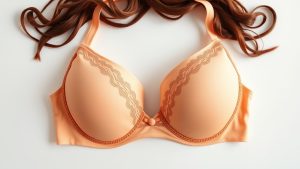
T-shirt bras are characterized by their seamless, molded cups that create a smooth, invisible line under form-fitting clothing, including t-shirts. They offer a comfortable, everyday level of support and are designed to be discreet. For plus-size individuals, a well-constructed T-shirt bra provides a smooth foundation without digging or showing through lighter fabrics.
Strapless/Convertible Bras
Strapless and convertible bras offer versatility for outfits with off-the-shoulder or asymmetrical necklines. Plus-size strapless bras are engineered with wider bands and stronger boning to ensure they stay in place and provide adequate support without straps. Convertible bras offer multiple strap configurations, allowing them to be worn in various styles, making them a valuable addition to any wardrobe.
Key Features to Look For
Beyond the style of bra, several key features contribute significantly to comfort, support, and longevity. Paying attention to these details can make the difference between a bra you tolerate and one you absolutely love.
Band Width and Construction
The band is the primary support system of a bra. For plus-size bras, a wider band (typically 2 inches or more) provides better weight distribution and prevents digging into the skin. Look for bands with multiple hooks and eyes to allow for adjustment as the bra stretches over time and to ensure a snug, comfortable fit around your ribcage.
Strap Design and Adjustability
Wide, padded straps are crucial for plus-size bras as they help distribute weight evenly across your shoulders, preventing discomfort and red marks. Ensure the straps are fully adjustable to achieve the perfect lift and support. Some bras feature wider, cushioned straps that further enhance comfort for all-day wear.
Cup Shape and Coverage
The cup should fully encapsulate the breast without gaping or spillage. For plus sizes, a deeper, more rounded cup often provides better containment and shape. Consider the seam placement; seams can offer shaping and lift, but smooth, seamless cups are ideal for a sleek look under fitted clothing.
Underwire Strength and Comfort
If you prefer underwire bras, ensure the underwire is flexible and encased in soft fabric. It should follow the natural curve of your breast without digging into your skin or poking out. Some plus-size bras offer a “comfort wire” or a more flexible construction for added ease.
Fabric and Breathability
Opt for bras made from breathable, moisture-wicking fabrics like cotton blends or specialized performance materials. This is especially important for comfort, preventing irritation, and managing body temperature throughout the day. The fabric should also feel soft against the skin.
Closure Type and Number of Hooks
A bra with multiple hooks and eyes (typically 3 or 4 for larger band sizes) offers a more secure and adjustable fit. This allows you to tighten the band as it naturally stretches over time, extending the life of the bra and maintaining optimal support.
Side Support and Smoothing
Many plus-size bras incorporate side panels or firmer fabric along the sides of the cups to provide extra support and prevent outward bulges. This feature helps to create a smoother, more streamlined silhouette under clothing.
How Much Should You Spend?
The price of a plus-size bra can vary significantly, and understanding what to expect at different price points can help you make a worthwhile investment. It’s important to remember that a higher price doesn’t always guarantee a better fit, but it often reflects higher quality materials, more robust construction, and specialized design features.
Budget-Friendly ($20
At this price point, you can find functional and comfortable bras, often from well-known mass-market brands. These bras typically offer basic support and coverage suitable for everyday wear. While they might not have the most advanced features or the most luxurious fabrics, they can be a good starting point for finding a decent fit. Look for basic styles like full coverage or t-shirt bras. Durability may be a consideration, so inspecting them for sturdy construction is advised.
Mid-Range ($40
In this tier, you’ll find bras made with higher-quality materials, better construction, and more thoughtful design features. Brands in this range often specialize in plus-size lingerie, offering a wider variety of styles, better support structures, and improved comfort. You can expect more durable fabrics, wider and more comfortable straps, and better-engineered bands and cups that provide superior lift and shaping.
Premium/Specialty
This price range typically includes bras from high-end lingerie brands or those with specialized features for extreme support or specific needs. These bras often use premium fabrics, advanced construction techniques, and innovative designs to offer unparalleled comfort, support, and longevity. They are designed to last longer and provide the best possible fit, especially for those with very large busts or specific fit challenges. This is where you’ll find the most advanced minimizing features, superior encapsulation for sports bras, or the most luxurious materials.
Common Mistakes to Avoid
Navigating the world of plus-size bras can be tricky, and it’s easy to fall into common traps. Being aware of these pitfalls can save you time, money, and discomfort.
Buying the Same Size as Always
Body shapes and sizes can change, and bra sizing can vary between brands. Always get measured, ideally by a professional, or use a reliable measuring guide. Don’t assume your size is constant, and be prepared to try different sizes and styles.
Prioritizing Style Over Support
While aesthetics are important, a beautiful bra that doesn’t offer adequate support is ultimately a disservice. For plus-size individuals, support is paramount for comfort and preventing strain. Always ensure the bra provides the necessary lift and containment for your needs.
Ignoring the Band Fit
Many women incorrectly focus on the cup size and forget that the band provides around 80% of a bra’s support. If the band rides up your back, it’s too loose. If it digs in or you can’t comfortably fit two fingers underneath, it’s too tight. A properly fitted band is crucial.
Not Trying On or Measuring Regularly
Body fluctuations, wear and tear, and even changes in fabric can affect how a bra fits. Make it a habit to try on new bras before purchasing and to get re-measured periodically. Even if you know your size, the fit of different styles and brands can vary.
Overlooking Specialty Plus-Size Brands
While many mainstream brands offer plus-size options, dedicated plus-size lingerie companies often have a deeper understanding of the unique support and fit requirements for larger busts. Exploring these specialized brands can lead to finding bras that are designed with your needs in mind.
Frequently Asked Questions
Q: How often should I replace my plus-size bras?
A: Generally, a well-cared-for plus-size bra should be replaced every 6 to 12 months, depending on wear frequency and material quality. Signs it’s time for a replacement include stretched-out bands, worn-out straps, loss of elasticity, and a decrease in support. Frequent washing and proper drying (air drying is best) can extend the life of your bras.
Q: What is the best way to measure for a plus-size bra?
A: The most accurate way is to get professionally measured. If that’s not possible, you can measure yourself at home. First, measure around your ribcage directly under your bust (snug fit) for your band size. Then, measure around the fullest part of your bust for your cup size. The difference between these two measurements will determine your cup size (e.g., a 4-inch difference often indicates a D cup). Always consult a brand’s specific sizing chart, as they can vary.
Q: Are underwire bras necessary for plus-size support?
A: Not necessarily. While underwire bras can provide excellent structure and lift for many, especially those with larger busts, there are many well-constructed, wire-free bras that offer significant support. These often feature wider bands, stronger side support, and more robust cup construction. The best choice depends on personal preference and the level of support you require.
Q: How do I know if my plus-size bra is providing enough support?
A: Signs of adequate support include: the band staying firmly in place (not riding up), the cups fully encapsulating your breasts without spillage or gaping, the straps staying put and not digging in, and a general feeling of comfort and lift without pain or discomfort. If you experience shoulder or back pain that you attribute to your bra, it’s likely not providing sufficient support.
Q: What’s the difference between compression and encapsulation sports bras for plus sizes?
A: Compression sports bras work by pressing the breasts flat against the chest wall to reduce bounce. Encapsulation sports bras, on the other hand, have individual cups that support each breast separately, similar to a regular bra. For plus-size individuals, encapsulation sports bras often provide superior support and comfort for high-impact activities, as they offer more lift and definition.
Final Thoughts
Finding the right plus-size bra is an investment in your comfort, confidence, and overall well-being. By understanding the different bra types, prioritizing key features like band width and strap design, and being mindful of common mistakes, you can navigate the market with greater ease. Don’t be discouraged if it takes a few tries to find your perfect fit – the search is worth it. Armed with this knowledge, you’re well-equipped to discover bras that not only fit beautifully but also make you feel amazing, inside and out.
Recommended Plus Size Bra Guides
- Best Levi’S Plus Size Jeans For Women 2026
- Best Winter Long Coat For Women Plus Size 2026
- Best Plus Size Shapewear For Women 2026
- Best Shapewear For Plus Size Ladies 2026
- Best Shapewear For Plus Size Woman 2026
Related Reviews & Guides
6 Best Plus Size Xmas Pajamas 2026
6 Best Maternity Pants Plus Sizes 2026