
Last Updated: September 18, 2026
- Decide These 3 Things First
- Size: Measure the Pocket Area, Not Just the Waist
- Material: Stretch Changes How Placement Looks
- Construction: Check Stitching, Angles, and Pocket Bags
- Comfort and Performance: Test Pockets While Sitting
- Price Tiers: Pay for Useful Features
- Warranty and Returns: Fit Protection Matters More Than a Warranty
- Delivery and Assembly: Verify What Arrives
- Spec Checklist
- Red Flags
- FAQ
- Top Pick: Woman Within Perfect Relaxed All-Cotton Denim Five-Pocket Jeans
- Best Value: No nonsense Women's Classic Denim Leggings with Real Back Pockets, Elastic Waist, High Waisted – Stretchy & Trendy Jeans – Grey – X-Large
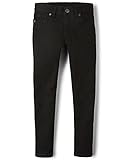
- Premium Choice: The Children's Place Girls' Basic Super Skinny Jeans BLACK WASH 14 Plus
Choosing plus size jeans is often treated as a waist-and-inseam problem, but pocket placement can change the entire look and feel of a pair. A pocket that sits too low may visually lengthen the seat; one that is too close to the center seam can make the back look narrower; a small, shallow pocket may also be frustrating if you carry a phone or keys.
The most common mistake is judging pockets while the jeans are lying flat or by looking only at the model photo. Denim stretches, bodies move, and pocket dimensions vary considerably between brands. Another mistake is assuming that “real pockets” automatically means useful pockets. A back pocket can be stitched on securely yet still be too narrow for a modern smartphone.
As an Amazon Associate we earn from qualifying purchases at no extra cost to you.



This guide explains how to choose plus size jeans pocket placement by looking at proportion, construction, comfort, and value. Use it to compare everyday five-pocket jeans, pull-on styles, and stretch denim in 2026 without relying on appearance alone.
Decide These 3 Things First
- What should the pockets do? If you need storage, prioritize front pockets with at least a 6-inch opening and back pockets approximately 6 to 8 inches wide. If the pockets are mainly decorative, placement and stitching matter more than capacity.
- What visual effect do you prefer? Pockets placed slightly wider apart and higher on the seat can create a more lifted, balanced appearance. Closely spaced or very low pockets can draw attention toward the center or lower seat.
- How much stretch and structure do you want? A flexible pull-on jean may be easier to wear, while a structured cotton denim jean generally holds pocket shape better. Decide whether all-day ease or a traditional jean silhouette is the priority.
Size: Measure the Pocket Area, Not Just the Waist
Start with your body measurements, then compare them with the garment’s size chart. Measure your natural waist, fullest hip, and preferred inseam while standing normally. For plus sizes, a 1-inch difference in hip ease can noticeably affect how the rear pockets sit.
Look for approximately 2 to 4 inches of ease through the hip in rigid or mostly cotton denim. Stretch denim may need less excess room, often about 1 to 2 inches, because the fabric expands with movement. Too much ease can cause back pockets to sag away from the body; too little can pull the pocket corners outward and create horizontal strain lines.
Useful pocket measurements include:
- Back pocket width: about 6 to 8 inches for a practical plus size pocket.
- Back pocket height: roughly 7 to 9 inches, depending on the rise and style.
- Front-pocket opening: approximately 6 to 8 inches for comfortable hand access.
- Rise: around 10 to 13 inches for many mid- to high-rise plus size jeans, though the best number depends on torso length.
Check where the pocket begins relative to the waistband and center back seam. Pockets that start about 2 to 3 inches below the waistband often look more intentional than pockets placed directly against it. The exact spacing should remain symmetrical and follow the body’s curve rather than sitting at an angle.
Material: Stretch Changes How Placement Looks
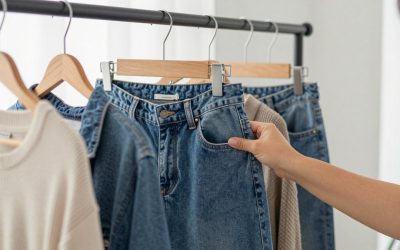
Fabric content affects both pocket shape and long-term fit. All-cotton denim offers a traditional, structured feel and can keep a clean pocket outline, but it may require more break-in time. The Woman Within Perfect Relaxed All-Cotton Denim Five-Pocket Jeans, listed at $35.99, represent this category: a straightforward option for shoppers who prefer classic denim rather than a legging-like feel.
For stretch jeans, a blend with approximately 1% to 3% elastane or spandex usually provides noticeable flexibility without making the fabric feel extremely soft. Higher-stretch styles can be easier for sitting, bending, and walking, but the pocket may flatten or flare as the fabric moves. Examine the pocket corners when the jeans are relaxed and when the seat is gently stretched.
Thin denim can make pocket bags visible through the front, especially when the pocket lining is a contrasting color. A pocket bag made from lightweight cotton or polyester may reduce bulk, but it should still be large enough to sit flat. If the listing does not state the fiber content or show the inside of the pocket, treat that as missing information rather than assuming the material is premium.
Construction: Check Stitching, Angles, and Pocket Bags
Good placement starts with accurate construction. The two back pockets should be level with each other, similarly sized, and positioned at matching distances from the center seam. Slightly angled top edges can be flattering, but an angle should be deliberate and consistent on both sides.
Inspect product photos for:
- Reinforced corners: bar tacks or dense stitching at the upper corners help prevent tearing.
- Even topstitching: two rows of stitching or a clearly finished edge are preferable to a single loose-looking seam.
- Secure pocket bags: front pocket lining should be attached to the waistband and side seam, not left to pull into the leg.
- Functional openings: a decorative back flap or faux welt is not a substitute for a usable pocket.
For a phone, measure the usable interior rather than the outside patch. A pocket that is 7 inches wide externally may have only 5.5 inches of usable space after seam allowances. As a general target, look for at least 6 inches of usable width and 7 inches of usable depth if you want to carry a phone securely. Avoid placing a heavy wallet in a pocket that is visibly tilted; weight can exaggerate the angle.
Comfort and Performance: Test Pockets While Sitting
Pocket placement that looks attractive standing can feel uncomfortable at a desk or in a car. Sit for at least 5 minutes if trying jeans on at home. The back-pocket edge should not press sharply into the seat, and the pocket bag should not fold into a thick ridge.
High-rise jeans can place the top of the back pockets closer to the waistline, which may feel secure but can also create pressure when bending. Mid-rise styles may offer more space between the waistband and pocket, while pull-on designs often use fewer traditional seams. The Chic Classic Collection Women’s Plus Size Cotton Pull-On Pant with Elastic Waist in Original Stonewash Denim, 22 Plus Petite, priced at $18.99, illustrates the pull-on approach. It may appeal to shoppers who prioritize an elastic waist and petite length over classic five-pocket construction.
Walk, sit, climb stairs, and bend at the knees. Watch for pockets that gap, twist, or pull diagonally. A good fit keeps the pocket opening mostly flat during movement. If the pocket flares open when you stand normally, the hip area may be too tight. If the entire pocket shifts toward the side seam, the jeans may be too loose or the cut may not match your proportions.
Price Tiers: Pay for Useful Features
Budget plus size jeans generally cost about $10 to $25. At this level, expect simpler hardware, thinner fabric, fewer inseam choices, and less detailed pocket finishing. The Children’s Place Girls’ Basic Super Skinny Jeans Black Wash 14 Plus are listed at $17.18, but a children’s plus size cut should not be used as a direct substitute for adult proportions. Compare rise, hip shape, and pocket dimensions rather than relying on the size label.
Midrange jeans usually fall between $25 and $60. This is where shoppers are most likely to find a broader size range, multiple inseams, better pocket bags, and more consistent topstitching. The Woman Within example at $35.99 sits within this practical everyday range.
Prices above $60 may reflect heavier denim, specialized washes, premium hardware, extended sizing, or more careful pattern development. Higher cost does not guarantee better pocket placement. Before paying a premium, confirm that the listing provides garment measurements, fabric content, return terms, and clear photos of the back.
The No nonsense Women’s Classic Denim Leggings with Real Back Pockets are listed at $5.96. A price this low may be attractive for casual use, but check whether the pockets are deep enough, whether the fabric is opaque, and whether the elastic waist provides enough support. Low price is useful only when the garment still meets your fit and function needs.
Warranty and Returns: Fit Protection Matters More Than a Warranty
Most jeans do not have a traditional warranty against ordinary wear, so the return policy is more important. Look for a return window of at least 30 days, with clear rules about tags, washing, and return shipping. Try jeans on before removing tags or laundering them.
Read the policy for exclusions involving clearance, final sale, and worn garments. If you are between sizes or unsure about pocket placement, a free-return policy can be worth more than a small discount. Keep the packaging and order confirmation until you have checked the rise, inseam, pocket depth, and comfort while seated.
Also look for care instructions. Washing denim in cold water and avoiding high-heat drying can help reduce shrinkage and preserve pocket alignment. All-cotton jeans may change more after washing than stretch styles, so do not judge the final fit solely from a brief try-on.
Delivery and Assembly: Verify What Arrives
Jeans require no assembly, but delivery details still affect buying risk. Confirm the selected size, inseam, color, and “plus” designation before completing the order. A petite, tall, women’s plus, and girls’ plus listing may appear near each other in search results while using very different proportions.
Allow time for exchanges if the jeans are needed for an event. A useful buffer is 7 to 14 days beyond the promised delivery date, particularly when ordering multiple sizes. On arrival, compare both legs for consistent inseams, check that the back pockets are level, and inspect the stitching before removing tags.
Spec Checklist
| Spec | Budget | Mid | Premium |
|---|---|---|---|
| Typical price | $10–$25 | $25–$60 | $60–$120+ |
| Back-pocket width | 5.5–7 inches | 6–8 inches | 6.5–8.5 inches |
| Usable pocket depth | 6–7 inches | 7–8 inches | 7–9 inches |
| Front-pocket opening | 5.5–7 inches | 6–8 inches | 6.5–8 inches |
| Fabric expectation | Light to medium denim; stretch blends common | Medium denim; about 1%–3% stretch common | Heavier or specially finished denim; fiber content should be clearly stated |
| Return target | At least 30 days | 30–60 days preferred | 60 days or more preferred |
Red Flags
- Back pockets are shown only from a distance or covered by a shirt.
- The listing says “pockets” without clarifying whether they are functional.
- There are no garment measurements for the hip, rise, inseam, or pocket area.
- Pocket corners visibly pull outward on the model.
- The two back pockets are different heights or noticeably different sizes.
- The return policy is unclear, final sale, or excludes the selected size.
- The fabric percentage, care instructions, and closure type are omitted.
FAQ
Should plus size jeans have larger back pockets?
Not necessarily, but proportional pockets usually look and function better. A practical target is about 6 to 8 inches wide and 7 to 9 inches deep, provided the pocket does not extend so low that it distorts the seat.
Where should back pockets sit on plus size jeans?
They should be level with each other, centered over the fullest part of the seat, and positioned high enough to avoid a drooping appearance. Exact placement depends on rise and body shape, so judge the jeans while standing and sitting.
Are pull-on jeans better for pocket placement?
They can be more comfortable because an elastic waistband reduces pressure, but they may have simplified or faux front pockets. Confirm that the back pockets are functional and that the waistband does not pull them upward or sideways.
How can I tell if a pocket will fit my phone?
Measure your phone, including its case, and compare that number with the usable pocket depth and width. For many phones, at least 6 inches of usable width and 7 inches of depth is a sensible starting point. Test the pocket while walking and sitting to make sure the phone stays secure.
Ready to decide? Our #1 pick for 2026 is the Typical price.
Live price & availability on Amazon.
Related Reviews & Guides

11 Best Plus Size Jewelry and Accessories: Statement Pieces for Every Style

Plus Size Loungewear