
Last Updated: September 18, 2026
The Short Answer
To find what size plus size sports bra you need, start with two measurements: your underbust (snugly around your rib cage, directly beneath your breasts) and your fullest bust measurement. Compare both numbers—not just your usual T-shirt, dress, or bra size—to the brand’s size chart.
For the most supportive fit, the band should feel firm and level around your torso without digging in, rolling up, or restricting a full breath. The cups should fully contain breast tissue without spilling over the top or sides, while the straps should stay put without carrying all the weight. If you are between sizes, choose based on your activity: size down only when the fabric is very stretchy and you need low-to-medium-impact support; size up when you need more cup room, are between cup ranges, or prefer a less compressive fit.
As an Amazon Associate we earn from qualifying purchases at no extra cost to you.


Plus size sports bras are commonly sold in 1X through 5X or 6X, numerical sizes such as 16W through 32W, band-and-cup sizes such as 40DD or 44G, or a combination of these systems. There is no universal conversion between brands, so treat the chart below as a useful starting point and check the measurements listed by the individual manufacturer before ordering in 2026.
Standard Sizes
Many pull-on and wireless plus size sports bras use alpha sizing rather than individual cup sizes. The ranges below reflect common U.S. sizing conventions for stretch sports bras, but each brand may vary by 1 to 3 inches. Measure in inches for the closest match, then use centimeters if that is your preferred unit.
| Common Size | Approx. U.S. Clothing Size | Underbust / Band | Full Bust | Typical Bra-Size Starting Point |
|---|---|---|---|---|
| XL | 14–16 | 36–40 in (91–102 cm) | 43–46 in (109–117 cm) | 36D–40DD |
| 1X | 16W–18W | 40–44 in (102–112 cm) | 46–49 in (117–124 cm) | 40DD–44DDD/F |
| 2X | 20W–22W | 44–48 in (112–122 cm) | 49–53 in (124–135 cm) | 44DDD/F–48G |
| 3X | 24W–26W | 48–52 in (122–132 cm) | 53–57 in (135–145 cm) | 48G–52H |
| 4X | 28W–30W | 52–56 in (132–142 cm) | 57–61 in (145–155 cm) | 52H–56I |
| 5X | 32W–34W | 56–60 in (142–152 cm) | 61–65 in (155–165 cm) | 56I–60J |
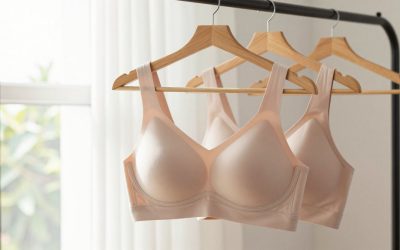
If a brand offers band-and-cup sizing, use it whenever possible for running, HIIT, dance, court sports, or other high-impact movement. Alpha-sized bras can work very well for walking, yoga, strength training, lounging, and moderate activity, especially when they have adjustable straps, a wide underband, and a supportive inner sling.
How to Measure Your Space
Your sports bra needs to fit the space around your rib cage and the volume at your bust—not the size printed on an older bra. Wear an unpadded bra or a thin, fitted top while measuring. A soft sewing tape measure is best; if you do not have one, wrap a string around your body and measure the string with a ruler.
- Measure your underbust. Stand upright with your arms relaxed. Wrap the tape directly below your breast tissue, keeping it parallel to the floor. Pull it snug enough that it does not slide down, but do not hold your breath or compress your ribs. Record the number in inches and centimeters.
- Measure your fullest bust. Place the tape around the fullest part of your bust, usually across the nipples. Keep it level and comfortably loose enough not to flatten tissue. Record this number.
- Check your current bra fit. If your usual bra’s band rides up your back, it is likely too large or too stretched out. If you have side spill, top spill, or your breasts escape below the band during movement, you likely need more cup capacity or a larger overall size.
- Compare both measurements to the product chart. Do not choose a size based on clothing size alone. When your underbust fits one size but your bust fits the next size up, prioritize the larger bust range for pull-on styles. For adjustable-hook bras, choose the band nearest your underbust and the cup that accommodates the fuller measurement.
- Do a movement check at home. Raise both arms, twist, bend forward, and do 10 gentle jumps or marching steps. The band should remain anchored, the neckline should stay close to the chest, and you should not need to tug the bra back into place.
By Room or Use Case
Walking, errands, and everyday wear
For low-impact use, comfort comes first. Look for a wide, soft underband, wireless construction, breathable cotton or moisture-wicking knit, and straps at least 0.75 to 1.5 inches wide. A light-to-medium compression bra is usually enough for walks and daily wear. Multi-packs such as wireless cotton tank-style bras can be practical for rotation; budget-friendly multi-packs often start around $19.99. Choose the larger size if you dislike compression, sit for long periods, or experience breast tenderness.
Yoga, Pilates, and strength training
For controlled movement, choose medium support with good coverage and low chafing. A racerback can keep straps from slipping during overhead presses, while removable pads can provide modesty if you prefer them. For yoga, avoid an excessively tight band that makes deep breathing uncomfortable. For strength workouts, prioritize a bra that stays in place during bends, rows, and floor exercises. Adjustable sports bras in this category commonly cost about $24 to $32.
Running, HIIT, and high-impact workouts
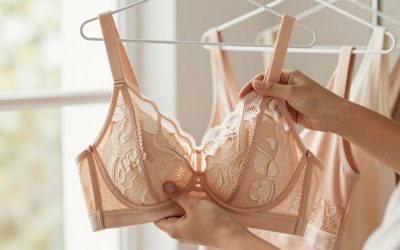
High-impact activity calls for the most structured option you can comfortably wear. Seek encapsulation cups, compression panels, a tall center front, a wide band, adjustable straps, and ideally a hook-and-eye back closure. Encapsulation separates and supports each breast; compression holds the bust close to the chest. Many full-bust wearers prefer a combination of both. If you are between sizes, do not automatically size down for “extra support”: a too-small bra can cause painful digging, restricted breathing, and spillover. Instead, look for firmer fabrics and more adjustability.
Large bust or fuller cup needs
If you regularly wear a DD cup or larger, pay close attention to cup depth rather than relying on 1X, 2X, or 3X alone. A bra can fit your torso while still being too shallow at the bust. Signs you need more cup room include a flattened shape, cleavage spilling over the neckline, side bulges near the armholes, or a center panel that will not sit close to your chest. Supportive large-bust options often fall around $23 to $35, with adjustable styles usually toward the upper end of that range.
Common Sizing Mistakes
- Buying the same size in every brand. A 2X in one label may have a 44-inch underbust range, while another may begin at 48 inches. Always compare your measurements with the product chart.
- Using only clothing size. Two people who wear a 22W can have very different band and bust measurements. Clothing size cannot reliably predict sports bra cup volume.
- Choosing a too-large band for comfort. Most support comes from the underband. If it rides up between your shoulder blades, slides during exercise, or shifts when you lift your arms, it is too loose.
- Choosing a too-small bra for support. Excessive compression can create breast spillage, chafing, numbness, shoulder pain, and difficult breathing. Secure should not mean painful.
- Ignoring strap adjustment. Straps fine-tune lift, but they should not compensate for a loose band. Tightening them too much can cause shoulder grooves without fixing bounce.
- Testing fit while standing still. A sports bra may look fine in a mirror but fail during movement. Always perform a brief reach, bend, and bounce test before removing tags.
FAQ
Should I size up or down in a plus size sports bra?
Size up when your bust measurement falls into the next range, you have side or top spill, or you want a less compressive everyday fit. Consider sizing down only if your measurements are at the low end of a brand’s range and the bra is designed with very stretchy fabric. For high impact, choose a more structured bra rather than forcing a smaller size.
How tight should a sports bra band be?
The band should be snug, level, and secure enough that you can slide about two fingers underneath it. It should not roll, ride up, pinch sharply, or make normal breathing difficult. If the band moves when you raise your arms or jog in place, try a smaller band range or an adjustable closure.
What if my band size and bust size point to different sizes?
For pull-on bras, choose the size that accommodates your fuller bust measurement, then look for adjustable straps or a firm underband to refine the fit. For band-and-cup styles, select your band from the underbust measurement and your cup from the bust difference and the brand’s chart. If possible, order two adjacent sizes and test them indoors.
Can I wear a low-impact sports bra for running?
You can, but it may not provide enough motion control, particularly for fuller busts. A low-impact bra is best for walking, stretching, and casual wear. For running, jumping, or HIIT, choose high support with a wide anchored band, fuller coverage, and adjustable or encapsulating features.
Related Reviews & Guides



6 Best Plus Size Maternity Dresses For Photos 2026

6 Best Sweater Dresses For Women Plus Size 2026